← Voltar para a lista de provas Marinha do Brasil — Escola Naval 40 questões nesta prova · página 2 de 2 · 39 com gabarito Gabarito disponível V = (9/4)p³·tg²α / √(3 − cotg²α). Seja l a aresta lateral, a o lado da base, h a altura e R = a/√3. A perpendicular do pé da altura à aresta lateral mede p = hR/l. O ângulo diedral 2α entre as faces dá AK = a/(2senα), onde K é o pé da perpendicular de A a SC. Daí a²/(4l²) = 1 − 1/(4sen²α). Com u = 4a²/(12l²) = (3 − cotg²α)/3, obtém-se V = (√3/4)p³/(√u·(1−u)), e 1−u = cotg²α/3. Isso resulta em V = (9/4)p³tg²α/√(3−cotg²α). As alternativas A, B e D têm p² em vez de p³ (o volume tem dimensão de comprimento ao cubo), logo são dimensionalmente impossíveis. A alternativa C tem p³, mas com coeficiente e forma trigonométrica que não coincidem com a dedução. Referência: Geometria espacial: pirâmide regular triangular, ângulo diedral e volume. Resolução comentada do VaiConcursos. Gabarito disponível Gabarito disponível 'Creek' significa riacho, um rio pequeno. No contexto, a equipe caminha "in a flooded creek, balancing on floating logs", ou seja, num curso d'água alagado. 'Creek' é um riacho ou córrego, isto é, um rio pequeno (small river). B) 'light breeze' é brisa leve. C) 'deep ocean' é oceano profundo. D) 'arid desert' é deserto árido. E) 'strong wind' é vento forte. Nenhum é compatível com caminhar num curso d'água alagado. Referência: Texto 'What It's Like to Live in the Jungle for a Month', 3º parágrafo. Resolução comentada do VaiConcursos. Gabarito disponível A autora pesquisa peixes. No 6º parágrafo ela diz: "I focus on Neotropical fish species". Ela estuda, portanto, peixes (fish). A, C, D e E citam anfíbios, mamíferos, plantas e répteis. Esses são grupos de outras equipes mencionadas no texto (botânica, répteis e anfíbios, mamíferos), não o foco da autora. Referência: Texto 'What It's Like to Live in the Jungle for a Month', 6º parágrafo. Resolução comentada do VaiConcursos. Gabarito disponível Sequência F-T-T-F-F: viagem de trabalho, cerca de um mês, difícil, rede, 686 vertebrados. Não é viagem de lazer: é uma expedição científica ("rapid inventory"). Durou um mês, ou seja, mais de vinte dias. O acesso à floresta foi difícil ("no easy feat"). A autora prefere dormir em rede, fora do chão. Foram documentadas 686 espécies de vertebrados, mais de 600, e não menos. As demais alternativas trazem pelo menos um julgamento errado. Marcam como verdadeiro o item 'viagem de lazer' (A, C, E), dizem que a jornada não foi difícil (A, E), dizem que a autora dorme melhor no chão (A, B, C) ou dizem que foram menos de 600 espécies (B, E). Referência: Texto 'What It's Like to Live in the Jungle for a Month' (Field Museum), parágrafos 1, 3, 5 e 8. Resolução comentada do VaiConcursos. Gabarito disponível O Plano inclui projetos já planejados ou iniciados, mas não concluídos. O 4º parágrafo diz que o documento cobre projetos de modernização "previously planned or initiated, but not yet effectively implemented or concluded". Isso corresponde à alternativa E: projetos iniciados e não terminados. A) Errada: o PEM 2040 foi divulgado em 2020 e cobre os próximos 20 anos, não começa em 2040. B) Errada: o texto diz que o P&D deve ajudar a impulsionar a base industrial e tecnológica de defesa (DTIB). C) Errada: o Plano abrange ciberguerra, satélites, P&D e outras áreas, não só patrulha marítima. D) Errada: o texto afirma que o documento não descreve cronogramas exatos. Referência: Texto 'Brazilian Navy releases new 20-year plan' (Janes), 4º parágrafo. Resolução comentada do VaiConcursos. Gabarito disponível Sequência: F, T, T, T, T. 1) Falso: o estudo buscava saber quanta sono se associa ao comprometimento cognitivo ao longo do tempo, não 'em um ano' nem causar demência. 2) Verdadeiro: os participantes tinham de meados ao fim dos 70 anos. 3) Verdadeiro: 12 em 100 são 12%, menos de 15%. 4) Verdadeiro: o sono foi medido três anos após os primeiros testes anuais. 5) Verdadeiro: duração e qualidade ruim do sono foram associadas ao declínio cognitivo. A, D, E) Marcam como verdadeira a primeira afirmativa ou como falsa alguma das demais, o que contraria o texto. B) Marca 3 e 4 como falsas, o que é incorreto. Referência: Interpretação de texto (The Conversation, 2021). Resolução comentada do VaiConcursos. Gabarito disponível 'Which' retoma 'age'. O pronome relativo 'which' vem logo depois de 'the effect of age' e introduz uma oração explicativa: 'age, which is the greatest risk factor...'. Portanto, refere-se a 'age'. A) 'Interestingly' é advérbio. B, C, D) 'Impact', 'sleep duration' e 'cognitive function' estão mais distantes e não são o antecedente: o fator de risco é a idade. Referência: Interpretação de texto – referência pronominal. Resolução comentada do VaiConcursos. Gabarito disponível Artigos: ∅ / a / a / a / an. 'Away from home' sem artigo. 'A long period of time'. 'A younger brother' (som consonantal em 'younger'). 'A university' (som /ju/). 'An hour' ('h' mudo). As demais opções erram em um ou mais itens, como 'the home', 'an younger', 'an university' ou 'a hour'. Referência: Gramática inglesa – artigos. Resolução comentada do VaiConcursos. Gabarito disponível Discurso indireto: 'said she wanted him to give her'. No discurso indireto, o verbo vai para o passado e os pronomes se ajustam. A estrutura 'want + objeto + infinitivo' resulta em 'said she wanted him to give her the ring'. A) 'said him' é incorreto. B) 'told that' sem objeto, e 'he gave' sem 'to'. D) 'he to give hers' mistura estruturas. E) 'wants' mantém o presente e 'hers' é incorreto. Referência: Gramática inglesa – reported speech. Resolução comentada do VaiConcursos. Gabarito disponível Voz passiva com agente: was saved by / was spotted by / to be sent out / was rescued. Rick Allen foi salvo por um drone ('was saved by'). A bolsa foi avistada por um funcionário ('was spotted by'). O drone foi enviado ('to be sent out', passiva). Allen foi resgatado ('was rescued'). A, C) 'saved for' e 'spotted for' alteram o sentido da agência. B e D) Verbos ativos como 'saved' e 'spotted' não combinam com os sujeitos passivos. Em A, B e D também falta a forma passiva em outros pontos. Referência: Gramática inglesa – passive voice. Resolução comentada do VaiConcursos. Gabarito disponível Imperativo: Don't ignore / make / get. No imperativo, usa-se o verbo na forma base. A negativa é 'Don't + verbo base', e as ordens seguintes também usam a forma base: 'make an appointment' e 'get diagnosed'. B, D, E) 'Don't to ignore' e 'to make/to get' são incorretos no imperativo. C) O gerúndio não forma imperativo. Referência: Gramática inglesa – imperativo. Resolução comentada do VaiConcursos. Gabarito disponível Narrativa no passado, com 'are learning' no presente atual. 'Was born' e 'figured' estão no passado, assim como 'left' (That left Au...). 'Now attends' indica o presente, então 'are learning' concorda com 'grandchildren'. A) 'is born' está no presente. C) 'were born' não concorda com 'Dr. How' e 'figures' está no presente. D) 'is born' e 'figures' estão no presente. E) 'will leave' e 'was learning' quebram a coerência temporal. Referência: Gramática inglesa – tempos verbais. Resolução comentada do VaiConcursos. Gabarito disponível Quantificadores: plenty of / any / a few / enough. 'Plenty of work' é natural. Em 'We don't have any time' usa-se 'any' na negativa. 'A few challenges' vai com substantivo contável plural. 'Enough information' vai com substantivo incontável. A, C) 'no' depois de 'don't have' forma dupla negativa. B) 'a lot' sem 'of' e 'a few' repetido de forma errada. C e D) 'a little challenges' é incorreto, pois 'challenges' é contável. Referência: Gramática inglesa – quantifiers. Resolução comentada do VaiConcursos. Gabarito disponível Sequência: to admit / to make / to be / save / to change / asking. 'Hard to admit' (adjetivo + infinitivo). 'Wanting to make the most of life' (want + infinitivo). 'Used to be' (estrutura 'used to'). 'Can save' (verbo modal + forma base). 'Need to change' (need + infinitivo). 'By asking' (preposição + gerúndio). Em A, B, C e E há erros de forma verbal, como 'admitting' após 'hard', 'be saving', 'being' após 'used' e 'make' depois de 'wanting'. Só D respeita todas as regras. Referência: Gramática inglesa – gerúndio e infinitivo. Resolução comentada do VaiConcursos. Gabarito disponível 'Running out of' gas e 'fill up'. 'Run out of' significa ficar sem algo, e a leitura do trecho é 'quase ficou sem gasolina'. 'Fill up' significa encher o tanque, o que explica a parada no posto. A e C) 'Pass away' significa morrer. C, D e E) 'Catching up with' e 'looking up to' (admirar) não têm relação com combustível. E) 'Take away' não combina com a parada no posto. Referência: Phrasal verbs. Resolução comentada do VaiConcursos. Gabarito disponível Causativo com have + objeto + particípio: 'to have your eyes examined'. 'It's important + infinitivo' pede 'to have'. A estrutura causativa é have + objeto + particípio passado, pois a pessoa não examina os próprios olhos, e sim os manda examinar. Resulta 'to have your eyes examined'. B) Ordem das palavras incorreta. C) Falta o 'to' e a ordem está errada. D) Falta o 'to' e a ordem está errada. E) 'examine' em vez de particípio. Referência: Gramática inglesa – causative have. Resolução comentada do VaiConcursos. Gabarito disponível 'When' (tempo) e 'Although' (concessão) completam o parágrafo. A primeira lacuna pede uma conjunção temporal: 'When I went to Georgetown...'. A segunda pede ideia de contraste: 'Although I had met him previously..., I was sure that he wouldn't remember me'. A) Before/Since altera o sentido temporal e causal. B) After/Therefore: 'therefore' não conecta orações dessa forma. C) While/Besides não fazem sentido. E) During e Despite exigem substantivo, não oração com sujeito e verbo. Referência: Gramática inglesa – conjunções. Resolução comentada do VaiConcursos. Gabarito disponível Frase afirmativa no passado simples leva tag 'didn't you?'. 'You had a dog' usa 'had' como verbo principal (possuir) no passado simples. A question tag deve ser negativa e com o auxiliar 'did'. Resulta 'didn't you?'. A) 'hadn't you' trataria 'had' como auxiliar do past perfect. B) e D) Tags afirmativas não combinam com frase afirmativa. E) 'weren't' não corresponde ao verbo da frase. Referência: Gramática inglesa – question tags. Resolução comentada do VaiConcursos. Gabarito disponível Resposta afirmativa de concordância com 'want': 'So do I'. Rick disse 'I want...', verbo no presente simples e afirmativo. A concordância usa 'So + auxiliar + sujeito', com o auxiliar 'do'. Resulta 'So do I,' Deckard replied. A) 'So have I' exige present perfect. C) e E) 'Nor' é usado para concordar com frases negativas. D) 'So did I' exige passado. Referência: Gramática inglesa – short answers com so/neither/nor. Resolução comentada do VaiConcursos.Marinha do Brasil — CPAEN/2022 — 1º Dia — Prova de Matemática e Inglês — Prova Azul
Resolução comentada
Análise das alternativas
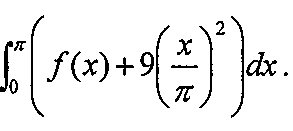
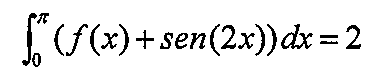 , assinale a alternativa que indica o valor de
What It's Like to Live in the Jungle for a Month
December 10, 2018
Lesley de Souza (Keller Science Action Center)
Our team of Field Museum scientists - experts on fish, plants, amphibians, mammals, and more - traveled to Colombia to join regional and national scientists for a month, with the goal of going deep into the rainforest and documenting as much wildlife as possible. We've done several trips like this, called rapid inventories, in the Amazon basin, but this one felt especially important. We were exploring an area that no scientists had entered for over sixty years because of guerrillas.
Now we're able to venture into this region, but it is also exposed to threats. Deforestation is moving into this area at an alarming rate. With a focused mission, we explore the beautiful landscape and its many diverse critters while working and learning from the people who live there.
But getting into the rainforest - it's no easy feat! After taking a commercial airliner from Chicago, we made our way into the jungle by bush plane, upriver by boat, and lastly, on our own two feet. To get to one campsite, we hiked for a mile in a flooded creek, balancing on floating logs.
Each campsite is a little different, but it's always important to set up a kitchen and dining area! Typical meals include fish, rice, beans, plantains, and oatmeal - repeat, repeat, repeat. A definite bonus of fieldwork life? Brewing fresh hot chocolate from local cacao in the jungle. Plus, lots of coffee keeps us going for long days (and late nights) of collecting and recording data.
You realize what a force nature is - especially during rainy season in the Amazon. That's why I prefer sleeping off the ground in a hammock. At one particular site, I woke up with water below me. The river had risen so much that it flooded the forest. But I also love the breeze being suspended in the air. I'm convinced you sleep better with the swaying...
Of course, we're here to work. That means finding, measuring, photographing, identifying, and in some cases, collecting specimens. I focus on Neotropical fish species, and I learn A LOT from talking to local people about fishes. It is an important part of their diet and the economy. Because they're fishermen themselves, they have firsthand knowledge of things like fish behavior, where and when to find them, and how to catch them. It's such important information when trying to understand the landscape, people, and fishes for conservation.
At the end of each day, we have seen, collected and photographed so many specimens. But there is still more work to do at night - which means working by candlelight or putting on our headlamps. Some groups stay up until one in the morning, like the botany team pressing plants. The reptile & amphibian and fish teams go out for their night survey, and the mammal team sets up mist nets to catch bats! It's activity around the clock for a rapid inventory team.
At the end of the day, we may be exhausted, but it really is a privilege to set foot in these natural areas and learn from the local people and scientists. On this trip alone, we documented 750 species of plants and 686 species of vertebrates! And we estimate there are more than double these numbers in the area. The more we know about what lives in rich natural areas like the Amazon rainforest, the easier it is for us to work together to protect the landscapes where they live and the people who depend on them.
(Adapted from https://www.fieldmuseum.org/blog)
The word “creek” in the sentence “To get to one campsite, we hiked for a mile in a flooded creek, balancing on floating logs.” (para. 3) means:Resolução comentada
Análise das alternativas
What It's Like to Live in the Jungle for a Month
December 10, 2018
Lesley de Souza (Keller Science Action Center)
Our team of Field Museum scientists - experts on fish, plants, amphibians, mammals, and more - traveled to Colombia to join regional and national scientists for a month, with the goal of going deep into the rainforest and documenting as much wildlife as possible. We've done several trips like this, called rapid inventories, in the Amazon basin, but this one felt especially important. We were exploring an area that no scientists had entered for over sixty years because of guerrillas.
Now we're able to venture into this region, but it is also exposed to threats. Deforestation is moving into this area at an alarming rate. With a focused mission, we explore the beautiful landscape and its many diverse critters while working and learning from the people who live there.
But getting into the rainforest - it's no easy feat! After taking a commercial airliner from Chicago, we made our way into the jungle by bush plane, upriver by boat, and lastly, on our own two feet. To get to one campsite, we hiked for a mile in a flooded creek, balancing on floating logs.
Each campsite is a little different, but it's always important to set up a kitchen and dining area! Typical meals include fish, rice, beans, plantains, and oatmeal - repeat, repeat, repeat. A definite bonus of fieldwork life? Brewing fresh hot chocolate from local cacao in the jungle. Plus, lots of coffee keeps us going for long days (and late nights) of collecting and recording data.
You realize what a force nature is - especially during rainy season in the Amazon. That's why I prefer sleeping off the ground in a hammock. At one particular site, I woke up with water below me. The river had risen so much that it flooded the forest. But I also love the breeze being suspended in the air. I'm convinced you sleep better with the swaying...
Of course, we're here to work. That means finding, measuring, photographing, identifying, and in some cases, collecting specimens. I focus on Neotropical fish species, and I learn A LOT from talking to local people about fishes. It is an important part of their diet and the economy. Because they're fishermen themselves, they have firsthand knowledge of things like fish behavior, where and when to find them, and how to catch them. It's such important information when trying to understand the landscape, people, and fishes for conservation.
At the end of each day, we have seen, collected and photographed so many specimens. But there is still more work to do at night - which means working by candlelight or putting on our headlamps. Some groups stay up until one in the morning, like the botany team pressing plants. The reptile & amphibian and fish teams go out for their night survey, and the mammal team sets up mist nets to catch bats! It's activity around the clock for a rapid inventory team.
At the end of the day, we may be exhausted, but it really is a privilege to set foot in these natural areas and learn from the local people and scientists. On this trip alone, we documented 750 species of plants and 686 species of vertebrates! And we estimate there are more than double these numbers in the area. The more we know about what lives in rich natural areas like the Amazon rainforest, the easier it is for us to work together to protect the landscapes where they live and the people who depend on them.
(Adapted from https://www.fieldmuseum.org/blog)
The author does research on:Resolução comentada
Análise das alternativas
What It's Like to Live in the Jungle for a Month
December 10, 2018
Lesley de Souza (Keller Science Action Center)
Our team of Field Museum scientists - experts on fish, plants, amphibians, mammals, and more - traveled to Colombia to join regional and national scientists for a month, with the goal of going deep into the rainforest and documenting as much wildlife as possible. We've done several trips like this, called rapid inventories, in the Amazon basin, but this one felt especially important. We were exploring an area that no scientists had entered for over sixty years because of guerrillas.
Now we're able to venture into this region, but it is also exposed to threats. Deforestation is moving into this area at an alarming rate. With a focused mission, we explore the beautiful landscape and its many diverse critters while working and learning from the people who live there.
But getting into the rainforest - it's no easy feat! After taking a commercial airliner from Chicago, we made our way into the jungle by bush plane, upriver by boat, and lastly, on our own two feet. To get to one campsite, we hiked for a mile in a flooded creek, balancing on floating logs.
Each campsite is a little different, but it's always important to set up a kitchen and dining area! Typical meals include fish, rice, beans, plantains, and oatmeal - repeat, repeat, repeat. A definite bonus of fieldwork life? Brewing fresh hot chocolate from local cacao in the jungle. Plus, lots of coffee keeps us going for long days (and late nights) of collecting and recording data.
You realize what a force nature is - especially during rainy season in the Amazon. That's why I prefer sleeping off the ground in a hammock. At one particular site, I woke up with water below me. The river had risen so much that it flooded the forest. But I also love the breeze being suspended in the air. I'm convinced you sleep better with the swaying...
Of course, we're here to work. That means finding, measuring, photographing, identifying, and in some cases, collecting specimens. I focus on Neotropical fish species, and I learn A LOT from talking to local people about fishes. It is an important part of their diet and the economy. Because they're fishermen themselves, they have firsthand knowledge of things like fish behavior, where and when to find them, and how to catch them. It's such important information when trying to understand the landscape, people, and fishes for conservation.
At the end of each day, we have seen, collected and photographed so many specimens. But there is still more work to do at night - which means working by candlelight or putting on our headlamps. Some groups stay up until one in the morning, like the botany team pressing plants. The reptile & amphibian and fish teams go out for their night survey, and the mammal team sets up mist nets to catch bats! It's activity around the clock for a rapid inventory team.
At the end of the day, we may be exhausted, but it really is a privilege to set foot in these natural areas and learn from the local people and scientists. On this trip alone, we documented 750 species of plants and 686 species of vertebrates! And we estimate there are more than double these numbers in the area. The more we know about what lives in rich natural areas like the Amazon rainforest, the easier it is for us to work together to protect the landscapes where they live and the people who depend on them.
(Adapted from https://www.fieldmuseum.org/blog)
Decide if the statements below are true (T) or false (F) according to the text. Then choose the option that contains the correct sequence.
( ) The text is about a leisure trip.
( ) They spent more than twenty days in Colombia.
( ) Their journey into the forest was hard.
( ) In the forest, the author sleeps better on the ground.
( ) They documented less than six hundred species of animals during the trip.Resolução comentada
Análise das alternativas
Brazilian Navy releases new 20-year plan
By Victor Barreira
The Brazilian Navy is looking to acquire medium-sized general-purpose helicopters and attack, anti-submarine (ASW) and reconnaissance helicopters, according to the recently released Brazilian Navy latest Strategic Plan (Plano Estratégico da Marinha 2040/PEM 2040).
The Plan, which was publicly released on 10 September, calls for a host of other new measures to be implemented over the next 20 years. For example, the Navy wants to significantly increase research-and-development (R&D) to develop shipboard systems such as communications, detection, navigation, and electronic warfare. The R&D increases are also meant to help boost the country's Defence Technological and Industrial Base (DTIB).
The Navy also wants to achieve a minimum of 65% of ships and aircraft operational availability, create a cyber-warfare squadron, and bolster its satellite ability to intercept maritime communications.
According to the Plan, the Navy is now going to focus more heavily on operations in the Southern Atlantic Ocean, paying particular attention to threats such as piracy, illegal fishing, organised crime, urban conflicts, natural resources dispute, cyber warfare, terrorism, illegal access to knowledge, the pandemics, natural disasters, and environmental issues.
The document, which does not describe exact schedules, also covers a range of modernisation projects that were previously planned or initiated, but not yet effectively implemented or concluded. These include the acquisition of vessels (mine-hunting ships, escort ships, aircraft carriers, a logistics support ship, coastal and offshore patrol ships, Antarctic support ship, training ships, and survey ships), unmanned aerial vehicles (UAVs), fighter jets, and lightweight training and utility helicopters. In addition, the Plan aims at the enlargement and modernisation of equipment used by the Marines Corps, the development of anti-ship missiles, and the local construction of the country's first nuclear-powered submarine SN Álvaro Alberto.
(Adapted from https://www.janes.com/)
According to the text, which option is correct?Resolução comentada
Análise das alternativas
Sleeping longer than 6.5 hours a night associated with cognitive decline according to research - what's really going on here?
November 5, 2021
A good night's sleep is important for many reasons. It helps our body repair itself and function as it should, and is linked to better mental health and lower risk of many health conditions - including heart disease and diabetes. It has also been shown that not getting enough sleep is linked to cognitive decline and conditions such as Alzheimer's disease.
However, more is not always better, as one recent study found. Researchers from the Washington University School of Medicine have published a paper that indicates that just like getting too little sleep, sleeping too much may also be linked with cognitive decline.
The research team wanted to know how much sleep was linked to cognitive impairment over time. To do this, they looked at 100 older adults in their mid-to-late-70s, and tracked them for between four and five years. At the time of their study, 88 people did not show any signs of dementia, while 12 showed signs of cognitive impairment (one with mild dementia and 11 with the pre-dementia stage of mild cognitive impairment).
Throughout the study, participants were asked to complete a range of commonplace cognitive and neuropsychological tests to look for signs of cognitive decline or dementia. Their scores from these tests were then combined into a single score, called the Preclinical Alzheimer Cognitive Composite (PACC) score. The higher the score, the better their cognition was over time.
Sleep was measured using a single-electrode encephalography (EEG) device, which participants wore on their forehead while sleeping, for a total of between four to six nights. This was done once, three years after people first completed their annual cognitive tests. This EEG allowed the researchers to accurately measure brain activity, which would tell them whether someone was asleep (and for how long), and how restful that sleep was.
Sleep was only measured at one period during the study, but this still gave the research team a good indication of participants' normal sleep habits. While using an EEG to measure brain activity may be somewhat disruptive to sleep on the first night, as people get used to the equipment, sleep tends to return to normal the following night. This means that when sleep is tracked from the second night onwards, it is a good representation of a person's normal sleep habits.
The researchers also took into account other factors that can affect cognitive decline - including age, genetics and whether a person had signs of the protein beta-amyloid or tau, which are both linked to dementia.
Overall, the researchers found that sleeping less than 4.5 hours and more than 6.5 hours a night - alongside poor quality sleep - was associated with cognitive decline over time. Interestingly, the impact of sleep duration on cognitive function was similar to the effect of age, which is the greatest risk factor for developing cognitive decline.
(Adapted from https://theconversation.com/)
Decide if the statements below are true (T) or false (F) according to the text. Then choose the option that contains the correct sequence.
( ) The study aimed at finding out how much sleep in a year could cause dementia.
( ) People who were 70 years old were not included in the group of 100 older adults.
( ) Less than 15% of the subjects already had some level of cognitive decline.
( ) Cognition tests were administered before the subjects' sleep patterns were tracked.
( ) The team concluded that the amount and the quality of sleep are linked to cognition.Resolução comentada
Análise das alternativas
Sleeping longer than 6.5 hours a night associated with cognitive decline according to research - what's really going on here?
November 5, 2021
A good night's sleep is important for many reasons. It helps our body repair itself and function as it should, and is linked to better mental health and lower risk of many health conditions - including heart disease and diabetes. It has also been shown that not getting enough sleep is linked to cognitive decline and conditions such as Alzheimer's disease.
However, more is not always better, as one recent study found. Researchers from the Washington University School of Medicine have published a paper that indicates that just like getting too little sleep, sleeping too much may also be linked with cognitive decline.
The research team wanted to know how much sleep was linked to cognitive impairment over time. To do this, they looked at 100 older adults in their mid-to-late-70s, and tracked them for between four and five years. At the time of their study, 88 people did not show any signs of dementia, while 12 showed signs of cognitive impairment (one with mild dementia and 11 with the pre-dementia stage of mild cognitive impairment).
Throughout the study, participants were asked to complete a range of commonplace cognitive and neuropsychological tests to look for signs of cognitive decline or dementia. Their scores from these tests were then combined into a single score, called the Preclinical Alzheimer Cognitive Composite (PACC) score. The higher the score, the better their cognition was over time.
Sleep was measured using a single-electrode encephalography (EEG) device, which participants wore on their forehead while sleeping, for a total of between four to six nights. This was done once, three years after people first completed their annual cognitive tests. This EEG allowed the researchers to accurately measure brain activity, which would tell them whether someone was asleep (and for how long), and how restful that sleep was.
Sleep was only measured at one period during the study, but this still gave the research team a good indication of participants' normal sleep habits. While using an EEG to measure brain activity may be somewhat disruptive to sleep on the first night, as people get used to the equipment, sleep tends to return to normal the following night. This means that when sleep is tracked from the second night onwards, it is a good representation of a person's normal sleep habits.
The researchers also took into account other factors that can affect cognitive decline - including age, genetics and whether a person had signs of the protein beta-amyloid or tau, which are both linked to dementia.
Overall, the researchers found that sleeping less than 4.5 hours and more than 6.5 hours a night - alongside poor quality sleep - was associated with cognitive decline over time. Interestingly, the impact of sleep duration on cognitive function was similar to the effect of age, which is the greatest risk factor for developing cognitive decline.
(Adapted from https://theconversation.com/)
What element does the pronoun “which” refer to in the sentence “Interestingly, the impact of sleep duration on cognitive function was similar to the effect of age, which is the greatest risk factor for developing cognitive decline.” (para. 8)?Resolução comentada
Análise das alternativas
Not everyone is cut out for traveling or being away from ______ home for ______ long period of time, and that's perfectly fine! As someone with ______ younger brother still in high school, I personally chose to attend college at ______ university ______ hour away from my hometown.
(Adapted from https://www.collegeraptor.com/)
Now mark the option that completes the paragraph correctly.Resolução comentada
Análise das alternativas
Bill Gregg never suspected that he would solve a 67-year-old mystery when he began digging a place for a pool. It was the middle of July when he started the excavation. He found a ring and set out to locate its owner.
"I can't believe that he took the time to find me," said Mrs. Gardner, who is 85 years old.
Having already planned a trip back to the area to meet Gregg, Mrs. Gardner ______________ the ring in person.
(Adapted from https://www.sharonherald.com)Resolução comentada
Análise das alternativas
Drone saves missing 65-year-old climber in the Himalayas
Daniel Van Boom
July 18, 2018
Scottish climber Rick Allen ______ a drone after he had fallen during a solo climb of Broad Peak mountain in the Himalayas. Allen's climbing bag ______ a base camp worker, prompting the drone ______ to successfully locate him. Then, Rick Allen ______ without significant injury.
(Adapted from https://www.cnet.com)Resolução comentada
Análise das alternativas
Listen to this advice. ______ your toothache, joint pains, headache or cough in your lungs, for example. Some small issues may turn into a complicated situation as you start getting old, so ______ an appointment from your doctor and ______ diagnosed.
(Adapted from https://www.eatthis.com/)Resolução comentada
Análise das alternativas
Dr. How Hoong Au: Learning Mandarin at 75
Dr. How Hoong Au ______ born in Malaysia to parents from mainland China. His family ______ it would be better for him to learn in English than Mandarin or Cantonese. That ______ Au without much knowledge of any Chinese language.
At the age of 75, Au now attends the Toronto Mandarin School alongside his grandchildren, who ______ the language as well.
(Adapted from https://www.cbc.ca)Resolução comentada
Análise das alternativas
McLaren rue difficult day
Anna Francis
November 6, 2021
McLaren admit they have ______ work to do after enduring a difficult start to their Mexican Grand Prix weekend.
Daniel Ricciardo and Lando Norris ended up in 14th and 15th respectively on the Free Practice 1 timesheets, whilst Free Practice 2 brought further issues.
"These things happen, and we'll just have to get into it tomorrow. We don't have ______ time to waste so we'll get amongst it. We've got ______ challenges ahead but we'll be alright. We got ______ information from Lando today to be able to pick it up tomorrow," said Ricciardo.
(Adapted from https://racingnews365.com)Resolução comentada
Análise das alternativas
Aging is inevitable and yet it's hard ______ it's happening. Inside, you feel like you're 24 years old still, wanting ______ the most of life, maybe even more so now that you know there are more years behind you than ahead of you. And yet, no one told your body. It's not the same as it used ______. Acknowledging this can ______ your life. You just need ______ a few habits. [...] Start by ______ yourself [...] 'What do I want?' That answer will drive every decision you make.
(Adapted from https://www.eatthis.com)Resolução comentada
Análise das alternativas
TAMPA, Fla. - A Lutz man is now a millionaire after nearly ______ gas and buying a scratch-off ticket at a gas station in Tampa when he stopped to ______, according to the Florida Lottery.
Feras Al Younes, 48, won the top prize and chose to take his winnings as a one-time payment.
"I was standing at the pumps when I suddenly realized I was holding a $2 million winning ticket! I was so excited that I left before my tank was full!" Al Younes said.
(Adapted from https://www.abcactionnews.com)Resolução comentada
Análise das alternativas
"Age-related macular degeneration (AMD) is the leading cause of blindness in people over the age of 50 in the United States. [...]. It's important ______ regularly to proactively protect your vision."
(Adapted from https://www.eatthis.com)Resolução comentada
Análise das alternativas
______ I went to Georgetown University on October 9, 2003, to interview Dr. James Alatis, I have to admit that I was nervous. ______ I had met him previously at an international convention (a mutual friend introduced us), I was sure that he wouldn't remember me.
(Adapted from ANCKER, William P. A call to service. English Teaching Forum. v. 50, n. 1, p.18-19, 2012.)Resolução comentada
Análise das alternativas
You had a dog when you were a kid, _____?Resolução comentada
Análise das alternativas
"I want to have an animal," Rick said futilely, and gestured empty-handed.
______ Deckard replied.
(Adapted from DICK, Philip K. Do androids dream of electric sheep? 1968, p. 7)Resolução comentada
Análise das alternativas
Uma perpendicular de comprimento p é traçada do pé da altura de uma pirâmide regular SABC até uma aresta lateral (SC, SB ou SA). Assinale a opção que apresenta o volume da pirâmide SABC se o ângulo entre suas faces é 2a.
Sabendo que
Texto-base:
Texto-base:
Texto-base:
Texto-base:
Texto-base:
Texto-base:
Read the paragraph below. Complete the sentences with a, an, the or ∅ (no article).
Mark the option that completes the text below correctly.
Choose the correct option to complete the text below.
Which option completes the paragraph below correctly?
Which option completes the text below correctly?
Which option completes the text below correctly?
Which is the correct option to complete the paragraph below?
Which is the correct option to complete the text below?
Which is the correct option to complete the paragraph below?
Which option completes the paragraph below correctly?
Which option completes the sentence below correctly?
Which option completes the dialogue below correctly?