← Voltar para a lista de provas Marinha do Brasil — Escola Naval · Admissão à Escola Naval (CPAEN) 40 questões nesta prova · página 2 de 2 · 38 com gabarito Gabarito disponível Gabarito disponível Escrevendo os logaritmos em função de log2, log3 e log5, obtém-se (2ab+2a−1)/(ab+b+1). Sejam x=log2, y=log3 e z=log5. Então a=(x+y+z)/(x+y) e b=(3x+y)/(y+z). Resolvendo, z=(a−1)(x+y) e x=(x+y)(ab−1)/(b+2). Daí log₁₂60=(2x+y+z)/(2x+y)=(2ab+2a−1)/(ab+b+1). As demais expressões não resultam dessa mudança de base. Só a B é igual a (2x+y+z)/(2x+y) quando se substituem a e b. Referência: Propriedades de logaritmos e mudança de base. Resolução comentada do VaiConcursos. Gabarito disponível 'Such underwater dangers' retoma os riscos de a corda enganchar em rochas, redes ou contêineres. No parágrafo 6, a corda prende em rochas, redes de pesca ou contêineres e os dados vão para o fundo. 'Such underwater dangers' (parágrafo 7) retoma exatamente esses perigos, e por isso a resposta é C. A) e B) Tratam do que se mede (variáveis oceanográficas), não de perigos. D) e E) O texto não menciona efeitos dos vórtices sobre sensores ou navios como perigos. Referência: Texto I, parágrafos 6 e 7. Resolução comentada do VaiConcursos. Gabarito disponível Bannasch indicou o pinguim por causa do formato aerodinâmico, ideal para medições em alta velocidade. No parágrafo 9, Bannasch diz que os pinguins têm formato aerodinâmico ótimo e que isso é ideal para as medições em alta velocidade que Baschek buscava. Por isso a alternativa B está correta. A) O texto não diz que Baschek tinha dificuldade para encontrar animais. C) O objetivo era construir um robô, não encontrar animais rápidos. D) Os estudos de Bannasch são sobre navegação e comunicação sem fio submarinas, e ele não criou 'criaturas'. E) Nada no texto fala de pinguins desatando cordas. Referência: Texto I, parágrafos 8 e 9. Resolução comentada do VaiConcursos. Gabarito disponível Os redemoinhos duram em média 12 horas, menos de um dia. O parágrafo 5 diz que têm vida média de 12 horas, ou seja, normalmente duram menos de um dia. A e C contradizem o texto, que fala em dificuldade de medir e observar. B é falsa, pois alguns têm só 10 m. D contradiz as 12 horas. Referência: Texto I, parágrafo 5. Resolução comentada do VaiConcursos. Gabarito disponível O texto afirma que os redemoinhos sempre foram difíceis de estudar. O parágrafo 4 diz que são correntes que outros métodos têm dificuldade de capturar, e o parágrafo 5 diz que são pouco compreendidos, pequenos, de vida curta e com poucas medições. Logo, estudá-los sempre foi difícil. A contradiz o texto. C é falsa, pois o robô só imita o pinguim. D confunde o pinguim real com o robô-pinguim. E distorce o parágrafo 3: o equipamento afundou antes, não enquanto observavam pinguins. Referência: Texto I, parágrafos 4, 5 e 6. Resolução comentada do VaiConcursos. Gabarito disponível Verdadeiro/falso conforme o parágrafo 4, 5, 8 e 14. 1) F: o texto diz que a plastisfera é única, inventada por humanos. 2) F: atmosfera, magnetosfera e hidrosfera são só comparações. 3) V: o termo abrange caranguejos e águas-vivas que flutuam sobre plásticos. 4) F: as bactérias se adaptaram a um 'surface-attached lifestyle'. 5) V: Wright acredita que os micróbios em plásticos são o lugar-chave para combater o plástico. Sequência: F, F, V, F, V. A, B, C e E contêm ao menos uma afirmativa marcada incorretamente, por exemplo tratar a plastisfera como igual aos outros ecossistemas ou dizer que as bactérias não se adaptaram. Referência: Texto II, parágrafos 4, 5, 8, 13 e 14. Resolução comentada do VaiConcursos. Gabarito disponível 'Concern' no contexto significa preocupação. No trecho, 'a less obvious concern than its potential health dangers' trata de algo que preocupa os cientistas. Concern = worry. Characteristic (característica), advantage (vantagem), easiness (facilidade) e secret (segredo) não cabem no sentido de algo que gera preocupação. Referência: Vocabulário em contexto. Resolução comentada do VaiConcursos. Gabarito disponível Gabarito disponível Depois de 'make' (causativo) usa-se infinitivo sem 'to'. 'My aunt makes her children wake up early' seria o correto. A alternativa C usa 'to wake' e está incorreta. A: remember + to indica ação futura a fazer. B: try + -ing é experimentar. D: stop + -ing é parar de fazer. E: forget + -ing refere-se a memória passada. Todas corretas. Referência: Padrões verbais; make + objeto + infinitivo sem to. Resolução comentada do VaiConcursos. Gabarito disponível Dedução é expressa por must (certeza lógica). 'She has been driving all day. She must be tired' conclui logicamente, a partir de uma evidência, que ela está cansada: dedução. A expressa habilidade. B, permissão. C, habilidade no passado. D, pedido educado. Referência: Verbos modais: dedução com must. Resolução comentada do VaiConcursos. Gabarito disponível Question tag deve ecoar o auxiliar e o sujeito da oração, com polaridade invertida. 'The match will start in ten minutes, won't it?' usa o auxiliar will, polaridade oposta e o pronome it correspondente a 'the match'. A: past simple pede 'didn't they'. B: 'made' pede 'didn't you'. C: 'are' pede 'aren't we'. E: oração negativa pede tag afirmativa 'have they' (guests = they). Referência: Question tags. Resolução comentada do VaiConcursos. Gabarito disponível Discurso indireto de imperativo negativo: told + objeto + not to + verbo. A ordem 'don't close the door' vira 'I told you not to close the door'. B não tem objeto após 'told' e usa 'to not' de forma inadequada. C usa 'say' no presente e muda o sentido. D usa 'didn't close' (afirmação, não ordem). E tem estrutura 'said that you to not close', agramatical. Referência: Reported speech: imperativos. Resolução comentada do VaiConcursos. Gabarito disponível Gabarito disponível Uso de a/an/the na sequência do diálogo. Sequência correta: a sail boat; not an old sail boat; in great condition (sem artigo); a lot of; the first sail boat (ordinal); a different one; the fastest; in the world; at the Boats For All? Na gabarito oficial a sequência é 'a / an / - / a / the / a / the / the / - / an'. 'An appointment' fecha o diálogo. As demais sequências erram em pontos claros: 'a lot' exige 'a', o ordinal 'first' e o superlativo 'fastest' exigem 'the', e 'appointment' exige 'an'. Referência: Artigos definidos, indefinidos e ausência de artigo. Resolução comentada do VaiConcursos. Gabarito disponível Demonstrativos e possessivos coerentes com o contexto de posse. 'The law of this country states that these jewels belong to your family. Take them. They are yours.' 'This' vai com country singular, 'these' com jewels plural, 'your' é adjetivo possessivo antes de substantivo, 'them' é objeto, 'They' é sujeito plural e 'yours' é pronome possessivo sem substantivo. A, B, D e E usam concordância errada (that/those com 'jewels', 'it' para plural, 'Its are') ou trocam your/yours, que têm funções distintas. Referência: Demonstrativos; adjetivos e pronomes possessivos. Resolução comentada do VaiConcursos. Gabarito disponível Apenas a alternativa E está gramaticalmente correta. 'In the past, maritime nations began to realize that accidents at sea were preventable' tem concordância e tempos verbais corretos. A: 'design' é singular, então deveria ser 'is called'. B: 'may been' deveria ser 'may have been'. C: 'can being' deveria ser 'can be'. D: 'was builded' deveria ser 'were built'. Referência: Concordância verbal, modais e voz passiva. Resolução comentada do VaiConcursos. Gabarito disponível Segunda condicional: If + past simple, would + infinitivo. 'If I were you, I'd buy a new car' é a estrutura correta do conselho hipotético, com were para todas as pessoas no subjuntivo. B inverte e combina mal os tempos (I'd bought... if I'd be). C mistura presente e passado. D usa 'I'd bought' no resultado, errado. E mistura futuro com past perfect. Referência: Second conditional. Resolução comentada do VaiConcursos. Gabarito disponível Narrativa no passado: past simple e could smell. Todo o trecho está no passado: 'Everyone was in a good mood when they began their drive'. Segue 'It was a beautiful July evening, and they could smell the pine trees as they drove'. A sequência é was / began / was / could smell / drove. A usa 'can smell' (presente) e 'driven' (particípio). C usa 'begun' sem auxiliar. D tem 'can smell' e 'driven'. E usa 'were' com 'Everyone' e 'drive' no presente. Referência: Past simple; modal could como passado de can. Resolução comentada do VaiConcursos. Gabarito disponível Pergunta sobre quantidade de elementos contáveis exige 'How many'. 'Different kinds of trees' é um plural contável, e o texto fala em 16.000 espécies. A pergunta correta é 'How many different kinds of trees grow in the Amazon?'. How long pergunta duração ou comprimento. When pergunta tempo. How much é para incontáveis. Where pergunta lugar. Referência: Pronomes interrogativos: how many + substantivo contável plural. Resolução comentada do VaiConcursos.Marinha do Brasil — CPAEN 2023 (Concurso Público de Admissão à Escola Naval) — 1º Dia — Prova de Matemática e Inglês — Prova Amarela
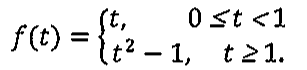 Assinale a opção que apresenta o valor de F(3)
Resolução comentada
Análise das alternativas
TEXT I
Read the text below and answer questions 23 to 26.
Robo-penguin: how artificial birds are relaying the secrets of ocean currents
[1] If it looks like a penguin and swims like a penguin - but it's actually a robot - then it must be the latest advance in marine sensory equipment.
[2] The Quadroin is an autonomous underwater vehicle (AUV): a 3D-printed self-propelled machine designed to mimic a penguin in order to measure the properties of oceanic eddies.
[3] It was developed by Burkard Baschek while head of Germany's Institute of Coastal Ocean Dynamics at the Helmholtz Centre Hereon after he watched more than $20,000 of his equipment sink to the bottom of the Pacific Ocean.
[4] Eddies are small ocean currents that other research methods have struggled to capture. They influence all the animals and plants in the seas as well as the Earth's climate, driving roughly 50% of all phytoplankton production. The base of the marine food chain, phytoplankton and other marine plants such as kelp and algal plankton also produce up to 70% of atmospheric oxygen.
[5] Despite their significance, eddies are poorly understood within the scientific community because they are small; some are just 10 metres across, and they have an average lifespan of 12 hours, posing a huge challenge for ocean observations. Few detailed measurements even exist.
[6] Baschek first developed a device with about 20 sensors attached to a rope, to be towed behind a ship to measure key oceanographic variables in the eddies - such as temperature, salinity, pressure, chlorophyll and oxygen. But the rope would catch on rocks, fishing nets or containers - sending all the data to the seabed.
[7] “The only way to avoid such underwater dangers was to develop a device which can do these measurements without being tied to a rope,” says Baschek.
[8] The solution came from Rudolf Bannasch and his team at the Berlin-based company EvoLogics, which specialises in bionics based on natural evolution. Bannasch knew exactly what Baschek needed: a penguin.
[9] “Penguins provide a shape with optimal aerodynamic characteristics,” says Bannasch. His studies in wireless underwater navigation and communication systems suggest that penguins are 20% to 30% more aerodynamic than anything designed in a laboratory, ideal for the high-speed measurements Baschek sought.
[10] In April, the first Quadroin prototype - the name derives from “quadro”, after the four propellers that move the AUV, and “penguin” - had its maiden voyage in a lake near Berlin. It has a maximum speed of eight knots (9.2 mph) and uses the same sensors that used to be towed on a rope. The Quadroin, however, can float freely through the water, avoiding obstructions, to depths of 150 metres.
[11] One element in the study of eddies that has worried scientists is that they need to be measured in multiple locations simultaneously. Bannasch and his colleagues are working to create two more artificial penguins that would swim in unison and communicate with each other.
[12] “We developed the first singing underwater modems so that the Quadroins will be able to send and receive chirping signals similar to those of dolphins,” says Bannasch.
[13] As for losing them to the bottom of the ocean, the artificial penguins have a final trick that also mimics their real-life counterparts: if the electronics fail and the sensors go dark, they float.
(Adapted from: https://www.theguardian.com)
The word “such” in the sentence “The only way to avoid such underwater dangers (...)” (paragraph 7) refers to:Resolução comentada
Análise das alternativas
TEXT I
Read the text below and answer questions 23 to 26.
Robo-penguin: how artificial birds are relaying the secrets of ocean currents
[1] If it looks like a penguin and swims like a penguin - but it's actually a robot - then it must be the latest advance in marine sensory equipment.
[2] The Quadroin is an autonomous underwater vehicle (AUV): a 3D-printed self-propelled machine designed to mimic a penguin in order to measure the properties of oceanic eddies.
[3] It was developed by Burkard Baschek while head of Germany's Institute of Coastal Ocean Dynamics at the Helmholtz Centre Hereon after he watched more than $20,000 of his equipment sink to the bottom of the Pacific Ocean.
[4] Eddies are small ocean currents that other research methods have struggled to capture. They influence all the animals and plants in the seas as well as the Earth's climate, driving roughly 50% of all phytoplankton production. The base of the marine food chain, phytoplankton and other marine plants such as kelp and algal plankton also produce up to 70% of atmospheric oxygen.
[5] Despite their significance, eddies are poorly understood within the scientific community because they are small; some are just 10 metres across, and they have an average lifespan of 12 hours, posing a huge challenge for ocean observations. Few detailed measurements even exist.
[6] Baschek first developed a device with about 20 sensors attached to a rope, to be towed behind a ship to measure key oceanographic variables in the eddies - such as temperature, salinity, pressure, chlorophyll and oxygen. But the rope would catch on rocks, fishing nets or containers - sending all the data to the seabed.
[7] “The only way to avoid such underwater dangers was to develop a device which can do these measurements without being tied to a rope,” says Baschek.
[8] The solution came from Rudolf Bannasch and his team at the Berlin-based company EvoLogics, which specialises in bionics based on natural evolution. Bannasch knew exactly what Baschek needed: a penguin.
[9] “Penguins provide a shape with optimal aerodynamic characteristics,” says Bannasch. His studies in wireless underwater navigation and communication systems suggest that penguins are 20% to 30% more aerodynamic than anything designed in a laboratory, ideal for the high-speed measurements Baschek sought.
[10] In April, the first Quadroin prototype - the name derives from “quadro”, after the four propellers that move the AUV, and “penguin” - had its maiden voyage in a lake near Berlin. It has a maximum speed of eight knots (9.2 mph) and uses the same sensors that used to be towed on a rope. The Quadroin, however, can float freely through the water, avoiding obstructions, to depths of 150 metres.
[11] One element in the study of eddies that has worried scientists is that they need to be measured in multiple locations simultaneously. Bannasch and his colleagues are working to create two more artificial penguins that would swim in unison and communicate with each other.
[12] “We developed the first singing underwater modems so that the Quadroins will be able to send and receive chirping signals similar to those of dolphins,” says Bannasch.
[13] As for losing them to the bottom of the ocean, the artificial penguins have a final trick that also mimics their real-life counterparts: if the electronics fail and the sensors go dark, they float.
(Adapted from: https://www.theguardian.com)
Bannasch knew that Baschek needed a penguin because:Resolução comentada
Análise das alternativas
TEXT I
Read the text below and answer questions 23 to 26.
Robo-penguin: how artificial birds are relaying the secrets of ocean currents
[1] If it looks like a penguin and swims like a penguin - but it's actually a robot - then it must be the latest advance in marine sensory equipment.
[2] The Quadroin is an autonomous underwater vehicle (AUV): a 3D-printed self-propelled machine designed to mimic a penguin in order to measure the properties of oceanic eddies.
[3] It was developed by Burkard Baschek while head of Germany's Institute of Coastal Ocean Dynamics at the Helmholtz Centre Hereon after he watched more than $20,000 of his equipment sink to the bottom of the Pacific Ocean.
[4] Eddies are small ocean currents that other research methods have struggled to capture. They influence all the animals and plants in the seas as well as the Earth's climate, driving roughly 50% of all phytoplankton production. The base of the marine food chain, phytoplankton and other marine plants such as kelp and algal plankton also produce up to 70% of atmospheric oxygen.
[5] Despite their significance, eddies are poorly understood within the scientific community because they are small; some are just 10 metres across, and they have an average lifespan of 12 hours, posing a huge challenge for ocean observations. Few detailed measurements even exist.
[6] Baschek first developed a device with about 20 sensors attached to a rope, to be towed behind a ship to measure key oceanographic variables in the eddies - such as temperature, salinity, pressure, chlorophyll and oxygen. But the rope would catch on rocks, fishing nets or containers - sending all the data to the seabed.
[7] “The only way to avoid such underwater dangers was to develop a device which can do these measurements without being tied to a rope,” says Baschek.
[8] The solution came from Rudolf Bannasch and his team at the Berlin-based company EvoLogics, which specialises in bionics based on natural evolution. Bannasch knew exactly what Baschek needed: a penguin.
[9] “Penguins provide a shape with optimal aerodynamic characteristics,” says Bannasch. His studies in wireless underwater navigation and communication systems suggest that penguins are 20% to 30% more aerodynamic than anything designed in a laboratory, ideal for the high-speed measurements Baschek sought.
[10] In April, the first Quadroin prototype - the name derives from “quadro”, after the four propellers that move the AUV, and “penguin” - had its maiden voyage in a lake near Berlin. It has a maximum speed of eight knots (9.2 mph) and uses the same sensors that used to be towed on a rope. The Quadroin, however, can float freely through the water, avoiding obstructions, to depths of 150 metres.
[11] One element in the study of eddies that has worried scientists is that they need to be measured in multiple locations simultaneously. Bannasch and his colleagues are working to create two more artificial penguins that would swim in unison and communicate with each other.
[12] “We developed the first singing underwater modems so that the Quadroins will be able to send and receive chirping signals similar to those of dolphins,” says Bannasch.
[13] As for losing them to the bottom of the ocean, the artificial penguins have a final trick that also mimics their real-life counterparts: if the electronics fail and the sensors go dark, they float.
(Adapted from: https://www.theguardian.com)
The text describes eddies as currents that:Resolução comentada
Análise das alternativas
TEXT I
Read the text below and answer questions 23 to 26.
Robo-penguin: how artificial birds are relaying the secrets of ocean currents
[1] If it looks like a penguin and swims like a penguin - but it's actually a robot - then it must be the latest advance in marine sensory equipment.
[2] The Quadroin is an autonomous underwater vehicle (AUV): a 3D-printed self-propelled machine designed to mimic a penguin in order to measure the properties of oceanic eddies.
[3] It was developed by Burkard Baschek while head of Germany's Institute of Coastal Ocean Dynamics at the Helmholtz Centre Hereon after he watched more than $20,000 of his equipment sink to the bottom of the Pacific Ocean.
[4] Eddies are small ocean currents that other research methods have struggled to capture. They influence all the animals and plants in the seas as well as the Earth's climate, driving roughly 50% of all phytoplankton production. The base of the marine food chain, phytoplankton and other marine plants such as kelp and algal plankton also produce up to 70% of atmospheric oxygen.
[5] Despite their significance, eddies are poorly understood within the scientific community because they are small; some are just 10 metres across, and they have an average lifespan of 12 hours, posing a huge challenge for ocean observations. Few detailed measurements even exist.
[6] Baschek first developed a device with about 20 sensors attached to a rope, to be towed behind a ship to measure key oceanographic variables in the eddies - such as temperature, salinity, pressure, chlorophyll and oxygen. But the rope would catch on rocks, fishing nets or containers - sending all the data to the seabed.
[7] “The only way to avoid such underwater dangers was to develop a device which can do these measurements without being tied to a rope,” says Baschek.
[8] The solution came from Rudolf Bannasch and his team at the Berlin-based company EvoLogics, which specialises in bionics based on natural evolution. Bannasch knew exactly what Baschek needed: a penguin.
[9] “Penguins provide a shape with optimal aerodynamic characteristics,” says Bannasch. His studies in wireless underwater navigation and communication systems suggest that penguins are 20% to 30% more aerodynamic than anything designed in a laboratory, ideal for the high-speed measurements Baschek sought.
[10] In April, the first Quadroin prototype - the name derives from “quadro”, after the four propellers that move the AUV, and “penguin” - had its maiden voyage in a lake near Berlin. It has a maximum speed of eight knots (9.2 mph) and uses the same sensors that used to be towed on a rope. The Quadroin, however, can float freely through the water, avoiding obstructions, to depths of 150 metres.
[11] One element in the study of eddies that has worried scientists is that they need to be measured in multiple locations simultaneously. Bannasch and his colleagues are working to create two more artificial penguins that would swim in unison and communicate with each other.
[12] “We developed the first singing underwater modems so that the Quadroins will be able to send and receive chirping signals similar to those of dolphins,” says Bannasch.
[13] As for losing them to the bottom of the ocean, the artificial penguins have a final trick that also mimics their real-life counterparts: if the electronics fail and the sensors go dark, they float.
(Adapted from: https://www.theguardian.com)
According to the text:Resolução comentada
Análise das alternativas
TEXT II
Read the text below and answer questions 27 and 28.
Welcome to the ‘plastisphere’: the synthetic ecosystem evolving at sea
[1] Plastic bottles dominate waste in the ocean, with an estimated 1m of them reaching the sea every minute. The biggest culprit is polyethylene terephthalate (Pet) bottles.
[2] Last month, a study found two bacteria capable of breaking down Pet - or, as the headlines put it, “eating plastic”. Known as Thioclava sp. BHET1 and Bacillus sp. BHET2, the bacteria were isolated in a laboratory - but they were discovered in the ocean.
[3] The bacteria are the latest example of new organisms that appear to be growing in a unique environment: the vast amounts of plastic at sea.
[4] Like the atmosphere, magnetosphere and hydrosphere, the plastisphere is a region. But it is also an ecosystem, like the Siberian steppe or coral reefs - a plasticised marine environment. The best-known concentration of seaborne plastic waste is the Great Pacific garbage patch, a sort of plastic soup spread over an area roughly twice the size of France, but plastic is everywhere.
[5] First described in a 2013 study to refer to a collective of plastic-colonising organisms, including bacteria and fungi, the term has since expanded. It now loosely encompasses larger organisms, from crabs to jellyfish, which float across oceans on marine plastics. The term was coined by Linda Amaral-Zettler, a marine microbiologist at the Royal Netherlands Institute for Sea Research.
[6] Although the term may be recent, the phenomenon is not. “The plastisphere has been around for as long as plastic has existed,” Amaral-Zettler says.
[7] What is new is our understanding of just how complex an ecosystem the world of plastic can be. In the plastisphere there are organisms that photosynthesise; there are predators and prey; symbionts and parasites, allowing for “a full range of interactions possible, as in other ecosystems”, says Amaral-Zettler.
[8] Another unique feature of the plastisphere is that humans invented it. Every other ecosystem has evolved over millions of years. The meaning of that is not yet clear. Wright believes “it's more an issue of scale” because unlike most naturally occurring materials, plastic is highly durable and persistent, allowing the growth and spread of attached organisms over a massive area.
[9] There are also concerns about plastic-colonising organisms that can travel around the world. Amaral-Zettler's 2013 study discovered Vibrio, a type of bacteria known to contain several species of pathogens, including some associated with gastroenteritis.
[10] For the scientists, the plastisphere's presence is a less obvious concern than its potential health dangers. Most plastic ends up in landfill, but nearly a third of it ends up in the sea. The majority sinks, but a lot does not, becoming a home for all sorts of microbes that might not otherwise have a home.
[11] “At the moment that's still very much an active area of research,” Wright says. There are two main fields of investigation: potential pathogens in the plastisphere, and the potential for some microbes to biodegrade hydrocarbons, such as the plastic-eaters identified last month.
[12] Those are not unique to the ocean. In 2016, scientists in Japan discovered Ideonella sakaiensis, a species of bacteria at a rubbish tip that had evolved an enzyme that enabled it to eat plastic.
[13] But another study in the same year found that, compared with bacteria in the surrounding waters, those in the plastisphere possessed an enriched collection of genes, suggesting that they had adapted for a “surface-attached lifestyle”.
[14] Could the plastisphere evolve in such a way that bacteria would essentially eat it, or at least help us identify ways to break down our plastic waste? “I'd definitely agree that [microbes on] plastics are going to be the key place to look in the fight against plastic,” says Wright.
(Adapted from: https://www.theguardian.com)
Decide if the statements below are true (T) or false (F) according to the text. Then, choose the option that contains the right sequence.
( ) The plastisphere is one more ecosystem in our world and it is similar to all other ecosystems that exist.
( ) The atmosphere, the magnetosphere and the hydrosphere gave origin to the plastisphere.
( ) In addition to bacteria and fungi, some animals can travel to many countries on marine plastics.
( ) The bacteria in the plastisphere can be characterized as a group of bacteria that have not become adapted to living on the surface.
( ) Wright believes that we can combat plastic pollution if we do research on microbes that eat or decompose plastic waste.Resolução comentada
Análise das alternativas
TEXT II
Read the text below and answer questions 27 and 28.
Welcome to the ‘plastisphere’: the synthetic ecosystem evolving at sea
[1] Plastic bottles dominate waste in the ocean, with an estimated 1m of them reaching the sea every minute. The biggest culprit is polyethylene terephthalate (Pet) bottles.
[2] Last month, a study found two bacteria capable of breaking down Pet - or, as the headlines put it, “eating plastic”. Known as Thioclava sp. BHET1 and Bacillus sp. BHET2, the bacteria were isolated in a laboratory - but they were discovered in the ocean.
[3] The bacteria are the latest example of new organisms that appear to be growing in a unique environment: the vast amounts of plastic at sea.
[4] Like the atmosphere, magnetosphere and hydrosphere, the plastisphere is a region. But it is also an ecosystem, like the Siberian steppe or coral reefs - a plasticised marine environment. The best-known concentration of seaborne plastic waste is the Great Pacific garbage patch, a sort of plastic soup spread over an area roughly twice the size of France, but plastic is everywhere.
[5] First described in a 2013 study to refer to a collective of plastic-colonising organisms, including bacteria and fungi, the term has since expanded. It now loosely encompasses larger organisms, from crabs to jellyfish, which float across oceans on marine plastics. The term was coined by Linda Amaral-Zettler, a marine microbiologist at the Royal Netherlands Institute for Sea Research.
[6] Although the term may be recent, the phenomenon is not. “The plastisphere has been around for as long as plastic has existed,” Amaral-Zettler says.
[7] What is new is our understanding of just how complex an ecosystem the world of plastic can be. In the plastisphere there are organisms that photosynthesise; there are predators and prey; symbionts and parasites, allowing for “a full range of interactions possible, as in other ecosystems”, says Amaral-Zettler.
[8] Another unique feature of the plastisphere is that humans invented it. Every other ecosystem has evolved over millions of years. The meaning of that is not yet clear. Wright believes “it's more an issue of scale” because unlike most naturally occurring materials, plastic is highly durable and persistent, allowing the growth and spread of attached organisms over a massive area.
[9] There are also concerns about plastic-colonising organisms that can travel around the world. Amaral-Zettler's 2013 study discovered Vibrio, a type of bacteria known to contain several species of pathogens, including some associated with gastroenteritis.
[10] For the scientists, the plastisphere's presence is a less obvious concern than its potential health dangers. Most plastic ends up in landfill, but nearly a third of it ends up in the sea. The majority sinks, but a lot does not, becoming a home for all sorts of microbes that might not otherwise have a home.
[11] “At the moment that's still very much an active area of research,” Wright says. There are two main fields of investigation: potential pathogens in the plastisphere, and the potential for some microbes to biodegrade hydrocarbons, such as the plastic-eaters identified last month.
[12] Those are not unique to the ocean. In 2016, scientists in Japan discovered Ideonella sakaiensis, a species of bacteria at a rubbish tip that had evolved an enzyme that enabled it to eat plastic.
[13] But another study in the same year found that, compared with bacteria in the surrounding waters, those in the plastisphere possessed an enriched collection of genes, suggesting that they had adapted for a “surface-attached lifestyle”.
[14] Could the plastisphere evolve in such a way that bacteria would essentially eat it, or at least help us identify ways to break down our plastic waste? “I'd definitely agree that [microbes on] plastics are going to be the key place to look in the fight against plastic,” says Wright.
(Adapted from: https://www.theguardian.com)
In the sentence “For the scientists, the plastisphere's presence is a less obvious concern than its potential health dangers.” (paragraph 10), the meaning of the word “concern” is:Resolução comentada
Análise das alternativas

Which option replaces the underlined verb correctly, without changing the meaning of the sentence?Resolução comentada
Análise das alternativas
Resolução comentada
Análise das alternativas
Resolução comentada
Análise das alternativas
John: Peter, don't close the door.
Peter: What did you say?
John: I ______ the door.Resolução comentada
Análise das alternativas
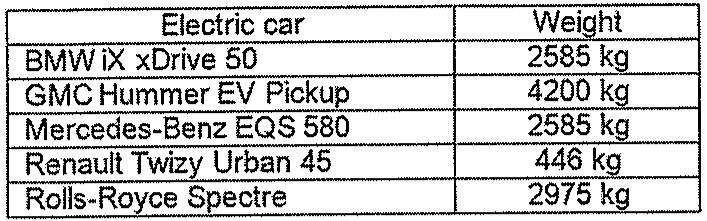
(Adapted from: https://www.myevreview.com)
According to the chart, it is correct to say that:
Tom is selling his sail boat. He advertised it and Jim phoned him to ask for information.
JIM: Hello! I've read your advertisement about ______ sail boat.
TOM: Hi!
JIM: How long have you had it for?
TOM: I've had it for three years. It's not ______ old sail boat. It's in ______ great condition! And it has ______ lot of equipment installed.
JIM: Why do you want to sell it?
TOM: Well, this is ______ first sail boat I've had in my life and now I need ______ different one. It's quite fast but it's not ______ fastest sail boat in ______ world.
JIM: Oh, I see. Where did you buy it?
TOM: I bought it at ______ Boats For All. Would you like to make ______ appointment to see it?
JIM: Sure!Resolução comentada
Análise das alternativas
Lord Canterville: Mr. Otis, the law of ______ country states that ______ jewels belong to ______ family. Take ______. ______ are ______.
(Adapted from: WILDE, Oscar. The Canterville Ghost: The graphic novel. Boston: Heinle, 2011. p.113)Resolução comentada
Análise das alternativas
Resolução comentada
Análise das alternativas
Resolução comentada
Análise das alternativas
Everyone ______ in a good mood when they ______ their drive to Canterville Chase. It ______ a beautiful July evening, and they ______ the pine trees as they ______.
(Adapted from: WILDE, Oscar. The Canterville Ghost: The graphic novel. Boston: Heinle, 2011. p.15)Resolução comentada
Análise das alternativas
______ different kinds of trees grow in the Amazon?
In 2013, Field Museum ecologist Nigel Pitman and fellow scientists estimated that there are 16,000 different trees growing in the Amazon. But confirming that guess meant actually counting all of the known species.
(Adapted from: https://www.fieldmuseum.org/blog)Resolução comentada
Análise das alternativas
Seja F uma função definida por F(x) = ∫₀ˣ f(t)dt, x ≥ 0, onde
Sabendo que o valor de log₆ 30 = a e log₁₅ 24 = b, assinale a opção que apresenta o valor de log₁₂ 60 em função de a e b.
Texto-base:
Texto-base:
Texto-base:
Texto-base:
Texto-base:
Texto-base:
Read the sentence below.
Which option is grammatically INCORRECT?
Which option expresses deduction?
Choose the option that is grammatically correct.
Mark the option that completes the dialogue below correctly.
Look at the chart below.
Complete the gaps in the dialogue with a, an or the. Then, choose the option with the correct sequence. A dash (-) indicates that no article is used.
Which option completes the text correctly?
Choose the option that is grammatically correct.
Which option is grammatically correct?
Which option completes the paragraph below correctly?
Mark the option that completes the question below correctly.