← Voltar para a lista de provas Instituto Tecnológico de Aeronáutica (ITA) · Vestibular — Prova de Inglês 20 questões nesta prova · 20 com gabarito Gabarito disponível Gênero textual do texto jornalístico narrativo. Embora o texto seja uma reportagem do New York Times, entre as alternativas a mais próxima é 'romance biográfico', já que narra a vida de uma pessoa real em terceira pessoa com recursos literários. O gabarito oficial indica C. A) Não é sinopse. B) Não é autobiográfico, pois o narrador não é a protagonista. D) Não é laudo psiquiátrico, que seria técnico e impessoal. E) Não é resenha médica, pois não avalia uma obra. Referência: Texto 'Fraying at the edges', passim. Resolução comentada do VaiConcursos. Gabarito disponível Foco narrativo do texto. O texto é narrado em terceira pessoa por um narrador externo que conta a história de Geri Taylor e reproduz falas dela e do marido, ora em discurso direto (entre aspas), ora em indireto ('She told her husband that...'). Logo, A. B e E) Não há narração em primeira pessoa pela protagonista. C) Não há uma personagem narradora distinta que traga a voz da principal. D) O médico não é o narrador. Referência: Texto 'Fraying at the edges', passim. Resolução comentada do VaiConcursos. Gabarito disponível Compreensão do diagnóstico de Geri Taylor. O neurologista deu o diagnóstico de comprometimento cognitivo leve, 'precursor comum do Alzheimer'. Então D está correta. A) Não há diagnóstico de Alzheimer nem fala de 'nocaute'. B) Foi ela quem confidenciou seus medos e marcou a consulta. C) O teste pedia contagem regressiva de sete em sete, e o diagnóstico não se baseou nisso. E) Não há referência a Jim omitir doenças familiares ao médico. Referência: Texto 'Fraying at the edges', linhas 24-40. Resolução comentada do VaiConcursos. Gabarito disponível Procedimentos pedidos pelo neurologista. O texto cita que ela foi instruída a pegar uma folha de papel, dobrá-la ao meio e colocá-la no chão ao seu lado. Isso corresponde à alternativa C. A) Ela deveria contar de trás para frente a partir de 100, de sete em sete, não de 0 a 100. B) Foram três palavras, não cinco. D) Não houve elaboração de perguntas por ela. E) Ela deveria dizer uma frase específica ('No ifs, ands or buts'), não citar frases populares variadas. Referência: Texto 'Fraying at the edges', linhas 29-37. Resolução comentada do VaiConcursos. Gabarito disponível Causa principal que levou Geri Taylor a buscar diagnóstico. O texto diz que o momento decisivo ('drop-dead moment') foi não reconhecer o próprio rosto no espelho. Depois disso ela confidenciou seus medos ao marido e marcou consulta com o neurologista. Portanto, A. B, C e D são sinais anteriores de problemas (reunião, persiana, metrô), mas ela os escondeu e não procurou ajuda. E) O histórico familiar de Alzheimer é citado apenas como suspeita antiga, não como causa da decisão. Referência: Texto 'Fraying at the edges', linhas 1-28. Resolução comentada do VaiConcursos. Gabarito disponível Gabarito disponível Gabarito disponível Compreensão geral do texto sobre o programa de aceleração. O texto abre dizendo que cinco gestores novatos de fundos de impacto, de Zimbábue, Guatemala e Países Baixos, ensaiam suas apresentações para investidores. Isso corresponde à alternativa A. B) O texto fala em boot camp de quatro semanas, mas não diz que seja eliminatório. C) Não há comparação de importância entre contatos e conhecimento. D) A 'montanha-russa' refere-se ao estilo de vida do investimento em empreendedores iniciantes, não ao panorama econômico dos últimos dez anos. E) O texto diz que o investimento de impacto visa retorno financeiro e social ou ambiental, não obrigatoriamente os três. Referência: Texto Forbes (Lauren Gensler), linhas 1-9 e 28-31. Resolução comentada do VaiConcursos. Gabarito disponível Item incorreto sobre Patrick Makanza. O texto apenas diz que Makanza é pai de quatro filhos e gosta de ternos conservadores e golfe. Nada indica que ele envolva os filhos na gestão de seus empreendimentos, então B é a afirmação incorreta. A) Correta: deixou um cargo confortável em um fundo de private equity para lançar a Vakayi. C) Correta: o fundo fará empréstimos a empresas que não conseguem financiamento bancário adequado. D) Correta: está em Seattle ensaiando a apresentação e as perguntas sobre corrupção e riscos. E) Correta: o fundo apoiará serviços essenciais, como clínica oftalmológica, educação e moradia de baixo custo. Referência: Texto Forbes (Lauren Gensler), linhas 10-27. Resolução comentada do VaiConcursos. Gabarito disponível Gabarito disponível Gabarito disponível Referente do pronome relativo 'whose'. Em 'Capria Accelerator, a first-of-its-kind venture whose initial investors include Bill Gates', 'whose' retoma o antecedente imediato, Capria Accelerator ('os investidores iniciais da Capria'). O aposto 'a first-of-its-kind venture' descreve o Capria Accelerator. A, B e C são termos anteriores, mas os investidores iniciais não pertencem a contatos, compromisso ou capital. E) Bill Gates é um dos investidores, não o possuidor deles. Referência: Texto Forbes (Lauren Gensler), linhas 6-9. Resolução comentada do VaiConcursos. Gabarito disponível Gabarito disponível Gabarito disponível Gabarito disponível Gabarito disponível Principal objetivo do Projeto Starshot. O projeto pretende enviar foguetes minúsculos ao sistema Alfa Centauri para fotografar possíveis planetas e enviar dados científicos de volta. Isso está na alternativa D. A) Alfa Centauri é um sistema estelar, não uma galáxia distante, e não se fala em vida inteligente garantida. B) Não se fala em transportar humanos. C) Alfa Centauri não é a galáxia mais distante, e o texto não diz isso. E) Não se pretende alterar leis da gravidade; a fala de Hawking é retórica sobre transcender limites. Referência: Texto 'Starshot Project', linhas 13-22. Resolução comentada do VaiConcursos. Gabarito disponível Tempo de viagem e distância no Projeto Starshot. O texto afirma que o projeto espera chegar a Alfa Centauri em apenas 20 anos, ou seja, duas décadas, contra 30.000 anos por meios normais. Por isso B está correta. A) 20 anos em relação a 30.000 é cerca de 1/1500 do tempo, não um centésimo. C) O texto fala em 25 trilhões de milhas, não de quilômetros. D) 30.000 anos é o tempo por meios normais, não do projeto. E) Os 25% da velocidade da luz referem-se aos nanocrafts, não à nave-mãe. Referência: Texto 'Starshot Project', linhas 13-15 e 19-20. Resolução comentada do VaiConcursos. Gabarito disponível Execução do Projeto Starshot: economia de escala e custo. O texto diz que, por causa das economias de escala e da queda do preço dos componentes, a equipe poderá eventualmente enviar os foguetes por poucas centenas de milhares de dólares. Isso corresponde à alternativa E. A) O texto cita câmeras, propulsores, energia e navegação numa pequena placa, mas não fala de baterias autocarregáveis nem de arquivamento de dados. B) A nave-mãe e o emissor de luz são construídos antes, e não são a última etapa. C) Os componentes ainda precisam ser criados em solo ('will have to create'). D) Não se fala em investidores comercializando os foguetes nem em lucro; as centenas de milhares de dólares são o custo de envio. Referência: Texto 'Starshot Project', linhas 26-33. Resolução comentada do VaiConcursos. Gabarito disponívelITA — Vestibular 2017 — Prova de Inglês
FRAYING AT THE EDGES: A LIFE-CHANGING DIAGNOSIS
1 IT BEGAN WITH what she saw in the bathroom mirror. On a dull morning, Geri Taylor padded into
2 the shiny bathroom of her Manhattan apartment. She casually checked her reflection in the mirror, doing her
3 daily inventory. Immediately, she stiffened with fright.
4 Huh? What?
5 She didn’t recognize herself.
6 She gazed saucer-eyed at her image, thinking: Oh, is this what I look like? No, that’s not me. Who’s
7 that in my mirror?
8 This was in late 2012. She was 69, in her early months getting familiar with retirement. For some time
9 she had experienced the sensation of clouds coming over her, mantling thought. There had been a few
10 hiccups at her job. She had been a nurse who climbed the rungs to health care executive. Once, she was
11 leading a staff meeting when she had no idea what she was talking about, her mind like a stalled engine that
12 wouldn’t turn over.
13 “Fortunately I was the boss and I just said, ‘Enough of that; Sally, tell me what you’re up to,’” she would
14 say of the episode.
15 Certain mundane tasks stumped her. She told her husband, Jim Taylor, that the blind in the bedroom
16 was broken. He showed her she was pulling the wrong cord. Kept happening. Finally, nothing else working,
17 he scribbled on the adjacent wall which cord was which.
18 Then there was the day she got off the subway at 14th Street and Seventh Avenue unable to figure out
19 why she was there.
20 So, yes, she had had inklings that something was going wrong with her mind. She held tight to these
21 thoughts. She even hid her suspicions from Mr. Taylor, who chalked up her thinning memory to the infirmities
22 of age.
23 “I thought she was getting like me,” he said. “I had been forgetful for 10 years.”
24 But to not recognize her own face! To Ms. Taylor, this was the “drop-dead moment” when she had to
25 accept a terrible truth. She wasn’t just seeing the twitches of aging but the early fumes of the disease.
26 She had no further issues with mirrors, but there was no ignoring that something important had
27 happened. She confided her fears to her husband and made an appointment with a neurologist.
28 “Before then I thought I could fake it,” she would explain. “This convinced me I had to come clean.”
29 In November 2012, she saw the neurologist who was treating her migraines. He listened to her
30 symptoms, took blood, gave her the Mini Mental State Examination, a standard cognitive test made up of a
31 set of unremarkable questions and commands. (For instance, she was asked to count backward from 100 in
32 intervals of seven; she had to say the phrase: “No ifs, ands or buts”; she was told to pick up a piece of paper,
33 fold it in half and place it on the floor beside her.)
34 He told her three common words, said he was going to ask her them in a little bit. He emphasized this
35 by pointing a finger at his head — remember those words. That simple. Yet when he called for them, she
36 knew only one: Beach. In her mind, she would go on to associate it with the doctor, thinking of him as Dr.
37 Beach.
38 He gave a diagnosis of mild cognitive impairment, a common precursor to Alzheimer’s disease. The
39 first label put on what she had. Even then, she understood it was the footfall of what would come. Alzheimer’s
40 had struck her father, a paternal aunt and a cousin. She long suspected it would eventually find her.
Fonte: http://www.nytimes.com/interactive/2016/05/01/nyregion/living-with-alzheimers.html?action=click&contentCollection=Americas&module=Trending&version=Full®ion= Marginalia&pgtype=article. (acesso em 1/05/2016).
Quanto ao gênero textual, o texto pode ser classificado comoResolução comentada
Análise das alternativas
FRAYING AT THE EDGES: A LIFE-CHANGING DIAGNOSIS
1 IT BEGAN WITH what she saw in the bathroom mirror. On a dull morning, Geri Taylor padded into
2 the shiny bathroom of her Manhattan apartment. She casually checked her reflection in the mirror, doing her
3 daily inventory. Immediately, she stiffened with fright.
4 Huh? What?
5 She didn’t recognize herself.
6 She gazed saucer-eyed at her image, thinking: Oh, is this what I look like? No, that’s not me. Who’s
7 that in my mirror?
8 This was in late 2012. She was 69, in her early months getting familiar with retirement. For some time
9 she had experienced the sensation of clouds coming over her, mantling thought. There had been a few
10 hiccups at her job. She had been a nurse who climbed the rungs to health care executive. Once, she was
11 leading a staff meeting when she had no idea what she was talking about, her mind like a stalled engine that
12 wouldn’t turn over.
13 “Fortunately I was the boss and I just said, ‘Enough of that; Sally, tell me what you’re up to,’” she would
14 say of the episode.
15 Certain mundane tasks stumped her. She told her husband, Jim Taylor, that the blind in the bedroom
16 was broken. He showed her she was pulling the wrong cord. Kept happening. Finally, nothing else working,
17 he scribbled on the adjacent wall which cord was which.
18 Then there was the day she got off the subway at 14th Street and Seventh Avenue unable to figure out
19 why she was there.
20 So, yes, she had had inklings that something was going wrong with her mind. She held tight to these
21 thoughts. She even hid her suspicions from Mr. Taylor, who chalked up her thinning memory to the infirmities
22 of age.
23 “I thought she was getting like me,” he said. “I had been forgetful for 10 years.”
24 But to not recognize her own face! To Ms. Taylor, this was the “drop-dead moment” when she had to
25 accept a terrible truth. She wasn’t just seeing the twitches of aging but the early fumes of the disease.
26 She had no further issues with mirrors, but there was no ignoring that something important had
27 happened. She confided her fears to her husband and made an appointment with a neurologist.
28 “Before then I thought I could fake it,” she would explain. “This convinced me I had to come clean.”
29 In November 2012, she saw the neurologist who was treating her migraines. He listened to her
30 symptoms, took blood, gave her the Mini Mental State Examination, a standard cognitive test made up of a
31 set of unremarkable questions and commands. (For instance, she was asked to count backward from 100 in
32 intervals of seven; she had to say the phrase: “No ifs, ands or buts”; she was told to pick up a piece of paper,
33 fold it in half and place it on the floor beside her.)
34 He told her three common words, said he was going to ask her them in a little bit. He emphasized this
35 by pointing a finger at his head — remember those words. That simple. Yet when he called for them, she
36 knew only one: Beach. In her mind, she would go on to associate it with the doctor, thinking of him as Dr.
37 Beach.
38 He gave a diagnosis of mild cognitive impairment, a common precursor to Alzheimer’s disease. The
39 first label put on what she had. Even then, she understood it was the footfall of what would come. Alzheimer’s
40 had struck her father, a paternal aunt and a cousin. She long suspected it would eventually find her.
Fonte: http://www.nytimes.com/interactive/2016/05/01/nyregion/living-with-alzheimers.html?action=click&contentCollection=Americas&module=Trending&version=Full®ion= Marginalia&pgtype=article. (acesso em 1/05/2016).
Quanto à narrativa, o texto é apresentadoResolução comentada
Análise das alternativas
FRAYING AT THE EDGES: A LIFE-CHANGING DIAGNOSIS
1 IT BEGAN WITH what she saw in the bathroom mirror. On a dull morning, Geri Taylor padded into
2 the shiny bathroom of her Manhattan apartment. She casually checked her reflection in the mirror, doing her
3 daily inventory. Immediately, she stiffened with fright.
4 Huh? What?
5 She didn’t recognize herself.
6 She gazed saucer-eyed at her image, thinking: Oh, is this what I look like? No, that’s not me. Who’s
7 that in my mirror?
8 This was in late 2012. She was 69, in her early months getting familiar with retirement. For some time
9 she had experienced the sensation of clouds coming over her, mantling thought. There had been a few
10 hiccups at her job. She had been a nurse who climbed the rungs to health care executive. Once, she was
11 leading a staff meeting when she had no idea what she was talking about, her mind like a stalled engine that
12 wouldn’t turn over.
13 “Fortunately I was the boss and I just said, ‘Enough of that; Sally, tell me what you’re up to,’” she would
14 say of the episode.
15 Certain mundane tasks stumped her. She told her husband, Jim Taylor, that the blind in the bedroom
16 was broken. He showed her she was pulling the wrong cord. Kept happening. Finally, nothing else working,
17 he scribbled on the adjacent wall which cord was which.
18 Then there was the day she got off the subway at 14th Street and Seventh Avenue unable to figure out
19 why she was there.
20 So, yes, she had had inklings that something was going wrong with her mind. She held tight to these
21 thoughts. She even hid her suspicions from Mr. Taylor, who chalked up her thinning memory to the infirmities
22 of age.
23 “I thought she was getting like me,” he said. “I had been forgetful for 10 years.”
24 But to not recognize her own face! To Ms. Taylor, this was the “drop-dead moment” when she had to
25 accept a terrible truth. She wasn’t just seeing the twitches of aging but the early fumes of the disease.
26 She had no further issues with mirrors, but there was no ignoring that something important had
27 happened. She confided her fears to her husband and made an appointment with a neurologist.
28 “Before then I thought I could fake it,” she would explain. “This convinced me I had to come clean.”
29 In November 2012, she saw the neurologist who was treating her migraines. He listened to her
30 symptoms, took blood, gave her the Mini Mental State Examination, a standard cognitive test made up of a
31 set of unremarkable questions and commands. (For instance, she was asked to count backward from 100 in
32 intervals of seven; she had to say the phrase: “No ifs, ands or buts”; she was told to pick up a piece of paper,
33 fold it in half and place it on the floor beside her.)
34 He told her three common words, said he was going to ask her them in a little bit. He emphasized this
35 by pointing a finger at his head — remember those words. That simple. Yet when he called for them, she
36 knew only one: Beach. In her mind, she would go on to associate it with the doctor, thinking of him as Dr.
37 Beach.
38 He gave a diagnosis of mild cognitive impairment, a common precursor to Alzheimer’s disease. The
39 first label put on what she had. Even then, she understood it was the footfall of what would come. Alzheimer’s
40 had struck her father, a paternal aunt and a cousin. She long suspected it would eventually find her.
Fonte: http://www.nytimes.com/interactive/2016/05/01/nyregion/living-with-alzheimers.html?action=click&contentCollection=Americas&module=Trending&version=Full®ion= Marginalia&pgtype=article. (acesso em 1/05/2016).
De acordo com o texto,Resolução comentada
Análise das alternativas
FRAYING AT THE EDGES: A LIFE-CHANGING DIAGNOSIS
1 IT BEGAN WITH what she saw in the bathroom mirror. On a dull morning, Geri Taylor padded into
2 the shiny bathroom of her Manhattan apartment. She casually checked her reflection in the mirror, doing her
3 daily inventory. Immediately, she stiffened with fright.
4 Huh? What?
5 She didn’t recognize herself.
6 She gazed saucer-eyed at her image, thinking: Oh, is this what I look like? No, that’s not me. Who’s
7 that in my mirror?
8 This was in late 2012. She was 69, in her early months getting familiar with retirement. For some time
9 she had experienced the sensation of clouds coming over her, mantling thought. There had been a few
10 hiccups at her job. She had been a nurse who climbed the rungs to health care executive. Once, she was
11 leading a staff meeting when she had no idea what she was talking about, her mind like a stalled engine that
12 wouldn’t turn over.
13 “Fortunately I was the boss and I just said, ‘Enough of that; Sally, tell me what you’re up to,’” she would
14 say of the episode.
15 Certain mundane tasks stumped her. She told her husband, Jim Taylor, that the blind in the bedroom
16 was broken. He showed her she was pulling the wrong cord. Kept happening. Finally, nothing else working,
17 he scribbled on the adjacent wall which cord was which.
18 Then there was the day she got off the subway at 14th Street and Seventh Avenue unable to figure out
19 why she was there.
20 So, yes, she had had inklings that something was going wrong with her mind. She held tight to these
21 thoughts. She even hid her suspicions from Mr. Taylor, who chalked up her thinning memory to the infirmities
22 of age.
23 “I thought she was getting like me,” he said. “I had been forgetful for 10 years.”
24 But to not recognize her own face! To Ms. Taylor, this was the “drop-dead moment” when she had to
25 accept a terrible truth. She wasn’t just seeing the twitches of aging but the early fumes of the disease.
26 She had no further issues with mirrors, but there was no ignoring that something important had
27 happened. She confided her fears to her husband and made an appointment with a neurologist.
28 “Before then I thought I could fake it,” she would explain. “This convinced me I had to come clean.”
29 In November 2012, she saw the neurologist who was treating her migraines. He listened to her
30 symptoms, took blood, gave her the Mini Mental State Examination, a standard cognitive test made up of a
31 set of unremarkable questions and commands. (For instance, she was asked to count backward from 100 in
32 intervals of seven; she had to say the phrase: “No ifs, ands or buts”; she was told to pick up a piece of paper,
33 fold it in half and place it on the floor beside her.)
34 He told her three common words, said he was going to ask her them in a little bit. He emphasized this
35 by pointing a finger at his head — remember those words. That simple. Yet when he called for them, she
36 knew only one: Beach. In her mind, she would go on to associate it with the doctor, thinking of him as Dr.
37 Beach.
38 He gave a diagnosis of mild cognitive impairment, a common precursor to Alzheimer’s disease. The
39 first label put on what she had. Even then, she understood it was the footfall of what would come. Alzheimer’s
40 had struck her father, a paternal aunt and a cousin. She long suspected it would eventually find her.
Fonte: http://www.nytimes.com/interactive/2016/05/01/nyregion/living-with-alzheimers.html?action=click&contentCollection=Americas&module=Trending&version=Full®ion= Marginalia&pgtype=article. (acesso em 1/05/2016).
Marque a opção correta quanto aos procedimentos solicitados pelo neurologista a Geri Taylor.Resolução comentada
Análise das alternativas
FRAYING AT THE EDGES: A LIFE-CHANGING DIAGNOSIS
1 IT BEGAN WITH what she saw in the bathroom mirror. On a dull morning, Geri Taylor padded into
2 the shiny bathroom of her Manhattan apartment. She casually checked her reflection in the mirror, doing her
3 daily inventory. Immediately, she stiffened with fright.
4 Huh? What?
5 She didn’t recognize herself.
6 She gazed saucer-eyed at her image, thinking: Oh, is this what I look like? No, that’s not me. Who’s
7 that in my mirror?
8 This was in late 2012. She was 69, in her early months getting familiar with retirement. For some time
9 she had experienced the sensation of clouds coming over her, mantling thought. There had been a few
10 hiccups at her job. She had been a nurse who climbed the rungs to health care executive. Once, she was
11 leading a staff meeting when she had no idea what she was talking about, her mind like a stalled engine that
12 wouldn’t turn over.
13 “Fortunately I was the boss and I just said, ‘Enough of that; Sally, tell me what you’re up to,’” she would
14 say of the episode.
15 Certain mundane tasks stumped her. She told her husband, Jim Taylor, that the blind in the bedroom
16 was broken. He showed her she was pulling the wrong cord. Kept happening. Finally, nothing else working,
17 he scribbled on the adjacent wall which cord was which.
18 Then there was the day she got off the subway at 14th Street and Seventh Avenue unable to figure out
19 why she was there.
20 So, yes, she had had inklings that something was going wrong with her mind. She held tight to these
21 thoughts. She even hid her suspicions from Mr. Taylor, who chalked up her thinning memory to the infirmities
22 of age.
23 “I thought she was getting like me,” he said. “I had been forgetful for 10 years.”
24 But to not recognize her own face! To Ms. Taylor, this was the “drop-dead moment” when she had to
25 accept a terrible truth. She wasn’t just seeing the twitches of aging but the early fumes of the disease.
26 She had no further issues with mirrors, but there was no ignoring that something important had
27 happened. She confided her fears to her husband and made an appointment with a neurologist.
28 “Before then I thought I could fake it,” she would explain. “This convinced me I had to come clean.”
29 In November 2012, she saw the neurologist who was treating her migraines. He listened to her
30 symptoms, took blood, gave her the Mini Mental State Examination, a standard cognitive test made up of a
31 set of unremarkable questions and commands. (For instance, she was asked to count backward from 100 in
32 intervals of seven; she had to say the phrase: “No ifs, ands or buts”; she was told to pick up a piece of paper,
33 fold it in half and place it on the floor beside her.)
34 He told her three common words, said he was going to ask her them in a little bit. He emphasized this
35 by pointing a finger at his head — remember those words. That simple. Yet when he called for them, she
36 knew only one: Beach. In her mind, she would go on to associate it with the doctor, thinking of him as Dr.
37 Beach.
38 He gave a diagnosis of mild cognitive impairment, a common precursor to Alzheimer’s disease. The
39 first label put on what she had. Even then, she understood it was the footfall of what would come. Alzheimer’s
40 had struck her father, a paternal aunt and a cousin. She long suspected it would eventually find her.
Fonte: http://www.nytimes.com/interactive/2016/05/01/nyregion/living-with-alzheimers.html?action=click&contentCollection=Americas&module=Trending&version=Full®ion= Marginalia&pgtype=article. (acesso em 1/05/2016).
Marque a opção que contém a principal causa da decisão de Geri Taylor em buscar diagnóstico médico.Resolução comentada
Análise das alternativas
FRAYING AT THE EDGES: A LIFE-CHANGING DIAGNOSIS
1 IT BEGAN WITH what she saw in the bathroom mirror. On a dull morning, Geri Taylor padded into
2 the shiny bathroom of her Manhattan apartment. She casually checked her reflection in the mirror, doing her
3 daily inventory. Immediately, she stiffened with fright.
4 Huh? What?
5 She didn’t recognize herself.
6 She gazed saucer-eyed at her image, thinking: Oh, is this what I look like? No, that’s not me. Who’s
7 that in my mirror?
8 This was in late 2012. She was 69, in her early months getting familiar with retirement. For some time
9 she had experienced the sensation of clouds coming over her, mantling thought. There had been a few
10 hiccups at her job. She had been a nurse who climbed the rungs to health care executive. Once, she was
11 leading a staff meeting when she had no idea what she was talking about, her mind like a stalled engine that
12 wouldn’t turn over.
13 “Fortunately I was the boss and I just said, ‘Enough of that; Sally, tell me what you’re up to,’” she would
14 say of the episode.
15 Certain mundane tasks stumped her. She told her husband, Jim Taylor, that the blind in the bedroom
16 was broken. He showed her she was pulling the wrong cord. Kept happening. Finally, nothing else working,
17 he scribbled on the adjacent wall which cord was which.
18 Then there was the day she got off the subway at 14th Street and Seventh Avenue unable to figure out
19 why she was there.
20 So, yes, she had had inklings that something was going wrong with her mind. She held tight to these
21 thoughts. She even hid her suspicions from Mr. Taylor, who chalked up her thinning memory to the infirmities
22 of age.
23 “I thought she was getting like me,” he said. “I had been forgetful for 10 years.”
24 But to not recognize her own face! To Ms. Taylor, this was the “drop-dead moment” when she had to
25 accept a terrible truth. She wasn’t just seeing the twitches of aging but the early fumes of the disease.
26 She had no further issues with mirrors, but there was no ignoring that something important had
27 happened. She confided her fears to her husband and made an appointment with a neurologist.
28 “Before then I thought I could fake it,” she would explain. “This convinced me I had to come clean.”
29 In November 2012, she saw the neurologist who was treating her migraines. He listened to her
30 symptoms, took blood, gave her the Mini Mental State Examination, a standard cognitive test made up of a
31 set of unremarkable questions and commands. (For instance, she was asked to count backward from 100 in
32 intervals of seven; she had to say the phrase: “No ifs, ands or buts”; she was told to pick up a piece of paper,
33 fold it in half and place it on the floor beside her.)
34 He told her three common words, said he was going to ask her them in a little bit. He emphasized this
35 by pointing a finger at his head — remember those words. That simple. Yet when he called for them, she
36 knew only one: Beach. In her mind, she would go on to associate it with the doctor, thinking of him as Dr.
37 Beach.
38 He gave a diagnosis of mild cognitive impairment, a common precursor to Alzheimer’s disease. The
39 first label put on what she had. Even then, she understood it was the footfall of what would come. Alzheimer’s
40 had struck her father, a paternal aunt and a cousin. She long suspected it would eventually find her.
Fonte: http://www.nytimes.com/interactive/2016/05/01/nyregion/living-with-alzheimers.html?action=click&contentCollection=Americas&module=Trending&version=Full®ion= Marginalia&pgtype=article. (acesso em 1/05/2016).
Marque a opção em que o item sublinhado NÃO é classificado como um advérbio.

FRAYING AT THE EDGES: A LIFE-CHANGING DIAGNOSIS
1 IT BEGAN WITH what she saw in the bathroom mirror. On a dull morning, Geri Taylor padded into
2 the shiny bathroom of her Manhattan apartment. She casually checked her reflection in the mirror, doing her
3 daily inventory. Immediately, she stiffened with fright.
4 Huh? What?
5 She didn’t recognize herself.
6 She gazed saucer-eyed at her image, thinking: Oh, is this what I look like? No, that’s not me. Who’s
7 that in my mirror?
8 This was in late 2012. She was 69, in her early months getting familiar with retirement. For some time
9 she had experienced the sensation of clouds coming over her, mantling thought. There had been a few
10 hiccups at her job. She had been a nurse who climbed the rungs to health care executive. Once, she was
11 leading a staff meeting when she had no idea what she was talking about, her mind like a stalled engine that
12 wouldn’t turn over.
13 “Fortunately I was the boss and I just said, ‘Enough of that; Sally, tell me what you’re up to,’” she would
14 say of the episode.
15 Certain mundane tasks stumped her. She told her husband, Jim Taylor, that the blind in the bedroom
16 was broken. He showed her she was pulling the wrong cord. Kept happening. Finally, nothing else working,
17 he scribbled on the adjacent wall which cord was which.
18 Then there was the day she got off the subway at 14th Street and Seventh Avenue unable to figure out
19 why she was there.
20 So, yes, she had had inklings that something was going wrong with her mind. She held tight to these
21 thoughts. She even hid her suspicions from Mr. Taylor, who chalked up her thinning memory to the infirmities
22 of age.
23 “I thought she was getting like me,” he said. “I had been forgetful for 10 years.”
24 But to not recognize her own face! To Ms. Taylor, this was the “drop-dead moment” when she had to
25 accept a terrible truth. She wasn’t just seeing the twitches of aging but the early fumes of the disease.
26 She had no further issues with mirrors, but there was no ignoring that something important had
27 happened. She confided her fears to her husband and made an appointment with a neurologist.
28 “Before then I thought I could fake it,” she would explain. “This convinced me I had to come clean.”
29 In November 2012, she saw the neurologist who was treating her migraines. He listened to her
30 symptoms, took blood, gave her the Mini Mental State Examination, a standard cognitive test made up of a
31 set of unremarkable questions and commands. (For instance, she was asked to count backward from 100 in
32 intervals of seven; she had to say the phrase: “No ifs, ands or buts”; she was told to pick up a piece of paper,
33 fold it in half and place it on the floor beside her.)
34 He told her three common words, said he was going to ask her them in a little bit. He emphasized this
35 by pointing a finger at his head — remember those words. That simple. Yet when he called for them, she
36 knew only one: Beach. In her mind, she would go on to associate it with the doctor, thinking of him as Dr.
37 Beach.
38 He gave a diagnosis of mild cognitive impairment, a common precursor to Alzheimer’s disease. The
39 first label put on what she had. Even then, she understood it was the footfall of what would come. Alzheimer’s
40 had struck her father, a paternal aunt and a cousin. She long suspected it would eventually find her.
Fonte: http://www.nytimes.com/interactive/2016/05/01/nyregion/living-with-alzheimers.html?action=click&contentCollection=Americas&module=Trending&version=Full®ion= Marginalia&pgtype=article. (acesso em 1/05/2016).
Marque a opção em que o item sublinhado é um qualificador.

INSIDE THE BILL GATES-BACKED ACCELERATOR THAT'S TRAINING THE NEXT GENERATION OF VENTURE CAPITALISTS
Lauren Gensler, FORBES STAFF
1 In an airy converted furniture store in Seattle’s Pioneer Square neighborhood, five novice impact
2 fund managers from Zimbabwe, Guatemala and the Netherlands are rehearsing the sales pitches they’ll
3 make the next day to 60 mostly institutional investors, representing $10 billion in capital.
4 The presentations will be a graduation ceremony of sorts. Despite their impressive resumes, the five
5 men have just completed a four-week boot camp covering everything from term sheets, accounting and
6 mezzanine debt structures to dealing with corruption to defining and marketing their brands. They’ll head
7 home with golden contacts (investor cocktail hours were built into the packed schedule) and a commitment for
8 up to $500,000 in seed capital from Capria Accelerator, a first-of-its-kind venture whose initial investors
9 include Microsoft cofounder (and world’s richest man) Bill Gates.
10 One of those rehearsing is Patrick Makanza, 51, an M.B.A. and veteran of Unilever and Barclays
11 Bank, who quit a cushy job at a top Zimbabwe private equity firm and launched Vakayi Capital. The first fund
12 being formed by Vakayi (which means “to build”) will back for-profit businesses providing essential services in
13 Zimbabwe, which has per capita gross domestic product of about $1,000. That fund will make loans (with an
14 option to convert some to equity) for an average of four years to small and medium-size businesses that want
15 to expand and can’t get adequate bank financing. Among potential investments: an eye clinic that’s building a
16 new operating room so it can double its daily procedures and bring down the cost of cataract surgery; an
17 education microlender; and a builder of low-cost housing.
18 The next day, in their presentation, Makanza and his Vakayi cofounder tackle head-on the tough
19 issues they might be asked about, including Zimbabwe’s endemic corruption, economic challenges and
20 currency dramas–it squelched hyperinflation in 2009 by switching to foreign currencies, primarily the U.S.
21 dollar. But in the question period Tracy Washington, principal investment officer for the International Finance
22 Corp.’s global private equity funds, lobs a personal query at Makanza, a father of four who is partial to
23 conservative business suits and golf. “With your resume”, she asks, “why get involved with so risky an
24 enterprise, and will you stick to it?” Makanza responds that he worked in venture capital back in the 1990s
25 and came to miss the highs and lows of investing in early-stage entrepreneurs. “I still have at least ten years
26 to do this. … It’s a real roller-coaster lifestyle. But I enjoyed it, and I want to have more of that experience
27 again.”
28 Impact investing – which aims to produce both financial and social or environmental returns – is in
29 vogue. Big names in finance, from BlackRock to Goldman Sachs to Bank of America Merrill Lynch, have been
30 piling in recently, seeing it as a way to appeal to the socially conscious Millennials now building and inheriting
31 wealth.
32 But this alternative asset class is still small – $77 billion invested worldwide, according to a new
33 survey from the Global Impact Investing Network. To grow, it needs experienced, hands-on fund managers,
34 and those are in short supply, particularly in areas with the greatest needs, such as sub-Saharan Africa.
Fonte: http://www.forbes.com/sites/laurengensler/2016/06/15/capria-bill-gates-impact-investing-accelerator/#56afe1ab1dc4. (Acesso em 07/07/2016).
De acordo com o texto,Resolução comentada
Análise das alternativas
INSIDE THE BILL GATES-BACKED ACCELERATOR THAT'S TRAINING THE NEXT GENERATION OF VENTURE CAPITALISTS
Lauren Gensler, FORBES STAFF
1 In an airy converted furniture store in Seattle’s Pioneer Square neighborhood, five novice impact
2 fund managers from Zimbabwe, Guatemala and the Netherlands are rehearsing the sales pitches they’ll
3 make the next day to 60 mostly institutional investors, representing $10 billion in capital.
4 The presentations will be a graduation ceremony of sorts. Despite their impressive resumes, the five
5 men have just completed a four-week boot camp covering everything from term sheets, accounting and
6 mezzanine debt structures to dealing with corruption to defining and marketing their brands. They’ll head
7 home with golden contacts (investor cocktail hours were built into the packed schedule) and a commitment for
8 up to $500,000 in seed capital from Capria Accelerator, a first-of-its-kind venture whose initial investors
9 include Microsoft cofounder (and world’s richest man) Bill Gates.
10 One of those rehearsing is Patrick Makanza, 51, an M.B.A. and veteran of Unilever and Barclays
11 Bank, who quit a cushy job at a top Zimbabwe private equity firm and launched Vakayi Capital. The first fund
12 being formed by Vakayi (which means “to build”) will back for-profit businesses providing essential services in
13 Zimbabwe, which has per capita gross domestic product of about $1,000. That fund will make loans (with an
14 option to convert some to equity) for an average of four years to small and medium-size businesses that want
15 to expand and can’t get adequate bank financing. Among potential investments: an eye clinic that’s building a
16 new operating room so it can double its daily procedures and bring down the cost of cataract surgery; an
17 education microlender; and a builder of low-cost housing.
18 The next day, in their presentation, Makanza and his Vakayi cofounder tackle head-on the tough
19 issues they might be asked about, including Zimbabwe’s endemic corruption, economic challenges and
20 currency dramas–it squelched hyperinflation in 2009 by switching to foreign currencies, primarily the U.S.
21 dollar. But in the question period Tracy Washington, principal investment officer for the International Finance
22 Corp.’s global private equity funds, lobs a personal query at Makanza, a father of four who is partial to
23 conservative business suits and golf. “With your resume”, she asks, “why get involved with so risky an
24 enterprise, and will you stick to it?” Makanza responds that he worked in venture capital back in the 1990s
25 and came to miss the highs and lows of investing in early-stage entrepreneurs. “I still have at least ten years
26 to do this. … It’s a real roller-coaster lifestyle. But I enjoyed it, and I want to have more of that experience
27 again.”
28 Impact investing – which aims to produce both financial and social or environmental returns – is in
29 vogue. Big names in finance, from BlackRock to Goldman Sachs to Bank of America Merrill Lynch, have been
30 piling in recently, seeing it as a way to appeal to the socially conscious Millennials now building and inheriting
31 wealth.
32 But this alternative asset class is still small – $77 billion invested worldwide, according to a new
33 survey from the Global Impact Investing Network. To grow, it needs experienced, hands-on fund managers,
34 and those are in short supply, particularly in areas with the greatest needs, such as sub-Saharan Africa.
Fonte: http://www.forbes.com/sites/laurengensler/2016/06/15/capria-bill-gates-impact-investing-accelerator/#56afe1ab1dc4. (Acesso em 07/07/2016).
É INCORRETO afirmar que Patrick MakanzaResolução comentada
Análise das alternativas
INSIDE THE BILL GATES-BACKED ACCELERATOR THAT'S TRAINING THE NEXT GENERATION OF VENTURE CAPITALISTS
Lauren Gensler, FORBES STAFF
1 In an airy converted furniture store in Seattle’s Pioneer Square neighborhood, five novice impact
2 fund managers from Zimbabwe, Guatemala and the Netherlands are rehearsing the sales pitches they’ll
3 make the next day to 60 mostly institutional investors, representing $10 billion in capital.
4 The presentations will be a graduation ceremony of sorts. Despite their impressive resumes, the five
5 men have just completed a four-week boot camp covering everything from term sheets, accounting and
6 mezzanine debt structures to dealing with corruption to defining and marketing their brands. They’ll head
7 home with golden contacts (investor cocktail hours were built into the packed schedule) and a commitment for
8 up to $500,000 in seed capital from Capria Accelerator, a first-of-its-kind venture whose initial investors
9 include Microsoft cofounder (and world’s richest man) Bill Gates.
10 One of those rehearsing is Patrick Makanza, 51, an M.B.A. and veteran of Unilever and Barclays
11 Bank, who quit a cushy job at a top Zimbabwe private equity firm and launched Vakayi Capital. The first fund
12 being formed by Vakayi (which means “to build”) will back for-profit businesses providing essential services in
13 Zimbabwe, which has per capita gross domestic product of about $1,000. That fund will make loans (with an
14 option to convert some to equity) for an average of four years to small and medium-size businesses that want
15 to expand and can’t get adequate bank financing. Among potential investments: an eye clinic that’s building a
16 new operating room so it can double its daily procedures and bring down the cost of cataract surgery; an
17 education microlender; and a builder of low-cost housing.
18 The next day, in their presentation, Makanza and his Vakayi cofounder tackle head-on the tough
19 issues they might be asked about, including Zimbabwe’s endemic corruption, economic challenges and
20 currency dramas–it squelched hyperinflation in 2009 by switching to foreign currencies, primarily the U.S.
21 dollar. But in the question period Tracy Washington, principal investment officer for the International Finance
22 Corp.’s global private equity funds, lobs a personal query at Makanza, a father of four who is partial to
23 conservative business suits and golf. “With your resume”, she asks, “why get involved with so risky an
24 enterprise, and will you stick to it?” Makanza responds that he worked in venture capital back in the 1990s
25 and came to miss the highs and lows of investing in early-stage entrepreneurs. “I still have at least ten years
26 to do this. … It’s a real roller-coaster lifestyle. But I enjoyed it, and I want to have more of that experience
27 again.”
28 Impact investing – which aims to produce both financial and social or environmental returns – is in
29 vogue. Big names in finance, from BlackRock to Goldman Sachs to Bank of America Merrill Lynch, have been
30 piling in recently, seeing it as a way to appeal to the socially conscious Millennials now building and inheriting
31 wealth.
32 But this alternative asset class is still small – $77 billion invested worldwide, according to a new
33 survey from the Global Impact Investing Network. To grow, it needs experienced, hands-on fund managers,
34 and those are in short supply, particularly in areas with the greatest needs, such as sub-Saharan Africa.
Fonte: http://www.forbes.com/sites/laurengensler/2016/06/15/capria-bill-gates-impact-investing-accelerator/#56afe1ab1dc4. (Acesso em 07/07/2016).
Marque a opção que substitui o trecho sublinhado, mantendo o mesmo sentido.
“Despite their impressive resumes, the five men have just completed a four-week boot camp covering everything from term sheets, [...]”

INSIDE THE BILL GATES-BACKED ACCELERATOR THAT'S TRAINING THE NEXT GENERATION OF VENTURE CAPITALISTS
Lauren Gensler, FORBES STAFF
1 In an airy converted furniture store in Seattle’s Pioneer Square neighborhood, five novice impact
2 fund managers from Zimbabwe, Guatemala and the Netherlands are rehearsing the sales pitches they’ll
3 make the next day to 60 mostly institutional investors, representing $10 billion in capital.
4 The presentations will be a graduation ceremony of sorts. Despite their impressive resumes, the five
5 men have just completed a four-week boot camp covering everything from term sheets, accounting and
6 mezzanine debt structures to dealing with corruption to defining and marketing their brands. They’ll head
7 home with golden contacts (investor cocktail hours were built into the packed schedule) and a commitment for
8 up to $500,000 in seed capital from Capria Accelerator, a first-of-its-kind venture whose initial investors
9 include Microsoft cofounder (and world’s richest man) Bill Gates.
10 One of those rehearsing is Patrick Makanza, 51, an M.B.A. and veteran of Unilever and Barclays
11 Bank, who quit a cushy job at a top Zimbabwe private equity firm and launched Vakayi Capital. The first fund
12 being formed by Vakayi (which means “to build”) will back for-profit businesses providing essential services in
13 Zimbabwe, which has per capita gross domestic product of about $1,000. That fund will make loans (with an
14 option to convert some to equity) for an average of four years to small and medium-size businesses that want
15 to expand and can’t get adequate bank financing. Among potential investments: an eye clinic that’s building a
16 new operating room so it can double its daily procedures and bring down the cost of cataract surgery; an
17 education microlender; and a builder of low-cost housing.
18 The next day, in their presentation, Makanza and his Vakayi cofounder tackle head-on the tough
19 issues they might be asked about, including Zimbabwe’s endemic corruption, economic challenges and
20 currency dramas–it squelched hyperinflation in 2009 by switching to foreign currencies, primarily the U.S.
21 dollar. But in the question period Tracy Washington, principal investment officer for the International Finance
22 Corp.’s global private equity funds, lobs a personal query at Makanza, a father of four who is partial to
23 conservative business suits and golf. “With your resume”, she asks, “why get involved with so risky an
24 enterprise, and will you stick to it?” Makanza responds that he worked in venture capital back in the 1990s
25 and came to miss the highs and lows of investing in early-stage entrepreneurs. “I still have at least ten years
26 to do this. … It’s a real roller-coaster lifestyle. But I enjoyed it, and I want to have more of that experience
27 again.”
28 Impact investing – which aims to produce both financial and social or environmental returns – is in
29 vogue. Big names in finance, from BlackRock to Goldman Sachs to Bank of America Merrill Lynch, have been
30 piling in recently, seeing it as a way to appeal to the socially conscious Millennials now building and inheriting
31 wealth.
32 But this alternative asset class is still small – $77 billion invested worldwide, according to a new
33 survey from the Global Impact Investing Network. To grow, it needs experienced, hands-on fund managers,
34 and those are in short supply, particularly in areas with the greatest needs, such as sub-Saharan Africa.
Fonte: http://www.forbes.com/sites/laurengensler/2016/06/15/capria-bill-gates-impact-investing-accelerator/#56afe1ab1dc4. (Acesso em 07/07/2016).
Marque a opção em que o item sublinhado NÃO exerce a função de agente da oração.
INSIDE THE BILL GATES-BACKED ACCELERATOR THAT'S TRAINING THE NEXT GENERATION OF VENTURE CAPITALISTS
Lauren Gensler, FORBES STAFF
1 In an airy converted furniture store in Seattle’s Pioneer Square neighborhood, five novice impact
2 fund managers from Zimbabwe, Guatemala and the Netherlands are rehearsing the sales pitches they’ll
3 make the next day to 60 mostly institutional investors, representing $10 billion in capital.
4 The presentations will be a graduation ceremony of sorts. Despite their impressive resumes, the five
5 men have just completed a four-week boot camp covering everything from term sheets, accounting and
6 mezzanine debt structures to dealing with corruption to defining and marketing their brands. They’ll head
7 home with golden contacts (investor cocktail hours were built into the packed schedule) and a commitment for
8 up to $500,000 in seed capital from Capria Accelerator, a first-of-its-kind venture whose initial investors
9 include Microsoft cofounder (and world’s richest man) Bill Gates.
10 One of those rehearsing is Patrick Makanza, 51, an M.B.A. and veteran of Unilever and Barclays
11 Bank, who quit a cushy job at a top Zimbabwe private equity firm and launched Vakayi Capital. The first fund
12 being formed by Vakayi (which means “to build”) will back for-profit businesses providing essential services in
13 Zimbabwe, which has per capita gross domestic product of about $1,000. That fund will make loans (with an
14 option to convert some to equity) for an average of four years to small and medium-size businesses that want
15 to expand and can’t get adequate bank financing. Among potential investments: an eye clinic that’s building a
16 new operating room so it can double its daily procedures and bring down the cost of cataract surgery; an
17 education microlender; and a builder of low-cost housing.
18 The next day, in their presentation, Makanza and his Vakayi cofounder tackle head-on the tough
19 issues they might be asked about, including Zimbabwe’s endemic corruption, economic challenges and
20 currency dramas–it squelched hyperinflation in 2009 by switching to foreign currencies, primarily the U.S.
21 dollar. But in the question period Tracy Washington, principal investment officer for the International Finance
22 Corp.’s global private equity funds, lobs a personal query at Makanza, a father of four who is partial to
23 conservative business suits and golf. “With your resume”, she asks, “why get involved with so risky an
24 enterprise, and will you stick to it?” Makanza responds that he worked in venture capital back in the 1990s
25 and came to miss the highs and lows of investing in early-stage entrepreneurs. “I still have at least ten years
26 to do this. … It’s a real roller-coaster lifestyle. But I enjoyed it, and I want to have more of that experience
27 again.”
28 Impact investing – which aims to produce both financial and social or environmental returns – is in
29 vogue. Big names in finance, from BlackRock to Goldman Sachs to Bank of America Merrill Lynch, have been
30 piling in recently, seeing it as a way to appeal to the socially conscious Millennials now building and inheriting
31 wealth.
32 But this alternative asset class is still small – $77 billion invested worldwide, according to a new
33 survey from the Global Impact Investing Network. To grow, it needs experienced, hands-on fund managers,
34 and those are in short supply, particularly in areas with the greatest needs, such as sub-Saharan Africa.
Fonte: http://www.forbes.com/sites/laurengensler/2016/06/15/capria-bill-gates-impact-investing-accelerator/#56afe1ab1dc4. (Acesso em 07/07/2016).
O termo whose em: “They’ll head home with golden contacts (investor cocktail hours were built into the packed schedule) and a commitment for up to $500,000 in seed capital from Capria Accelerator, a first-of-its-kind venture whose initial investors include Microsoft cofounder (and world’s richest man) Bill Gates.”, refere-se aResolução comentada
Análise das alternativas
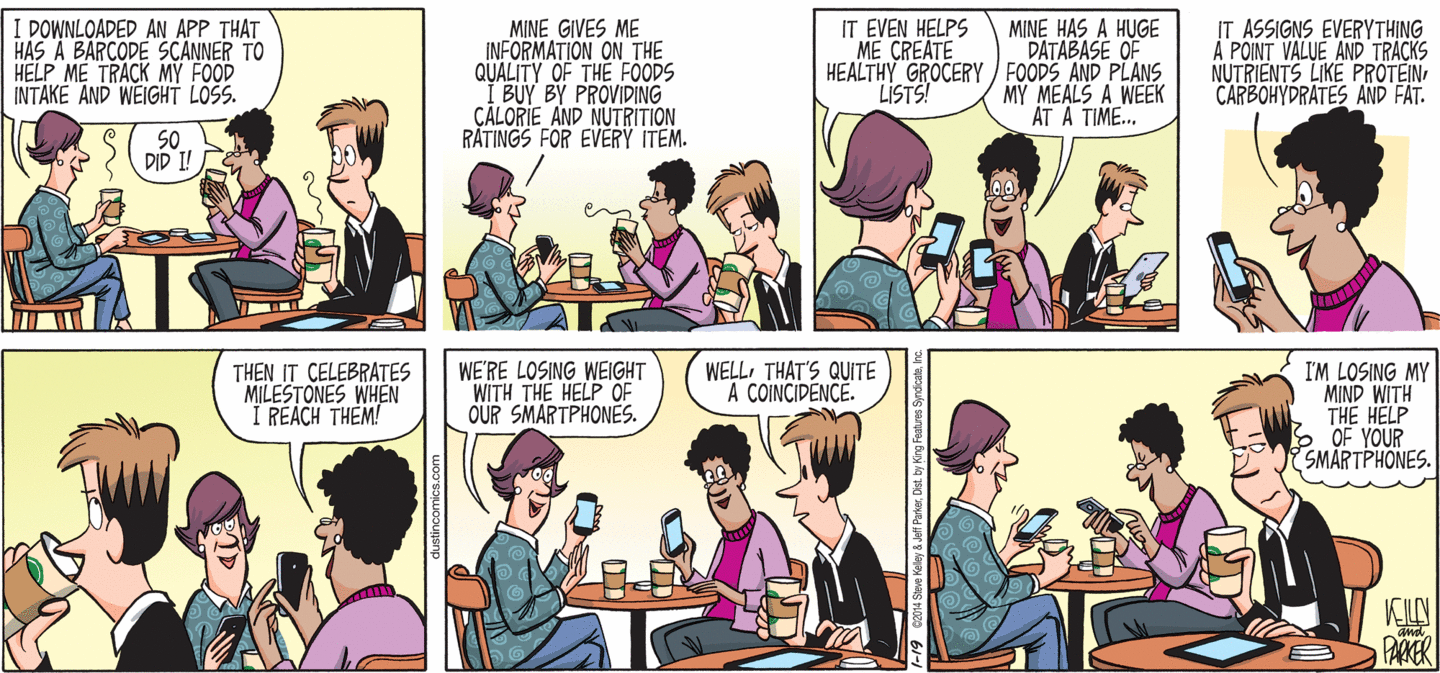
A tirinha a seguir mostra um diálogo entre duas pessoas, com a participação de um terceiro interlocutor.
Fonte: http://comicskingdom.com/system/media/562_content_original.gif?1390858923. (Acesso em 01/05/2016)
A terceira pessoa mostra-se incomodada devido à/ao
A tirinha a seguir mostra um diálogo entre duas pessoas, com a participação de um terceiro interlocutor.
Fonte: http://comicskingdom.com/system/media/562_content_original.gif?1390858923. (Acesso em 01/05/2016)
Depreende-se da leitura que os aplicativos
A tirinha a seguir mostra um diálogo entre duas pessoas, com a participação de um terceiro interlocutor.
Fonte: http://comicskingdom.com/system/media/562_content_original.gif?1390858923. (Acesso em 01/05/2016)
As palavras utilizadas como referentes aos aplicativos são
A tirinha a seguir mostra um diálogo entre duas pessoas, com a participação de um terceiro interlocutor.
Fonte: http://comicskingdom.com/system/media/562_content_original.gif?1390858923. (Acesso em 01/05/2016)
Marque a opção em que os itens da tirinha possuem a mesma classificação gramatical.
STARSHOT PROJECT: STEPHEN HAWKING AND MARK ZUCKERBERG LAUNCH MOST AMBITIOUS ALIEN-FINDING PROJECT EVER
1 Tiny rockets are going to be sent into space to study the far universe in the most ambitious space exploration
2 project in history.
3 Scientists including Stephen Hawking and backers such as internet investor Yuri Milner and Mark Zuckerberg
4 will send “nano craft” deep into space to explore the most remote regions that humans have ever seen, by far.
5 The hugely ambitious project could reveal deep secrets of the universe and will allow people to photograph
6 one of the most likely places to hold life on other worlds.
7 Professor Hawking said at the event: "What makes us unique is transcending our limits. Gravity pins us to the
8 ground, but I just flew to America.
9 "How do we transcend these limits? With our minds and our machines.
10 "The limit that confronts us now is the great void between us and the stars. But now we can transcend it, with
11 light beams, light sails, and the lightest spacecraft ever built. Today we commit to this next great leap into the
12 cosmos, because we are human and our nature is to fly.”
13 The Starshot Project hopes to get the tiny robots out to the Alpha Centauri star system, 25 trillion miles away.
14 Getting there through normal means would take 30,000 years – but the new project hopes that using the tiny
15 rockets will allow them to get there in just 20.
16 Scientists think that the Alpha Centauri system might well have an Earth-like planet that could be found in its
17 “habitable zones”. The craft will be able to take pictures of those – a potential way that they might find life on
18 other worlds.
19 The crafts will be “gram-scale nano craft”, according to Yuri Milner, which will make their way through space
20 using a “sail pushed by a light beam”. Their design will allow them to fly at 25 per cent of light speed.
21 Those craft will be able to send back images of possible planets and other scientific data, according to the
22 scientists behind it.
23 "The human story is one of great leaps,” Dr Milner said. “Today we are preparing for the next great leap – to
24 the stars.
25 "Can we literally reach the stars, and can we do it in our lifetime?"
26 The tiny rockets are made up of computers that can be mounted to a tiny “wafer”. Shrinking computer
27 components mean that all of the necessary parts – cameras, thrusters, power supply and navigation
28 equipment – can all be mounted on a tiny plate that will be a fully functional space probe.
29 Before those are built, the project will have to create all of the important parts on the ground. That includes
30 the construction of a light-beamer that can power the rockets and a “mothership” that will be able to carry
31 them all out into space and launch them.
32 Because of economies of scale and the decreasing price of computer components, the team will eventually
33 be able to send out the rockets for just a few hundred thousand dollars, they said.
Fonte: http://www.independent.co.uk/news/science/starshot-project-stephen-hawking-and-mark-zuckerberg-to-send-tiny-rockets-to-alpha-centauri-in-most-a6981101.html (acesso em 03/05/2016).
De acordo com o texto, o principal objetivo do Projeto Starshot éResolução comentada
Análise das alternativas
STARSHOT PROJECT: STEPHEN HAWKING AND MARK ZUCKERBERG LAUNCH MOST AMBITIOUS ALIEN-FINDING PROJECT EVER
1 Tiny rockets are going to be sent into space to study the far universe in the most ambitious space exploration
2 project in history.
3 Scientists including Stephen Hawking and backers such as internet investor Yuri Milner and Mark Zuckerberg
4 will send “nano craft” deep into space to explore the most remote regions that humans have ever seen, by far.
5 The hugely ambitious project could reveal deep secrets of the universe and will allow people to photograph
6 one of the most likely places to hold life on other worlds.
7 Professor Hawking said at the event: "What makes us unique is transcending our limits. Gravity pins us to the
8 ground, but I just flew to America.
9 "How do we transcend these limits? With our minds and our machines.
10 "The limit that confronts us now is the great void between us and the stars. But now we can transcend it, with
11 light beams, light sails, and the lightest spacecraft ever built. Today we commit to this next great leap into the
12 cosmos, because we are human and our nature is to fly.”
13 The Starshot Project hopes to get the tiny robots out to the Alpha Centauri star system, 25 trillion miles away.
14 Getting there through normal means would take 30,000 years – but the new project hopes that using the tiny
15 rockets will allow them to get there in just 20.
16 Scientists think that the Alpha Centauri system might well have an Earth-like planet that could be found in its
17 “habitable zones”. The craft will be able to take pictures of those – a potential way that they might find life on
18 other worlds.
19 The crafts will be “gram-scale nano craft”, according to Yuri Milner, which will make their way through space
20 using a “sail pushed by a light beam”. Their design will allow them to fly at 25 per cent of light speed.
21 Those craft will be able to send back images of possible planets and other scientific data, according to the
22 scientists behind it.
23 "The human story is one of great leaps,” Dr Milner said. “Today we are preparing for the next great leap – to
24 the stars.
25 "Can we literally reach the stars, and can we do it in our lifetime?"
26 The tiny rockets are made up of computers that can be mounted to a tiny “wafer”. Shrinking computer
27 components mean that all of the necessary parts – cameras, thrusters, power supply and navigation
28 equipment – can all be mounted on a tiny plate that will be a fully functional space probe.
29 Before those are built, the project will have to create all of the important parts on the ground. That includes
30 the construction of a light-beamer that can power the rockets and a “mothership” that will be able to carry
31 them all out into space and launch them.
32 Because of economies of scale and the decreasing price of computer components, the team will eventually
33 be able to send out the rockets for just a few hundred thousand dollars, they said.
Fonte: http://www.independent.co.uk/news/science/starshot-project-stephen-hawking-and-mark-zuckerberg-to-send-tiny-rockets-to-alpha-centauri-in-most-a6981101.html (acesso em 03/05/2016).
De acordo com o texto, é correto afirmar queResolução comentada
Análise das alternativas
STARSHOT PROJECT: STEPHEN HAWKING AND MARK ZUCKERBERG LAUNCH MOST AMBITIOUS ALIEN-FINDING PROJECT EVER
1 Tiny rockets are going to be sent into space to study the far universe in the most ambitious space exploration
2 project in history.
3 Scientists including Stephen Hawking and backers such as internet investor Yuri Milner and Mark Zuckerberg
4 will send “nano craft” deep into space to explore the most remote regions that humans have ever seen, by far.
5 The hugely ambitious project could reveal deep secrets of the universe and will allow people to photograph
6 one of the most likely places to hold life on other worlds.
7 Professor Hawking said at the event: "What makes us unique is transcending our limits. Gravity pins us to the
8 ground, but I just flew to America.
9 "How do we transcend these limits? With our minds and our machines.
10 "The limit that confronts us now is the great void between us and the stars. But now we can transcend it, with
11 light beams, light sails, and the lightest spacecraft ever built. Today we commit to this next great leap into the
12 cosmos, because we are human and our nature is to fly.”
13 The Starshot Project hopes to get the tiny robots out to the Alpha Centauri star system, 25 trillion miles away.
14 Getting there through normal means would take 30,000 years – but the new project hopes that using the tiny
15 rockets will allow them to get there in just 20.
16 Scientists think that the Alpha Centauri system might well have an Earth-like planet that could be found in its
17 “habitable zones”. The craft will be able to take pictures of those – a potential way that they might find life on
18 other worlds.
19 The crafts will be “gram-scale nano craft”, according to Yuri Milner, which will make their way through space
20 using a “sail pushed by a light beam”. Their design will allow them to fly at 25 per cent of light speed.
21 Those craft will be able to send back images of possible planets and other scientific data, according to the
22 scientists behind it.
23 "The human story is one of great leaps,” Dr Milner said. “Today we are preparing for the next great leap – to
24 the stars.
25 "Can we literally reach the stars, and can we do it in our lifetime?"
26 The tiny rockets are made up of computers that can be mounted to a tiny “wafer”. Shrinking computer
27 components mean that all of the necessary parts – cameras, thrusters, power supply and navigation
28 equipment – can all be mounted on a tiny plate that will be a fully functional space probe.
29 Before those are built, the project will have to create all of the important parts on the ground. That includes
30 the construction of a light-beamer that can power the rockets and a “mothership” that will be able to carry
31 them all out into space and launch them.
32 Because of economies of scale and the decreasing price of computer components, the team will eventually
33 be able to send out the rockets for just a few hundred thousand dollars, they said.
Fonte: http://www.independent.co.uk/news/science/starshot-project-stephen-hawking-and-mark-zuckerberg-to-send-tiny-rockets-to-alpha-centauri-in-most-a6981101.html (acesso em 03/05/2016).
Quanto à execução do Projeto Starshot, o texto afirma queResolução comentada
Análise das alternativas
STARSHOT PROJECT: STEPHEN HAWKING AND MARK ZUCKERBERG LAUNCH MOST AMBITIOUS ALIEN-FINDING PROJECT EVER
1 Tiny rockets are going to be sent into space to study the far universe in the most ambitious space exploration
2 project in history.
3 Scientists including Stephen Hawking and backers such as internet investor Yuri Milner and Mark Zuckerberg
4 will send “nano craft” deep into space to explore the most remote regions that humans have ever seen, by far.
5 The hugely ambitious project could reveal deep secrets of the universe and will allow people to photograph
6 one of the most likely places to hold life on other worlds.
7 Professor Hawking said at the event: "What makes us unique is transcending our limits. Gravity pins us to the
8 ground, but I just flew to America.
9 "How do we transcend these limits? With our minds and our machines.
10 "The limit that confronts us now is the great void between us and the stars. But now we can transcend it, with
11 light beams, light sails, and the lightest spacecraft ever built. Today we commit to this next great leap into the
12 cosmos, because we are human and our nature is to fly.”
13 The Starshot Project hopes to get the tiny robots out to the Alpha Centauri star system, 25 trillion miles away.
14 Getting there through normal means would take 30,000 years – but the new project hopes that using the tiny
15 rockets will allow them to get there in just 20.
16 Scientists think that the Alpha Centauri system might well have an Earth-like planet that could be found in its
17 “habitable zones”. The craft will be able to take pictures of those – a potential way that they might find life on
18 other worlds.
19 The crafts will be “gram-scale nano craft”, according to Yuri Milner, which will make their way through space
20 using a “sail pushed by a light beam”. Their design will allow them to fly at 25 per cent of light speed.
21 Those craft will be able to send back images of possible planets and other scientific data, according to the
22 scientists behind it.
23 "The human story is one of great leaps,” Dr Milner said. “Today we are preparing for the next great leap – to
24 the stars.
25 "Can we literally reach the stars, and can we do it in our lifetime?"
26 The tiny rockets are made up of computers that can be mounted to a tiny “wafer”. Shrinking computer
27 components mean that all of the necessary parts – cameras, thrusters, power supply and navigation
28 equipment – can all be mounted on a tiny plate that will be a fully functional space probe.
29 Before those are built, the project will have to create all of the important parts on the ground. That includes
30 the construction of a light-beamer that can power the rockets and a “mothership” that will be able to carry
31 them all out into space and launch them.
32 Because of economies of scale and the decreasing price of computer components, the team will eventually
33 be able to send out the rockets for just a few hundred thousand dollars, they said.
Fonte: http://www.independent.co.uk/news/science/starshot-project-stephen-hawking-and-mark-zuckerberg-to-send-tiny-rockets-to-alpha-centauri-in-most-a6981101.html (acesso em 03/05/2016).
Na frase "But now we can transcend it, with light beams, light sails, and the lightest spacecraft ever built." (linhas 10 e 11), é correto afirmar que

Texto-base:
Texto-base:
Texto-base:
Texto-base:
Texto-base:
Texto-base:
Texto-base:
Texto-base:
Texto-base:
Texto-base:
Texto-base:
Texto-base:
Texto-base:
Texto-base:
Texto-base:
Texto-base:
Texto-base:
Texto-base:
Texto-base:
Texto-base: