← Voltar para a lista de provas Comando da Aeronáutica — Academia da Força Aérea (CFOAV, CFOINT e CFOINF) · Exame de Admissão aos Cursos de Formação de Oficiais Aviadores, Intendentes e de Infantaria (CFOAV, CFOINT e CFOINF) 2018 65 questões nesta prova · página 2 de 4 · 60 com gabarito Gabarito disponível Termo em x⁸ do multinomial (2 + x² + 3x³)¹⁰: duas combinações possíveis, e a menor dá 13 440. Sejam a, b e c os números de fatores 2, x² e 3x³ escolhidos, com a+b+c=10 e 2b+3c=8. As soluções são (a,b,c)=(6,4,0) e (7,1,2). A primeira dá 10!/(6!4!)·2⁶ = 210·64 = 13 440. A segunda dá 10!/(7!1!2!)·2⁷·3² = 360·1152 = 414 720. O menor coeficiente é 13 440. A, B e D não correspondem a nenhum dos coeficientes possíveis, que são só 13 440 e 414 720. C é o menor deles. Referência: Teorema multinomial; permutação com repetição. Resolução comentada do VaiConcursos. Gabarito disponível Gabarito disponível As retas nunca são coincidentes. As retas são paralelas quando 3·9 = 3p·p, isto é, p = ±3. Para p = 3 ou p = −3, as razões entre os coeficientes e os termos independentes não coincidem, então as retas são paralelas distintas e nunca coincidentes. Por isso a alternativa D é a incorreta. A) Correta: concorrentes se p² ≠ 9. B) Correta: com p = 0, r é x = 0 e s é horizontal. C) Correta: paralelas distintas para p = 3 e p = −3. Referência: Posição relativa de retas. Resolução comentada do VaiConcursos. Gabarito disponível A circunferência tem centro (0, 2) e raio √2, e o ponto mais próximo da origem é (0, 2−√2). O centro está em x + y = 2 e equidista de y = x e de x − y + 4 = 0, o que dá h = 0. O centro é (0, 2) e r = √2. A origem está a distância 2 do centro, então o ponto mais próximo está sobre o eixo y: (0, 2−√2). A) Errada: B = (−1, 3) e a soma é 2. B) Errada: P(−1, 2) está a distância 1 < √2 do centro, logo é interior. D) Errada: a distância do centro a y = −x é √2 = r, então a reta é tangente, não exterior.
Referência: Geometria analítica: circunferência e tangência. Resolução comentada do VaiConcursos. Gabarito disponível F₁ = (−3, −2) não coincide com o centro (−3, 2) da outra curva. A elipse tem centro (1, −2), a = 5, b = 3 e c = 4. Os focos são F₁(−3, −2) e F₂(5, −2). A curva x² + y² + 6x − 4y = 0 tem centro (−3, 2), diferente de F₁. A afirmação B é, portanto, a incorreta. A) Correta: a soma das distâncias é 2a = 10. C) Correta: a distância de F₂ à origem é √29 > 5. D) Correta: o ponto de abscissa máxima é (6, −2), que satisfaz y = x − 8. Referência: Elipse: focos e propriedades; circunferência. Resolução comentada do VaiConcursos. Gabarito disponível Da condição dada, a = −4 e a soma pedida é 0,25. Temos f(−2+a) = 1/(2a−2) e f(−a) = 1/(2−2a) = −1/(2a−2). A condição vira 2/(2a−2) = −1/5, ou seja, a − 1 = −5 e a = −4. Então f(a/2−1) = f(−3) = −1/4 e f(4+a) = f(0) = 1/2. A soma é 0,25. A, B e C) Não resultam da soma −1/4 + 1/2. Referência: Funções: cálculo de valores numéricos. Resolução comentada do VaiConcursos. Gabarito disponível Gabarito disponível Questão anulada Gabarito disponível Gabarito disponível Volume = cilindro menos dois cones, V = 4πR³/3, o que dá R = √3. A altura do triângulo em relação a AB é √(2R² − R²) = R, que é a distância de AB ao eixo. A rotação gera um cilindro de raio R e altura 2R, com volume 2πR³, do qual se retiram dois cones de raio R e altura R, com volume total 2πR³/3. Assim V = 4πR³/3. Igualando a 4π√3, obtém-se R³ = 3√3, logo R = √3. A, B e C) Não satisfazem R³ = 3√3. Por exemplo, ∛3 elevado ao cubo dá 3, e ⁶√3 elevado ao cubo dá √3, que não é 3√3. Referência: Sólidos de revolução: volumes de cilindro e cone. Resolução comentada do VaiConcursos. Gabarito disponível Gabarito disponível O texto mostra um problema persistente e sua solução. O texto apresenta a escassez de alimentos como problema grave e ainda existente, e depois propõe soluções: reduzir emissões, investir em energia limpa e agir com governos e organismos internacionais. A alternativa B resume isso. A) Errada: Burkina Faso só aparece numa lista de países afetados por instabilidade. C) Errada: a urbanização é citada como causa da perda de terras agrícolas. D) Errada: a degradação do solo é descrita como impacto negativo causado pelas atividades humanas. Referência: Ideia central do texto. Resolução comentada do VaiConcursos. Gabarito disponível A afirmação incorreta é a de que não há explicações claras sobre as razões da escassez. O texto dedica seções inteiras às causas da escassez (sociais, ambientais e econômicas), então dizer que não há explicações claras é incorreto, o que a questão pede. B) Compatível com a conclusão do texto, segundo a qual as medidas adequadas resolvem o problema. C) Correta: gases de efeito estufa afetam o clima e a produção de alimentos. D) Correta: secas e desertificação prejudicam a produção de alimentos. Referência: Interpretação de texto (questão de assertiva INCORRETA). Resolução comentada do VaiConcursos. Gabarito disponível Quebra de safra é fator ambiental, superpopulação é social e políticas ruins são econômicas. O parágrafo cita fatores econômicos, ambientais e sociais, e o texto associa a quebra de safra ao ambiente, a superpopulação ao fator social e as políticas governamentais ruins ao econômico. Essa ordem corresponde a 'environmental, social and economic', como na alternativa D. A) Errada: 'urban' não é um dos fatores listados e a ordem não bate. B) e C) Errada: classificam a quebra de safra como econômica ou o fator político fora da lista de fatores do trecho. Referência: Parágrafo 1 do texto. Resolução comentada do VaiConcursos. Gabarito disponível Fatores ambientais citados no texto: mudança climática, queima de combustíveis fósseis e enchentes. A seção 'Environmental factors' cita a mudança climática, a combustão de combustíveis fósseis (gases de efeito estufa) e os desastres naturais, como enchentes. Isso corresponde à alternativa B. A) Errada: o preço dos combustíveis é fator econômico. C) Errada: agricultura, fertilizantes e custo de produção são aspectos econômicos. D) Errada: os investimentos reduzidos na agricultura são fator econômico, embora secas e tempestades sejam ambientais. Referência: Seção 'Causes of food shortages' (fatores ambientais). Resolução comentada do VaiConcursos. Gabarito disponível 'Overcrowding of population' significa grande quantidade de pessoas. 'Overcrowding' é a superlotação, o excesso de pessoas em um mesmo lugar. O texto o relaciona à urbanização de campos agrícolas, o que corresponde a 'great amount of people'. A) Errada: indica o contrário, poucos habitantes. B) Errada: 'a place' é vago e não expressa o excesso. D) Errada: o problema é o excesso de pessoas, não a falta de área. Referência: Vocabulário em contexto (prefixo over-). Resolução comentada do VaiConcursos. Gabarito disponível As atividades humanas são as principais responsáveis pela mudança climática. Na voz passiva, 'the change in climate is majorly caused by human activities' significa que a mudança no clima é causada principalmente por atividades humanas. Logo, essas atividades são as maiores responsáveis, como diz a alternativa A. B) Errada: inverte causa e efeito. C) Errada: 'human changes' distorce o sentido do trecho. D) Errada: também inverte a relação, dizendo que o clima causa o comportamento humano. Referência: Voz passiva; 'majorly' = principalmente. Resolução comentada do VaiConcursos. Gabarito disponível Gabarito disponívelEPCAR — Exame de Admissão aos CFOAV, CFOINT e CFOINF 2018 — Língua Portuguesa, Matemática, Língua Inglesa, Física e Redação — Versão A
Resolução comentada
Análise das alternativas
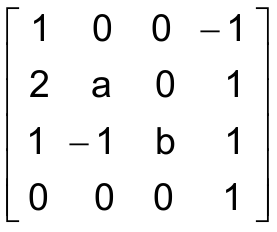
vale 24.
Dessa forma o determinante da matriz
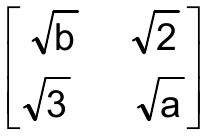
é igual a
r: 3x + 3py + p = 0
s: px + 9y − 3 = 0 , onde p ∈ ℝ
Baseado nessas informações, marque a alternativa INCORRETA.Resolução comentada
Análise das alternativas
Sabendo que a reta t: x − y + 4 = 0 tangencia λ no ponto B, marque a opção correta.Resolução comentada
Análise das alternativas
Se F₁ e F₂ são os focos de λ, tais que a abscissa de F₁ é menor que a abscissa de F₂, é INCORRETO afirmar queResolução comentada
Análise das alternativas
Se f(−2 + a) + 1/5 = f(−a), então f(a/2 − 1) + f(4 + a) é igual aResolução comentada
Análise das alternativas
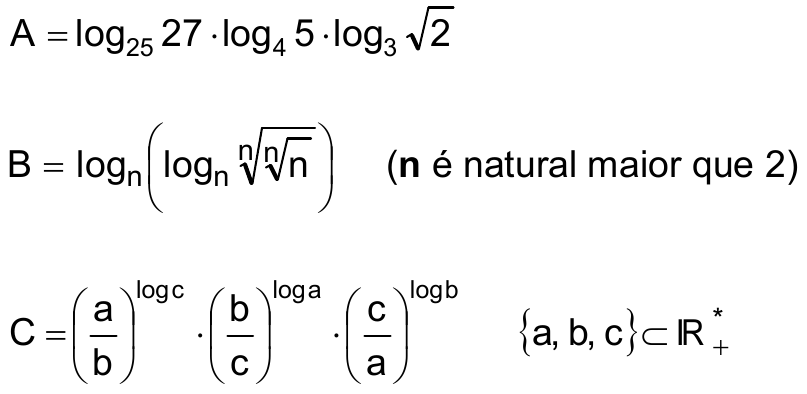
A correta relação de ordem entre os números A, B e C é
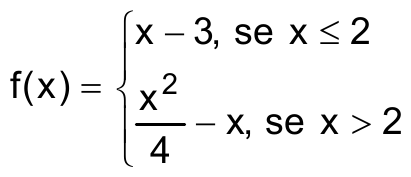
Analise as proposições a seguir e classifique-as em V (VERDADEIRA) ou F (FALSA).
( ) A função f é injetora.
( ) ∀ x ∈ ℝ, a função f é crescente.
( ) A função f⁻¹, inversa de f, é dada por f⁻¹: ℝ → ℝ, tal que f⁻¹(x) =
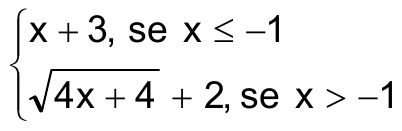
A sequência correta é
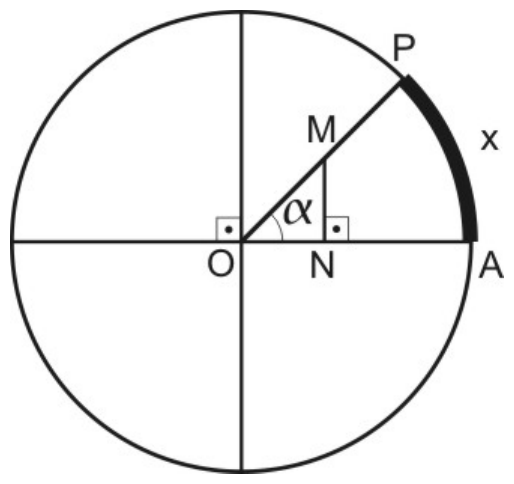
Assim sendo, é correto afirmar que y
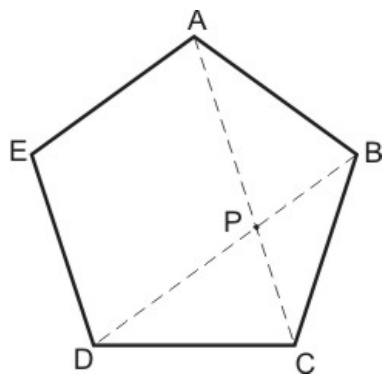
Os triângulos DBC e BCP são semelhantes.
A medida de AC, uma das diagonais do pentágono regular, em cm, é igual a
Sabe-se que este triângulo é isósceles, com AC ≡ BC = R√2 m, AB = 2R m (sendo R uma constante real não nula), e que o volume do sólido obtido é V = 4π√3 m³.
A medida de R, em metros, é igual aResolução comentada
Análise das alternativas
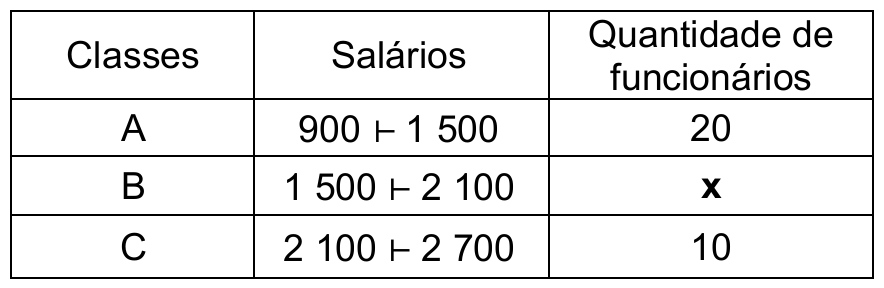
Se a mediana para a distribuição de frequências obtida acima é m, então a soma dos algarismos de m é igual a
Directions: Read the text below and answer questions 33 to 48 according to it.
TEXT
FOOD SHORTAGE CAUSES, EFFECTS AND SOLUTIONS
Food shortage is a serious problem facing the
world and is prevalent in sub-Saharan Africa. The
scarcity of food is caused by economic, environmental
and social factors such as crop failure, overpopulation
5 and poor government policies are the main cause of food
scarcity in most countries. Environmental factors
determine the kind of crops to be produced in a given
place, economic factors determine the buying and
production capacity and socio-political factors determine
10 distribution of food to the masses. Food shortage has far
reaching long and short term negative impacts which
include starvation, malnutrition, increased mortality and
political unrest¹. There is need to collectively address the
issue of food insecurity using both emergency and long
15 term measures.
Causes of food shortages
There are a number of social factors causing
food shortages. The rate of population increase is higher
than increase in food production. The world is consuming
20 more than it is producing, leading to decline in food stock
and storage level and increased food prices due to
soaring² demand. Increased population has led to
clearing of agricultural land for human settlement
reducing agricultural production (Kamdor, 2007).
25 Overcrowding of population in a given place results in
urbanization of previously rich agricultural fields.
Destruction of forests for human settlement, particularly
tropical rain forest has led to climatic changes, such as
prolonged droughts and desertification. Population
30 increase means more pollution as people use more fuel
in cars, industry, domestic cooking. The resultant effect
is increased air and water pollution which affect the
climate and food production.
Environmental factors have greatly contributed
35 to food shortage. Climatic change has reduced
agricultural production. The change in climate is majorly
caused by human activities and to some small extent
natural activities. Increased combustion of fossil fuels
due to increasing population through power plant, motor
40 transport and mining of coal and oil emits green house
gases which have continued to affect world climate.
Deforestation of tropical forest due to human pressure
has changed climatic patterns and rainfall seasons, and
led to desertification which cannot support a crop
45 production. Land degradation due to increased human
activities has impacted negatively on agricultural
production (Kamdor, 2007). Natural disasters such as
floods, tropical storms and prolonged droughts are on the
increase and have devastating impacts on food security
50 particularly in developing countries. There are several
economic factors that contribute to food shortage.
Economic factors affect the ability of farmers to engage
in agricultural production. Poverty situation in developing
nations have reduced their capacity to produce food, as
55 most farmers cannot afford seed and fertilizers. They use
poor farming methods that cannot yield³ enough, even
substantial use. Investments in agricultural research and
developing are very low in developing nations. Recent
global financial crisis have led to increase in food prices
60 and reduced investments in agriculture by individuals
and governments in developed nations resulting in
reduced food production.
Effects of food shortage
There are a number of short term effects of food
65 shortage. The impact on children, mothers and elderly
are very evident as seen in malnutrition and hunger
related deaths. Children succumb to hunger within short
period as they cannot stand long period of starvation and
they die even before the arrival of emergency
70 assistance.
There are also long term effects of food
shortage. These include increase in the price of food as
a result demand and supply forces. Increasing cost of
food production due to the increase in fuel prices coupled
75 with persistent drought in grain producing regions has
contributed to the increase in the price of food in the
world. Increase in oil price led to increase in the price of
fertilizers, transportation of food and also industrial
agriculture. Increasing food prices culminated in political
80 instability and social unrest in several nations across the
globe in 2007, in countries of Mexico, Cameroon, Brazil,
Burkina Faso, Pakistan, Egypt and Bangladesh among
other nations (Kamdor, 2007).
Solution to problem of food shortage
85 There are some solutions to the problem of food
shortage. There is need to reduce production of carbon
emissions and pollution to reduce the resultant climatic
change through concerted and individual efforts. There
is need to invest in clean energy such as solar, nuclear,
90 and geothermal power in homes and industries, because
they don’t have adverse effects on the environment
(Kamdor, 2007). Rich nations should help poor nations to
develop and use clean and renewable energy in order to
stabilize green house emissions into the atmosphere
95 (Watson, nd). Government need to work in consultation
with climatic bodies, World Bank and the UN to engage
in projects aimed at promoting green environment.
Conclusion
Causes of food shortage are well known and
100 can be solved if appropriate measures to solve the
problem are taken and effectively implemented.
Environmental causes of food shortages are changes in
climatic and pollution due to human activities such
overgrazing⁴ and deforestation which can be controlled
105 through legislation.
(Adapted from http://www.paypervids.com/food-shortage-causes-effects-solutions/Acesso em:14 fev 2017)
Glossary:
1. unrest – disagreement or fighting between different groups of people
2. soaring – something that increases rapidly above the usual level
3. yield – to supply or produce something such as profit or an amount or food
4. overgrazing – excessive use of land where animals feed on grass
The textResolução comentada
Análise das alternativas
Directions: Read the text below and answer questions 33 to 48 according to it.
TEXT
FOOD SHORTAGE CAUSES, EFFECTS AND SOLUTIONS
Food shortage is a serious problem facing the
world and is prevalent in sub-Saharan Africa. The
scarcity of food is caused by economic, environmental
and social factors such as crop failure, overpopulation
5 and poor government policies are the main cause of food
scarcity in most countries. Environmental factors
determine the kind of crops to be produced in a given
place, economic factors determine the buying and
production capacity and socio-political factors determine
10 distribution of food to the masses. Food shortage has far
reaching long and short term negative impacts which
include starvation, malnutrition, increased mortality and
political unrest¹. There is need to collectively address the
issue of food insecurity using both emergency and long
15 term measures.
Causes of food shortages
There are a number of social factors causing
food shortages. The rate of population increase is higher
than increase in food production. The world is consuming
20 more than it is producing, leading to decline in food stock
and storage level and increased food prices due to
soaring² demand. Increased population has led to
clearing of agricultural land for human settlement
reducing agricultural production (Kamdor, 2007).
25 Overcrowding of population in a given place results in
urbanization of previously rich agricultural fields.
Destruction of forests for human settlement, particularly
tropical rain forest has led to climatic changes, such as
prolonged droughts and desertification. Population
30 increase means more pollution as people use more fuel
in cars, industry, domestic cooking. The resultant effect
is increased air and water pollution which affect the
climate and food production.
Environmental factors have greatly contributed
35 to food shortage. Climatic change has reduced
agricultural production. The change in climate is majorly
caused by human activities and to some small extent
natural activities. Increased combustion of fossil fuels
due to increasing population through power plant, motor
40 transport and mining of coal and oil emits green house
gases which have continued to affect world climate.
Deforestation of tropical forest due to human pressure
has changed climatic patterns and rainfall seasons, and
led to desertification which cannot support a crop
45 production. Land degradation due to increased human
activities has impacted negatively on agricultural
production (Kamdor, 2007). Natural disasters such as
floods, tropical storms and prolonged droughts are on the
increase and have devastating impacts on food security
50 particularly in developing countries. There are several
economic factors that contribute to food shortage.
Economic factors affect the ability of farmers to engage
in agricultural production. Poverty situation in developing
nations have reduced their capacity to produce food, as
55 most farmers cannot afford seed and fertilizers. They use
poor farming methods that cannot yield³ enough, even
substantial use. Investments in agricultural research and
developing are very low in developing nations. Recent
global financial crisis have led to increase in food prices
60 and reduced investments in agriculture by individuals
and governments in developed nations resulting in
reduced food production.
Effects of food shortage
There are a number of short term effects of food
65 shortage. The impact on children, mothers and elderly
are very evident as seen in malnutrition and hunger
related deaths. Children succumb to hunger within short
period as they cannot stand long period of starvation and
they die even before the arrival of emergency
70 assistance.
There are also long term effects of food
shortage. These include increase in the price of food as
a result demand and supply forces. Increasing cost of
food production due to the increase in fuel prices coupled
75 with persistent drought in grain producing regions has
contributed to the increase in the price of food in the
world. Increase in oil price led to increase in the price of
fertilizers, transportation of food and also industrial
agriculture. Increasing food prices culminated in political
80 instability and social unrest in several nations across the
globe in 2007, in countries of Mexico, Cameroon, Brazil,
Burkina Faso, Pakistan, Egypt and Bangladesh among
other nations (Kamdor, 2007).
Solution to problem of food shortage
85 There are some solutions to the problem of food
shortage. There is need to reduce production of carbon
emissions and pollution to reduce the resultant climatic
change through concerted and individual efforts. There
is need to invest in clean energy such as solar, nuclear,
90 and geothermal power in homes and industries, because
they don’t have adverse effects on the environment
(Kamdor, 2007). Rich nations should help poor nations to
develop and use clean and renewable energy in order to
stabilize green house emissions into the atmosphere
95 (Watson, nd). Government need to work in consultation
with climatic bodies, World Bank and the UN to engage
in projects aimed at promoting green environment.
Conclusion
Causes of food shortage are well known and
100 can be solved if appropriate measures to solve the
problem are taken and effectively implemented.
Environmental causes of food shortages are changes in
climatic and pollution due to human activities such
overgrazing⁴ and deforestation which can be controlled
105 through legislation.
(Adapted from http://www.paypervids.com/food-shortage-causes-effects-solutions/Acesso em:14 fev 2017)
Glossary:
1. unrest – disagreement or fighting between different groups of people
2. soaring – something that increases rapidly above the usual level
3. yield – to supply or produce something such as profit or an amount or food
4. overgrazing – excessive use of land where animals feed on grass
Mark the INCORRECT option according to the text.Resolução comentada
Análise das alternativas
Directions: Read the text below and answer questions 33 to 48 according to it.
TEXT
FOOD SHORTAGE CAUSES, EFFECTS AND SOLUTIONS
Food shortage is a serious problem facing the
world and is prevalent in sub-Saharan Africa. The
scarcity of food is caused by economic, environmental
and social factors such as crop failure, overpopulation
5 and poor government policies are the main cause of food
scarcity in most countries. Environmental factors
determine the kind of crops to be produced in a given
place, economic factors determine the buying and
production capacity and socio-political factors determine
10 distribution of food to the masses. Food shortage has far
reaching long and short term negative impacts which
include starvation, malnutrition, increased mortality and
political unrest¹. There is need to collectively address the
issue of food insecurity using both emergency and long
15 term measures.
Causes of food shortages
There are a number of social factors causing
food shortages. The rate of population increase is higher
than increase in food production. The world is consuming
20 more than it is producing, leading to decline in food stock
and storage level and increased food prices due to
soaring² demand. Increased population has led to
clearing of agricultural land for human settlement
reducing agricultural production (Kamdor, 2007).
25 Overcrowding of population in a given place results in
urbanization of previously rich agricultural fields.
Destruction of forests for human settlement, particularly
tropical rain forest has led to climatic changes, such as
prolonged droughts and desertification. Population
30 increase means more pollution as people use more fuel
in cars, industry, domestic cooking. The resultant effect
is increased air and water pollution which affect the
climate and food production.
Environmental factors have greatly contributed
35 to food shortage. Climatic change has reduced
agricultural production. The change in climate is majorly
caused by human activities and to some small extent
natural activities. Increased combustion of fossil fuels
due to increasing population through power plant, motor
40 transport and mining of coal and oil emits green house
gases which have continued to affect world climate.
Deforestation of tropical forest due to human pressure
has changed climatic patterns and rainfall seasons, and
led to desertification which cannot support a crop
45 production. Land degradation due to increased human
activities has impacted negatively on agricultural
production (Kamdor, 2007). Natural disasters such as
floods, tropical storms and prolonged droughts are on the
increase and have devastating impacts on food security
50 particularly in developing countries. There are several
economic factors that contribute to food shortage.
Economic factors affect the ability of farmers to engage
in agricultural production. Poverty situation in developing
nations have reduced their capacity to produce food, as
55 most farmers cannot afford seed and fertilizers. They use
poor farming methods that cannot yield³ enough, even
substantial use. Investments in agricultural research and
developing are very low in developing nations. Recent
global financial crisis have led to increase in food prices
60 and reduced investments in agriculture by individuals
and governments in developed nations resulting in
reduced food production.
Effects of food shortage
There are a number of short term effects of food
65 shortage. The impact on children, mothers and elderly
are very evident as seen in malnutrition and hunger
related deaths. Children succumb to hunger within short
period as they cannot stand long period of starvation and
they die even before the arrival of emergency
70 assistance.
There are also long term effects of food
shortage. These include increase in the price of food as
a result demand and supply forces. Increasing cost of
food production due to the increase in fuel prices coupled
75 with persistent drought in grain producing regions has
contributed to the increase in the price of food in the
world. Increase in oil price led to increase in the price of
fertilizers, transportation of food and also industrial
agriculture. Increasing food prices culminated in political
80 instability and social unrest in several nations across the
globe in 2007, in countries of Mexico, Cameroon, Brazil,
Burkina Faso, Pakistan, Egypt and Bangladesh among
other nations (Kamdor, 2007).
Solution to problem of food shortage
85 There are some solutions to the problem of food
shortage. There is need to reduce production of carbon
emissions and pollution to reduce the resultant climatic
change through concerted and individual efforts. There
is need to invest in clean energy such as solar, nuclear,
90 and geothermal power in homes and industries, because
they don’t have adverse effects on the environment
(Kamdor, 2007). Rich nations should help poor nations to
develop and use clean and renewable energy in order to
stabilize green house emissions into the atmosphere
95 (Watson, nd). Government need to work in consultation
with climatic bodies, World Bank and the UN to engage
in projects aimed at promoting green environment.
Conclusion
Causes of food shortage are well known and
100 can be solved if appropriate measures to solve the
problem are taken and effectively implemented.
Environmental causes of food shortages are changes in
climatic and pollution due to human activities such
overgrazing⁴ and deforestation which can be controlled
105 through legislation.
(Adapted from http://www.paypervids.com/food-shortage-causes-effects-solutions/Acesso em:14 fev 2017)
Glossary:
1. unrest – disagreement or fighting between different groups of people
2. soaring – something that increases rapidly above the usual level
3. yield – to supply or produce something such as profit or an amount or food
4. overgrazing – excessive use of land where animals feed on grass
The first paragraph states that crop failure, overpopulation and poor government policies are the main cause of food scarcity in most countries. Such problems may represent respectivelyResolução comentada
Análise das alternativas
Directions: Read the text below and answer questions 33 to 48 according to it.
TEXT
FOOD SHORTAGE CAUSES, EFFECTS AND SOLUTIONS
Food shortage is a serious problem facing the
world and is prevalent in sub-Saharan Africa. The
scarcity of food is caused by economic, environmental
and social factors such as crop failure, overpopulation
5 and poor government policies are the main cause of food
scarcity in most countries. Environmental factors
determine the kind of crops to be produced in a given
place, economic factors determine the buying and
production capacity and socio-political factors determine
10 distribution of food to the masses. Food shortage has far
reaching long and short term negative impacts which
include starvation, malnutrition, increased mortality and
political unrest¹. There is need to collectively address the
issue of food insecurity using both emergency and long
15 term measures.
Causes of food shortages
There are a number of social factors causing
food shortages. The rate of population increase is higher
than increase in food production. The world is consuming
20 more than it is producing, leading to decline in food stock
and storage level and increased food prices due to
soaring² demand. Increased population has led to
clearing of agricultural land for human settlement
reducing agricultural production (Kamdor, 2007).
25 Overcrowding of population in a given place results in
urbanization of previously rich agricultural fields.
Destruction of forests for human settlement, particularly
tropical rain forest has led to climatic changes, such as
prolonged droughts and desertification. Population
30 increase means more pollution as people use more fuel
in cars, industry, domestic cooking. The resultant effect
is increased air and water pollution which affect the
climate and food production.
Environmental factors have greatly contributed
35 to food shortage. Climatic change has reduced
agricultural production. The change in climate is majorly
caused by human activities and to some small extent
natural activities. Increased combustion of fossil fuels
due to increasing population through power plant, motor
40 transport and mining of coal and oil emits green house
gases which have continued to affect world climate.
Deforestation of tropical forest due to human pressure
has changed climatic patterns and rainfall seasons, and
led to desertification which cannot support a crop
45 production. Land degradation due to increased human
activities has impacted negatively on agricultural
production (Kamdor, 2007). Natural disasters such as
floods, tropical storms and prolonged droughts are on the
increase and have devastating impacts on food security
50 particularly in developing countries. There are several
economic factors that contribute to food shortage.
Economic factors affect the ability of farmers to engage
in agricultural production. Poverty situation in developing
nations have reduced their capacity to produce food, as
55 most farmers cannot afford seed and fertilizers. They use
poor farming methods that cannot yield³ enough, even
substantial use. Investments in agricultural research and
developing are very low in developing nations. Recent
global financial crisis have led to increase in food prices
60 and reduced investments in agriculture by individuals
and governments in developed nations resulting in
reduced food production.
Effects of food shortage
There are a number of short term effects of food
65 shortage. The impact on children, mothers and elderly
are very evident as seen in malnutrition and hunger
related deaths. Children succumb to hunger within short
period as they cannot stand long period of starvation and
they die even before the arrival of emergency
70 assistance.
There are also long term effects of food
shortage. These include increase in the price of food as
a result demand and supply forces. Increasing cost of
food production due to the increase in fuel prices coupled
75 with persistent drought in grain producing regions has
contributed to the increase in the price of food in the
world. Increase in oil price led to increase in the price of
fertilizers, transportation of food and also industrial
agriculture. Increasing food prices culminated in political
80 instability and social unrest in several nations across the
globe in 2007, in countries of Mexico, Cameroon, Brazil,
Burkina Faso, Pakistan, Egypt and Bangladesh among
other nations (Kamdor, 2007).
Solution to problem of food shortage
85 There are some solutions to the problem of food
shortage. There is need to reduce production of carbon
emissions and pollution to reduce the resultant climatic
change through concerted and individual efforts. There
is need to invest in clean energy such as solar, nuclear,
90 and geothermal power in homes and industries, because
they don’t have adverse effects on the environment
(Kamdor, 2007). Rich nations should help poor nations to
develop and use clean and renewable energy in order to
stabilize green house emissions into the atmosphere
95 (Watson, nd). Government need to work in consultation
with climatic bodies, World Bank and the UN to engage
in projects aimed at promoting green environment.
Conclusion
Causes of food shortage are well known and
100 can be solved if appropriate measures to solve the
problem are taken and effectively implemented.
Environmental causes of food shortages are changes in
climatic and pollution due to human activities such
overgrazing⁴ and deforestation which can be controlled
105 through legislation.
(Adapted from http://www.paypervids.com/food-shortage-causes-effects-solutions/Acesso em:14 fev 2017)
Glossary:
1. unrest – disagreement or fighting between different groups of people
2. soaring – something that increases rapidly above the usual level
3. yield – to supply or produce something such as profit or an amount or food
4. overgrazing – excessive use of land where animals feed on grass
Some environmental factors that have contributed to food shortage areResolução comentada
Análise das alternativas
Directions: Read the text below and answer questions 33 to 48 according to it.
TEXT
FOOD SHORTAGE CAUSES, EFFECTS AND SOLUTIONS
Food shortage is a serious problem facing the
world and is prevalent in sub-Saharan Africa. The
scarcity of food is caused by economic, environmental
and social factors such as crop failure, overpopulation
5 and poor government policies are the main cause of food
scarcity in most countries. Environmental factors
determine the kind of crops to be produced in a given
place, economic factors determine the buying and
production capacity and socio-political factors determine
10 distribution of food to the masses. Food shortage has far
reaching long and short term negative impacts which
include starvation, malnutrition, increased mortality and
political unrest¹. There is need to collectively address the
issue of food insecurity using both emergency and long
15 term measures.
Causes of food shortages
There are a number of social factors causing
food shortages. The rate of population increase is higher
than increase in food production. The world is consuming
20 more than it is producing, leading to decline in food stock
and storage level and increased food prices due to
soaring² demand. Increased population has led to
clearing of agricultural land for human settlement
reducing agricultural production (Kamdor, 2007).
25 Overcrowding of population in a given place results in
urbanization of previously rich agricultural fields.
Destruction of forests for human settlement, particularly
tropical rain forest has led to climatic changes, such as
prolonged droughts and desertification. Population
30 increase means more pollution as people use more fuel
in cars, industry, domestic cooking. The resultant effect
is increased air and water pollution which affect the
climate and food production.
Environmental factors have greatly contributed
35 to food shortage. Climatic change has reduced
agricultural production. The change in climate is majorly
caused by human activities and to some small extent
natural activities. Increased combustion of fossil fuels
due to increasing population through power plant, motor
40 transport and mining of coal and oil emits green house
gases which have continued to affect world climate.
Deforestation of tropical forest due to human pressure
has changed climatic patterns and rainfall seasons, and
led to desertification which cannot support a crop
45 production. Land degradation due to increased human
activities has impacted negatively on agricultural
production (Kamdor, 2007). Natural disasters such as
floods, tropical storms and prolonged droughts are on the
increase and have devastating impacts on food security
50 particularly in developing countries. There are several
economic factors that contribute to food shortage.
Economic factors affect the ability of farmers to engage
in agricultural production. Poverty situation in developing
nations have reduced their capacity to produce food, as
55 most farmers cannot afford seed and fertilizers. They use
poor farming methods that cannot yield³ enough, even
substantial use. Investments in agricultural research and
developing are very low in developing nations. Recent
global financial crisis have led to increase in food prices
60 and reduced investments in agriculture by individuals
and governments in developed nations resulting in
reduced food production.
Effects of food shortage
There are a number of short term effects of food
65 shortage. The impact on children, mothers and elderly
are very evident as seen in malnutrition and hunger
related deaths. Children succumb to hunger within short
period as they cannot stand long period of starvation and
they die even before the arrival of emergency
70 assistance.
There are also long term effects of food
shortage. These include increase in the price of food as
a result demand and supply forces. Increasing cost of
food production due to the increase in fuel prices coupled
75 with persistent drought in grain producing regions has
contributed to the increase in the price of food in the
world. Increase in oil price led to increase in the price of
fertilizers, transportation of food and also industrial
agriculture. Increasing food prices culminated in political
80 instability and social unrest in several nations across the
globe in 2007, in countries of Mexico, Cameroon, Brazil,
Burkina Faso, Pakistan, Egypt and Bangladesh among
other nations (Kamdor, 2007).
Solution to problem of food shortage
85 There are some solutions to the problem of food
shortage. There is need to reduce production of carbon
emissions and pollution to reduce the resultant climatic
change through concerted and individual efforts. There
is need to invest in clean energy such as solar, nuclear,
90 and geothermal power in homes and industries, because
they don’t have adverse effects on the environment
(Kamdor, 2007). Rich nations should help poor nations to
develop and use clean and renewable energy in order to
stabilize green house emissions into the atmosphere
95 (Watson, nd). Government need to work in consultation
with climatic bodies, World Bank and the UN to engage
in projects aimed at promoting green environment.
Conclusion
Causes of food shortage are well known and
100 can be solved if appropriate measures to solve the
problem are taken and effectively implemented.
Environmental causes of food shortages are changes in
climatic and pollution due to human activities such
overgrazing⁴ and deforestation which can be controlled
105 through legislation.
(Adapted from http://www.paypervids.com/food-shortage-causes-effects-solutions/Acesso em:14 fev 2017)
Glossary:
1. unrest – disagreement or fighting between different groups of people
2. soaring – something that increases rapidly above the usual level
3. yield – to supply or produce something such as profit or an amount or food
4. overgrazing – excessive use of land where animals feed on grass
“Overcrowding of population” (line 25) in the text means aResolução comentada
Análise das alternativas
Directions: Read the text below and answer questions 33 to 48 according to it.
TEXT
FOOD SHORTAGE CAUSES, EFFECTS AND SOLUTIONS
Food shortage is a serious problem facing the
world and is prevalent in sub-Saharan Africa. The
scarcity of food is caused by economic, environmental
and social factors such as crop failure, overpopulation
5 and poor government policies are the main cause of food
scarcity in most countries. Environmental factors
determine the kind of crops to be produced in a given
place, economic factors determine the buying and
production capacity and socio-political factors determine
10 distribution of food to the masses. Food shortage has far
reaching long and short term negative impacts which
include starvation, malnutrition, increased mortality and
political unrest¹. There is need to collectively address the
issue of food insecurity using both emergency and long
15 term measures.
Causes of food shortages
There are a number of social factors causing
food shortages. The rate of population increase is higher
than increase in food production. The world is consuming
20 more than it is producing, leading to decline in food stock
and storage level and increased food prices due to
soaring² demand. Increased population has led to
clearing of agricultural land for human settlement
reducing agricultural production (Kamdor, 2007).
25 Overcrowding of population in a given place results in
urbanization of previously rich agricultural fields.
Destruction of forests for human settlement, particularly
tropical rain forest has led to climatic changes, such as
prolonged droughts and desertification. Population
30 increase means more pollution as people use more fuel
in cars, industry, domestic cooking. The resultant effect
is increased air and water pollution which affect the
climate and food production.
Environmental factors have greatly contributed
35 to food shortage. Climatic change has reduced
agricultural production. The change in climate is majorly
caused by human activities and to some small extent
natural activities. Increased combustion of fossil fuels
due to increasing population through power plant, motor
40 transport and mining of coal and oil emits green house
gases which have continued to affect world climate.
Deforestation of tropical forest due to human pressure
has changed climatic patterns and rainfall seasons, and
led to desertification which cannot support a crop
45 production. Land degradation due to increased human
activities has impacted negatively on agricultural
production (Kamdor, 2007). Natural disasters such as
floods, tropical storms and prolonged droughts are on the
increase and have devastating impacts on food security
50 particularly in developing countries. There are several
economic factors that contribute to food shortage.
Economic factors affect the ability of farmers to engage
in agricultural production. Poverty situation in developing
nations have reduced their capacity to produce food, as
55 most farmers cannot afford seed and fertilizers. They use
poor farming methods that cannot yield³ enough, even
substantial use. Investments in agricultural research and
developing are very low in developing nations. Recent
global financial crisis have led to increase in food prices
60 and reduced investments in agriculture by individuals
and governments in developed nations resulting in
reduced food production.
Effects of food shortage
There are a number of short term effects of food
65 shortage. The impact on children, mothers and elderly
are very evident as seen in malnutrition and hunger
related deaths. Children succumb to hunger within short
period as they cannot stand long period of starvation and
they die even before the arrival of emergency
70 assistance.
There are also long term effects of food
shortage. These include increase in the price of food as
a result demand and supply forces. Increasing cost of
food production due to the increase in fuel prices coupled
75 with persistent drought in grain producing regions has
contributed to the increase in the price of food in the
world. Increase in oil price led to increase in the price of
fertilizers, transportation of food and also industrial
agriculture. Increasing food prices culminated in political
80 instability and social unrest in several nations across the
globe in 2007, in countries of Mexico, Cameroon, Brazil,
Burkina Faso, Pakistan, Egypt and Bangladesh among
other nations (Kamdor, 2007).
Solution to problem of food shortage
85 There are some solutions to the problem of food
shortage. There is need to reduce production of carbon
emissions and pollution to reduce the resultant climatic
change through concerted and individual efforts. There
is need to invest in clean energy such as solar, nuclear,
90 and geothermal power in homes and industries, because
they don’t have adverse effects on the environment
(Kamdor, 2007). Rich nations should help poor nations to
develop and use clean and renewable energy in order to
stabilize green house emissions into the atmosphere
95 (Watson, nd). Government need to work in consultation
with climatic bodies, World Bank and the UN to engage
in projects aimed at promoting green environment.
Conclusion
Causes of food shortage are well known and
100 can be solved if appropriate measures to solve the
problem are taken and effectively implemented.
Environmental causes of food shortages are changes in
climatic and pollution due to human activities such
overgrazing⁴ and deforestation which can be controlled
105 through legislation.
(Adapted from http://www.paypervids.com/food-shortage-causes-effects-solutions/Acesso em:14 fev 2017)
Glossary:
1. unrest – disagreement or fighting between different groups of people
2. soaring – something that increases rapidly above the usual level
3. yield – to supply or produce something such as profit or an amount or food
4. overgrazing – excessive use of land where animals feed on grass
The sentence “the change in climate is majorly caused by human activities” (lines 36 and 37) means thatResolução comentada
Análise das alternativas
Directions: Read the text below and answer questions 33 to 48 according to it.
TEXT
FOOD SHORTAGE CAUSES, EFFECTS AND SOLUTIONS
Food shortage is a serious problem facing the
world and is prevalent in sub-Saharan Africa. The
scarcity of food is caused by economic, environmental
and social factors such as crop failure, overpopulation
5 and poor government policies are the main cause of food
scarcity in most countries. Environmental factors
determine the kind of crops to be produced in a given
place, economic factors determine the buying and
production capacity and socio-political factors determine
10 distribution of food to the masses. Food shortage has far
reaching long and short term negative impacts which
include starvation, malnutrition, increased mortality and
political unrest¹. There is need to collectively address the
issue of food insecurity using both emergency and long
15 term measures.
Causes of food shortages
There are a number of social factors causing
food shortages. The rate of population increase is higher
than increase in food production. The world is consuming
20 more than it is producing, leading to decline in food stock
and storage level and increased food prices due to
soaring² demand. Increased population has led to
clearing of agricultural land for human settlement
reducing agricultural production (Kamdor, 2007).
25 Overcrowding of population in a given place results in
urbanization of previously rich agricultural fields.
Destruction of forests for human settlement, particularly
tropical rain forest has led to climatic changes, such as
prolonged droughts and desertification. Population
30 increase means more pollution as people use more fuel
in cars, industry, domestic cooking. The resultant effect
is increased air and water pollution which affect the
climate and food production.
Environmental factors have greatly contributed
35 to food shortage. Climatic change has reduced
agricultural production. The change in climate is majorly
caused by human activities and to some small extent
natural activities. Increased combustion of fossil fuels
due to increasing population through power plant, motor
40 transport and mining of coal and oil emits green house
gases which have continued to affect world climate.
Deforestation of tropical forest due to human pressure
has changed climatic patterns and rainfall seasons, and
led to desertification which cannot support a crop
45 production. Land degradation due to increased human
activities has impacted negatively on agricultural
production (Kamdor, 2007). Natural disasters such as
floods, tropical storms and prolonged droughts are on the
increase and have devastating impacts on food security
50 particularly in developing countries. There are several
economic factors that contribute to food shortage.
Economic factors affect the ability of farmers to engage
in agricultural production. Poverty situation in developing
nations have reduced their capacity to produce food, as
55 most farmers cannot afford seed and fertilizers. They use
poor farming methods that cannot yield³ enough, even
substantial use. Investments in agricultural research and
developing are very low in developing nations. Recent
global financial crisis have led to increase in food prices
60 and reduced investments in agriculture by individuals
and governments in developed nations resulting in
reduced food production.
Effects of food shortage
There are a number of short term effects of food
65 shortage. The impact on children, mothers and elderly
are very evident as seen in malnutrition and hunger
related deaths. Children succumb to hunger within short
period as they cannot stand long period of starvation and
they die even before the arrival of emergency
70 assistance.
There are also long term effects of food
shortage. These include increase in the price of food as
a result demand and supply forces. Increasing cost of
food production due to the increase in fuel prices coupled
75 with persistent drought in grain producing regions has
contributed to the increase in the price of food in the
world. Increase in oil price led to increase in the price of
fertilizers, transportation of food and also industrial
agriculture. Increasing food prices culminated in political
80 instability and social unrest in several nations across the
globe in 2007, in countries of Mexico, Cameroon, Brazil,
Burkina Faso, Pakistan, Egypt and Bangladesh among
other nations (Kamdor, 2007).
Solution to problem of food shortage
85 There are some solutions to the problem of food
shortage. There is need to reduce production of carbon
emissions and pollution to reduce the resultant climatic
change through concerted and individual efforts. There
is need to invest in clean energy such as solar, nuclear,
90 and geothermal power in homes and industries, because
they don’t have adverse effects on the environment
(Kamdor, 2007). Rich nations should help poor nations to
develop and use clean and renewable energy in order to
stabilize green house emissions into the atmosphere
95 (Watson, nd). Government need to work in consultation
with climatic bodies, World Bank and the UN to engage
in projects aimed at promoting green environment.
Conclusion
Causes of food shortage are well known and
100 can be solved if appropriate measures to solve the
problem are taken and effectively implemented.
Environmental causes of food shortages are changes in
climatic and pollution due to human activities such
overgrazing⁴ and deforestation which can be controlled
105 through legislation.
(Adapted from http://www.paypervids.com/food-shortage-causes-effects-solutions/Acesso em:14 fev 2017)
Glossary:
1. unrest – disagreement or fighting between different groups of people
2. soaring – something that increases rapidly above the usual level
3. yield – to supply or produce something such as profit or an amount or food
4. overgrazing – excessive use of land where animals feed on grass
In the sentence “the change in climate is majorly caused by human activities” (lines 36 and 37), the highlighted word means
 Enunciado com o termo destacado (sublinhado) conforme o original.
Directions: Read the text below and answer questions 33 to 48 according to it.
TEXT
FOOD SHORTAGE CAUSES, EFFECTS AND SOLUTIONS
Food shortage is a serious problem facing the
world and is prevalent in sub-Saharan Africa. The
scarcity of food is caused by economic, environmental
and social factors such as crop failure, overpopulation
5 and poor government policies are the main cause of food
scarcity in most countries. Environmental factors
determine the kind of crops to be produced in a given
place, economic factors determine the buying and
production capacity and socio-political factors determine
10 distribution of food to the masses. Food shortage has far
reaching long and short term negative impacts which
include starvation, malnutrition, increased mortality and
political unrest¹. There is need to collectively address the
issue of food insecurity using both emergency and long
15 term measures.
Causes of food shortages
There are a number of social factors causing
food shortages. The rate of population increase is higher
than increase in food production. The world is consuming
20 more than it is producing, leading to decline in food stock
and storage level and increased food prices due to
soaring² demand. Increased population has led to
clearing of agricultural land for human settlement
reducing agricultural production (Kamdor, 2007).
25 Overcrowding of population in a given place results in
urbanization of previously rich agricultural fields.
Destruction of forests for human settlement, particularly
tropical rain forest has led to climatic changes, such as
prolonged droughts and desertification. Population
30 increase means more pollution as people use more fuel
in cars, industry, domestic cooking. The resultant effect
is increased air and water pollution which affect the
climate and food production.
Environmental factors have greatly contributed
35 to food shortage. Climatic change has reduced
agricultural production. The change in climate is majorly
caused by human activities and to some small extent
natural activities. Increased combustion of fossil fuels
due to increasing population through power plant, motor
40 transport and mining of coal and oil emits green house
gases which have continued to affect world climate.
Deforestation of tropical forest due to human pressure
has changed climatic patterns and rainfall seasons, and
led to desertification which cannot support a crop
45 production. Land degradation due to increased human
activities has impacted negatively on agricultural
production (Kamdor, 2007). Natural disasters such as
floods, tropical storms and prolonged droughts are on the
increase and have devastating impacts on food security
50 particularly in developing countries. There are several
economic factors that contribute to food shortage.
Economic factors affect the ability of farmers to engage
in agricultural production. Poverty situation in developing
nations have reduced their capacity to produce food, as
55 most farmers cannot afford seed and fertilizers. They use
poor farming methods that cannot yield³ enough, even
substantial use. Investments in agricultural research and
developing are very low in developing nations. Recent
global financial crisis have led to increase in food prices
60 and reduced investments in agriculture by individuals
and governments in developed nations resulting in
reduced food production.
Effects of food shortage
There are a number of short term effects of food
65 shortage. The impact on children, mothers and elderly
are very evident as seen in malnutrition and hunger
related deaths. Children succumb to hunger within short
period as they cannot stand long period of starvation and
they die even before the arrival of emergency
70 assistance.
There are also long term effects of food
shortage. These include increase in the price of food as
a result demand and supply forces. Increasing cost of
food production due to the increase in fuel prices coupled
75 with persistent drought in grain producing regions has
contributed to the increase in the price of food in the
world. Increase in oil price led to increase in the price of
fertilizers, transportation of food and also industrial
agriculture. Increasing food prices culminated in political
80 instability and social unrest in several nations across the
globe in 2007, in countries of Mexico, Cameroon, Brazil,
Burkina Faso, Pakistan, Egypt and Bangladesh among
other nations (Kamdor, 2007).
Solution to problem of food shortage
85 There are some solutions to the problem of food
shortage. There is need to reduce production of carbon
emissions and pollution to reduce the resultant climatic
change through concerted and individual efforts. There
is need to invest in clean energy such as solar, nuclear,
90 and geothermal power in homes and industries, because
they don’t have adverse effects on the environment
(Kamdor, 2007). Rich nations should help poor nations to
develop and use clean and renewable energy in order to
stabilize green house emissions into the atmosphere
95 (Watson, nd). Government need to work in consultation
with climatic bodies, World Bank and the UN to engage
in projects aimed at promoting green environment.
Conclusion
Causes of food shortage are well known and
100 can be solved if appropriate measures to solve the
problem are taken and effectively implemented.
Environmental causes of food shortages are changes in
climatic and pollution due to human activities such
overgrazing⁴ and deforestation which can be controlled
105 through legislation.
(Adapted from http://www.paypervids.com/food-shortage-causes-effects-solutions/Acesso em:14 fev 2017)
Glossary:
1. unrest – disagreement or fighting between different groups of people
2. soaring – something that increases rapidly above the usual level
3. yield – to supply or produce something such as profit or an amount or food
4. overgrazing – excessive use of land where animals feed on grass
Mark the option which best shows the meaning of the highlighted expression in “deforestation of tropical forest due to human pressure” (line 42).
 Enunciado com a expressão destacada (sublinhada) conforme o original.
O menor dos possíveis coeficientes do termo em x⁸, no desenvolvimento de (2 + x² + 3x³)¹⁰ é igual a
Sejam a e b números positivos tais que o determinante da matriz
Considere no plano cartesiano as retas r e s dadas pelas equações:
Considere no plano cartesiano a circunferência λ tangente à bissetriz dos quadrantes ímpares no ponto A(1, 1).
No plano cartesiano, os pontos P(x, y) satisfazem a equação (x − 1)²/25 + (y + 2)²/9 = 1 da curva λ
Considere a função real f(x) = 1/(2x + 2), x ≠ −1
Considere os números A, B e C a seguir.
Seja f: ℝ → ℝ uma função definida por
No círculo de centro O a seguir, OA = 2 m, M é o ponto médio de OP e a área y do triângulo retângulo ONM é dada em função do comprimento x do arco AP, com 0 < x < π/2
A figura a seguir é um pentágono regular de lado 2 cm.
Considere o sólido geométrico obtido pela rotação de 360º do triângulo ABC em torno da reta que passa por C e é paralela ao lado AB.
Na tabela a seguir estão relacionados os salários de todos os funcionários das classes A, B e C de uma empresa cuja média salarial é R$ 1 680,00.
Texto-base:
Texto-base:
Texto-base:
Texto-base:
Texto-base:
Texto-base:
Texto-base:
Texto-base: