← Voltar para a lista de provas Exército Brasileiro — Escola de Saúde e Formação Complementar do Exército (ESFCEx) · Oficial do Quadro Complementar do Exército 60 questões nesta prova · página 2 de 3 · 60 com gabarito Gabarito disponível Para Libâneo, a avaliação correta considera a relação mútua entre aspectos quantitativos e qualitativos. Libâneo defende que a avaliação escolar deve articular os aspectos quantitativos (verificação, notas, provas) e qualitativos (valoração, análise do desenvolvimento), pois um complementa o outro. Reprovar muitos alunos não indica qualidade de ensino, e a alternativa D traz o entendimento correto. A) Recompensas e prêmios não são o foco da avaliação defendida. B) As provas não são, em si, prejudiciais; o problema é o seu uso isolado. C) Os conceitos qualitativos fazem parte da avaliação e não são rejeitados. E) Recusar toda quantificação contraria a relação mútua entre os dois aspectos. Referência: Libâneo, J. C., Didática (2013), capítulo sobre avaliação escolar. Resolução comentada do VaiConcursos. Gabarito disponível Naura Ferreira (2013): a formação para a gestão democrática relaciona-se com a emancipação do indivíduo como sujeito histórico. Segundo o gabarito oficial, para Naura Ferreira a formação dos profissionais para a gestão democrática liga-se diretamente à emancipação do ser humano como indivíduo social e sujeito histórico, o que envolve a humanização e a participação consciente na sociedade. Logo, a alternativa A é a correta. B) O manejo de tecnologias é um aspecto instrumental, não o vínculo central. C) Controle e resolução de conflitos reduzem a gestão a técnica. D) O modo de provimento do cargo é só um aspecto da gestão democrática. E) O mundo do trabalho e a globalização são contexto, não a relação direta apontada pela autora. Referência: Ferreira, N. S. C. (2013), gestão democrática da educação e formação de profissionais. Resolução comentada do VaiConcursos. Gabarito disponível Alcântara (2022): as questões sobre a escola na pandemia exigem reflexão sobre a cultura escolar. As indagações do enunciado tratam da função social da escola, do modelo escolar já esgotado e do direito à educação. Segundo o gabarito oficial, para Alcântara essas respostas exigem uma reflexão sobre a cultura escolar, isto é, sobre o modo de organização e funcionamento da escola. Assim, a alternativa C é a correta. A) As TIC são apenas um dos pontos levantados, não o eixo da reflexão. B) A frequência obrigatória é uma questão específica, não abarca todas as perguntas. D) A qualidade do ensino é aspecto parcial. E) Metodologias eficientes seriam resposta pontual, enquanto o texto questiona o modelo escolar como um todo. Referência: Alcântara (2022), sobre modelo escolar e cultura escolar na pandemia. Resolução comentada do VaiConcursos. Gabarito disponível Paulilo (2017): a mobilização popular por escolarização nos anos 1970/80 em São Paulo é fator explicativo relevante, mas ausente da reflexão sobre o fracasso escolar. Segundo o gabarito oficial, a alternativa B reflete a tese da autora: a mobilização popular por escolarização em São Paulo, nas décadas de 1970/1980, é um elemento explicativo importante que, contudo, não aparece na reflexão que construiu a noção de fracasso escolar. As demais alternativas atribuem à autora ou à literatura posições que ela critica ou que não correspondem à sua defesa. A) Privilegia fatores externos à escola, visão que a crítica ao fracasso escolar questiona. C) A afirmação sobre fetichização do saber pelas famílias não corresponde ao argumento do gabarito. D) Reproduz a teoria da carência/marginalização cultural, que é objeto de crítica. E) Atribui o fracasso à criança ou à família, concepção que a autora critica, e a atribuição aos escolanovistas liberais não é a tese defendida. Referência: Paulilo, A. L. (2017), texto sobre a noção de fracasso escolar. Resolução comentada do VaiConcursos. Gabarito disponível Gabarito disponível Santiago (in Veiga, 1996): o modelo de organização do trabalho docente escamoteou do professor a percepção da função social e política do ato de ensinar. Segundo o gabarito oficial, a crise de paradigmas aponta a superação de um modelo de organização do trabalho que fragmentou o fazer docente e retirou do professor a possibilidade de perceber a função social e política do ato de ensinar. Por isso, a alternativa D é a correta. A) Papel de avaliador subsidiário não é o ponto central da crítica. B) A renovação metodológica não é o aspecto enfatizado. C) Embora a transformação social se relacione, o gabarito aponta a percepção da função social e política do ensino. E) A definição dos fins da escola não é o aspecto destacado pela autora nesse trecho. Referência: Santiago, A. R. F., in Veiga, I. P. A. (org.), Escola: espaço do projeto político-pedagógico, 1996. Resolução comentada do VaiConcursos. Gabarito disponível Resolução CNE/CEB nº 4/2010, art. 57, § 2º: formação deve desenvolver competências para integração com a comunidade e relacionamento com as famílias. Segundo o gabarito oficial, a alternativa E é a que corresponde ao § 2º do art. 57 da Resolução, que trata da necessidade de preparar os profissionais para desenvolver competências voltadas à integração com a comunidade e ao relacionamento com as famílias. As demais alternativas aproximam-se de ideias do documento, mas não correspondem ao texto do dispositivo. A) Fala em compreender a globalidade da pessoa, ideia de outro trecho/contexto, e não do § 2º. B) A formulação sobre fortalecer a direção diante de conflitos não consta do dispositivo. C) Gestão democrática e organização curricular são tratadas em outros pontos, não neste parágrafo. D) A superação de procedimentos burocráticos não é o conteúdo do § 2º. Referência: Resolução CNE/CEB nº 4/2010, art. 57, § 2º. Resolução comentada do VaiConcursos. Gabarito disponível LDB, art. 58, § 3º: a oferta de educação especial começa na educação infantil e estende-se ao longo da vida. O art. 58, § 3º, da LDB estabelece que a oferta de educação especial, dever constitucional do Estado, tem início na educação infantil e estende-se ao longo da vida, observados o inciso III do art. 4º e o parágrafo único do art. 60 da própria Lei. Logo, a alternativa A é a correta. B) e C) Fixam o início no ensino fundamental I, o que contraria o texto, que fala em educação infantil; C ainda limita ao ensino superior. D) Restringe à faixa de zero a seis anos e à educação infantil, mas a oferta se estende ao longo da vida. E) O dispositivo não condiciona o início a escola com serviço especializado nem a qualquer faixa etária. Referência: Lei nº 9.394/1996 (LDB), art. 58, § 3º. Resolução comentada do VaiConcursos. Gabarito disponível Art. 212-A, III da CF: distribuição dos recursos do Fundeb proporcional ao número de alunos matriculados nas redes. O art. 212-A, III, da CF prevê que a distribuição dos recursos entre cada Estado e seus Municípios se dá proporcionalmente ao número de alunos matriculados nas respectivas redes, nas diversas etapas e modalidades da educação básica presencial, observadas as ponderações (diferenças e fatores) legais. Assim, o critério é a matrícula, e a alternativa C está correta. A) Não há critério de população infantil nem de escolaridade superior da localidade. B) O critério é o número de alunos, não de escolas. D) A arrecadação do ente não define a distribuição; o Fundeb tem caráter redistributivo. E) O desempenho em avaliações não é critério de distribuição da matrícula (aparece apenas no complemento VAAR, outro mecanismo). Referência: Constituição Federal de 1988, arts. 212 e 212-A, III. Resolução comentada do VaiConcursos. Gabarito disponível Direito ao respeito no ECA (art. 17): preservação da imagem, identidade, autonomia, valores, ideias, crenças, espaços e objetos pessoais. O art. 17 do ECA define que o direito ao respeito consiste na inviolabilidade da integridade física, psíquica e moral, abrangendo a preservação da imagem, da identidade, da autonomia, dos valores, ideias e crenças, dos espaços e objetos pessoais. Por isso, a alternativa D reproduz o conteúdo do dispositivo. A) Refere-se ao direito à liberdade (art. 16, I). B) Também integra o direito à liberdade (art. 16: brincar, praticar esportes, participar da vida política e familiar). C) Trata do direito de ser educado sem castigo físico, previsto em dispositivo próprio (art. 18-A), e não no art. 17. E) Corresponde ao direito à vida e à saúde (art. 7º). Referência: Lei nº 8.069/1990 (ECA), art. 17. Resolução comentada do VaiConcursos. Gabarito disponível Gabarito disponível Gabarito disponível Gabarito disponível Gabarito disponível Gabarito disponível Gabarito disponível Gabarito disponível Gabarito disponível Gabarito disponívelEsFCEx — Concurso de Admissão 2022 — Curso de Formação de Oficiais do Quadro Complementar — Área: Magistério em Inglês — 013. Prova Objetiva — Versão A
Resolução comentada
Análise das alternativas
Resolução comentada
Análise das alternativas
Resolução comentada
Análise das alternativas
“O fracasso de alguns alunos explica-se pelo desinteresse das famílias na escola”.
“Para ser aprovado com a professora X, o aluno tem que ser bom”.
“Quando muitos reprovam é porque o índice de qualidade do ensino é alto”.
As frases apresentadas expressam concepções sobre o fracasso escolar. Acerca do tema, Paulilo (2017) defende queResolução comentada
Análise das alternativas
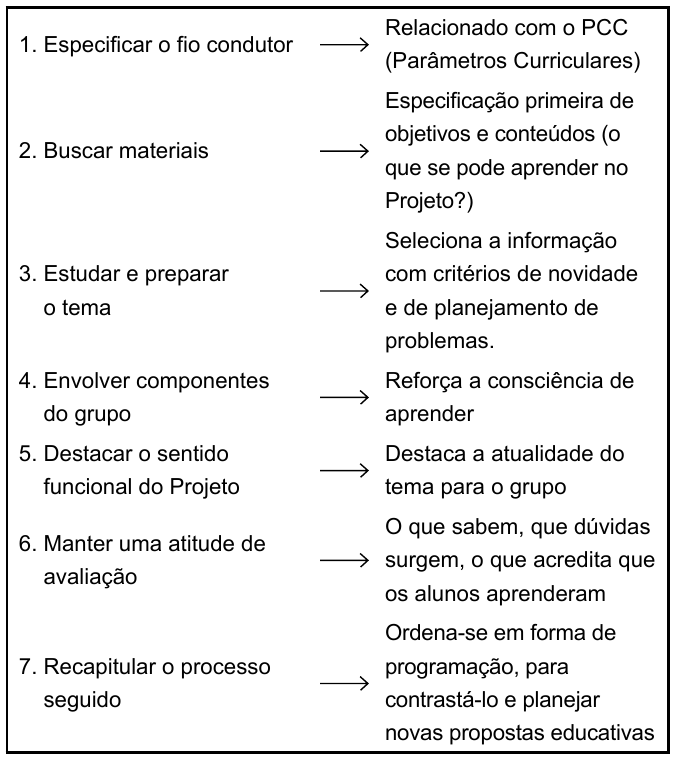
(Hernández; Ventura, 2017)
Para Hernández e Ventura (2017), dois aspectos essenciais que se plasmam nos projetos sãoResolução comentada
Análise das alternativas
Resolução comentada
Análise das alternativas
Resolução comentada
Análise das alternativas
Resolução comentada
Análise das alternativas
Resolução comentada
Análise das alternativas
Leia o texto para responder às questões de números 31 a 39.
The regional accentism that secretly affects life prospects
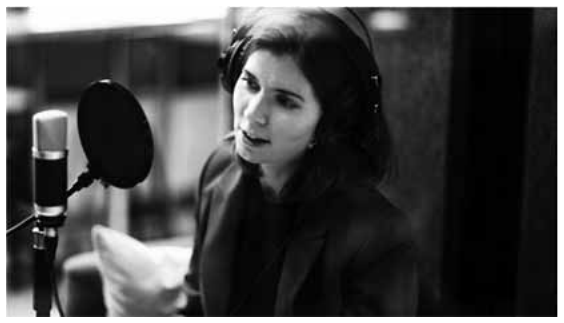
At age 22, Gav Murphy was living outside his home country Wales for the first time, working in his first job in media production in London. His South Wales Valleys accent was very thick, he recalls. He’d say ‘tha’ rather than ‘that’, for instance. He was perfectly understandable; yet a senior colleague overseeing his work insisted Murphy change his accent so all the broadcasters sounded uniform on air. The effects of adaptation were far-reaching. “It sort of broke my brain a little bit,” says Murphy. “I thought about literally every single thing I was saying, literally every time I was saying it. Moving to standard English was just laborious.”
Foreign-accent discrimination is rampant in professional settings. But discrimination can also extend to certain native speakers of a language, because of the judgements attached to particular accents. While many employers are becoming very sensitive to other types of bias, accent bias remains challenging to root out. But it doesn’t have to be this way.
While the cognitive shortcuts that contribute to accent bias may be universal, the degree of accent awareness and prejudice varies greatly. For instance, “The UK has a very, very fine-tuned system of accent prestige,” says Devyani Sharma, a sociolinguist at Queen Mary University of London. “It’s a combination of a very monolingual past, where English developed as a symbol of the nation, and the very acute social class hierarchy historically.” She adds that overt accent bias in the US is based more on race, whereas in the UK, it’s more tied to class.
In some cases, accent bias is directly related to government policy. Since the 1860s, the Japanese government has modernised the country with a focus on Tokyo, says Shigeko Kumagai, a linguist at Shizuoka University, Japan. “Thus, standard Japanese was established based on the speech of educated Tokyoites.” In contrast, the Tohoku dialect spoken in northern Japan became “the most stigmatised dialect in Japan”, says Kumagai. Its image is “rural, rustic, old, stubborn, narrow-minded, backward, poor, uneducated, etc”. Young women from Tohoku are often given discriminatory treatment that makes them feel ashamed of their accents.
Kumagai’s research shows that the strong stereotyping of the Tohoku dialect is perpetuated by the concentration of the media industry in the Japanese capital. Indeed, the world over, the media has an enormous impact on perceptions of accents. So we understand why the preponderance of UK broadcasters in London likely contributed to the marginalisation of Murphy’s Welsh accent.
(Christine Ro. www.bbc.com, 08.05.2022. Adaptado)
Teaching reading in English is not simply teaching the vocabulary or structures in a text. It means helping students develop reading skills and abilities, as well as establish a purpose for the readings they make.
One important reading ability is reading to grasp the gist of a text. As a teacher, you would then tell your students to go over the article “The regional accentism that secretly affects life prospects” in order to identify its main idea, which is summarized in alternative:
Leia o texto para responder às questões de números 31 a 39.
The regional accentism that secretly affects life prospects
At age 22, Gav Murphy was living outside his home country Wales for the first time, working in his first job in media production in London. His South Wales Valleys accent was very thick, he recalls. He’d say ‘tha’ rather than ‘that’, for instance. He was perfectly understandable; yet a senior colleague overseeing his work insisted Murphy change his accent so all the broadcasters sounded uniform on air. The effects of adaptation were far-reaching. “It sort of broke my brain a little bit,” says Murphy. “I thought about literally every single thing I was saying, literally every time I was saying it. Moving to standard English was just laborious.”
Foreign-accent discrimination is rampant in professional settings. But discrimination can also extend to certain native speakers of a language, because of the judgements attached to particular accents. While many employers are becoming very sensitive to other types of bias, accent bias remains challenging to root out. But it doesn’t have to be this way.
While the cognitive shortcuts that contribute to accent bias may be universal, the degree of accent awareness and prejudice varies greatly. For instance, “The UK has a very, very fine-tuned system of accent prestige,” says Devyani Sharma, a sociolinguist at Queen Mary University of London. “It’s a combination of a very monolingual past, where English developed as a symbol of the nation, and the very acute social class hierarchy historically.” She adds that overt accent bias in the US is based more on race, whereas in the UK, it’s more tied to class.
In some cases, accent bias is directly related to government policy. Since the 1860s, the Japanese government has modernised the country with a focus on Tokyo, says Shigeko Kumagai, a linguist at Shizuoka University, Japan. “Thus, standard Japanese was established based on the speech of educated Tokyoites.” In contrast, the Tohoku dialect spoken in northern Japan became “the most stigmatised dialect in Japan”, says Kumagai. Its image is “rural, rustic, old, stubborn, narrow-minded, backward, poor, uneducated, etc”. Young women from Tohoku are often given discriminatory treatment that makes them feel ashamed of their accents.
Kumagai’s research shows that the strong stereotyping of the Tohoku dialect is perpetuated by the concentration of the media industry in the Japanese capital. Indeed, the world over, the media has an enormous impact on perceptions of accents. So we understand why the preponderance of UK broadcasters in London likely contributed to the marginalisation of Murphy’s Welsh accent.
(Christine Ro. www.bbc.com, 08.05.2022. Adaptado)
Suppose that, while reading the article in greater detail, some students complain they have never been taught the phrasal verb “root out”. As you tell them to try and guess the meaning of the expression from clues in the context, you are helping them develop the coping strategy named
Leia o texto para responder às questões de números 31 a 39.
The regional accentism that secretly affects life prospects
At age 22, Gav Murphy was living outside his home country Wales for the first time, working in his first job in media production in London. His South Wales Valleys accent was very thick, he recalls. He’d say ‘tha’ rather than ‘that’, for instance. He was perfectly understandable; yet a senior colleague overseeing his work insisted Murphy change his accent so all the broadcasters sounded uniform on air. The effects of adaptation were far-reaching. “It sort of broke my brain a little bit,” says Murphy. “I thought about literally every single thing I was saying, literally every time I was saying it. Moving to standard English was just laborious.”
Foreign-accent discrimination is rampant in professional settings. But discrimination can also extend to certain native speakers of a language, because of the judgements attached to particular accents. While many employers are becoming very sensitive to other types of bias, accent bias remains challenging to root out. But it doesn’t have to be this way.
While the cognitive shortcuts that contribute to accent bias may be universal, the degree of accent awareness and prejudice varies greatly. For instance, “The UK has a very, very fine-tuned system of accent prestige,” says Devyani Sharma, a sociolinguist at Queen Mary University of London. “It’s a combination of a very monolingual past, where English developed as a symbol of the nation, and the very acute social class hierarchy historically.” She adds that overt accent bias in the US is based more on race, whereas in the UK, it’s more tied to class.
In some cases, accent bias is directly related to government policy. Since the 1860s, the Japanese government has modernised the country with a focus on Tokyo, says Shigeko Kumagai, a linguist at Shizuoka University, Japan. “Thus, standard Japanese was established based on the speech of educated Tokyoites.” In contrast, the Tohoku dialect spoken in northern Japan became “the most stigmatised dialect in Japan”, says Kumagai. Its image is “rural, rustic, old, stubborn, narrow-minded, backward, poor, uneducated, etc”. Young women from Tohoku are often given discriminatory treatment that makes them feel ashamed of their accents.
Kumagai’s research shows that the strong stereotyping of the Tohoku dialect is perpetuated by the concentration of the media industry in the Japanese capital. Indeed, the world over, the media has an enormous impact on perceptions of accents. So we understand why the preponderance of UK broadcasters in London likely contributed to the marginalisation of Murphy’s Welsh accent.
(Christine Ro. www.bbc.com, 08.05.2022. Adaptado)
In the context of the second paragraph, the phasal verb “root out” means
Leia o texto para responder às questões de números 31 a 39.
The regional accentism that secretly affects life prospects
At age 22, Gav Murphy was living outside his home country Wales for the first time, working in his first job in media production in London. His South Wales Valleys accent was very thick, he recalls. He’d say ‘tha’ rather than ‘that’, for instance. He was perfectly understandable; yet a senior colleague overseeing his work insisted Murphy change his accent so all the broadcasters sounded uniform on air. The effects of adaptation were far-reaching. “It sort of broke my brain a little bit,” says Murphy. “I thought about literally every single thing I was saying, literally every time I was saying it. Moving to standard English was just laborious.”
Foreign-accent discrimination is rampant in professional settings. But discrimination can also extend to certain native speakers of a language, because of the judgements attached to particular accents. While many employers are becoming very sensitive to other types of bias, accent bias remains challenging to root out. But it doesn’t have to be this way.
While the cognitive shortcuts that contribute to accent bias may be universal, the degree of accent awareness and prejudice varies greatly. For instance, “The UK has a very, very fine-tuned system of accent prestige,” says Devyani Sharma, a sociolinguist at Queen Mary University of London. “It’s a combination of a very monolingual past, where English developed as a symbol of the nation, and the very acute social class hierarchy historically.” She adds that overt accent bias in the US is based more on race, whereas in the UK, it’s more tied to class.
In some cases, accent bias is directly related to government policy. Since the 1860s, the Japanese government has modernised the country with a focus on Tokyo, says Shigeko Kumagai, a linguist at Shizuoka University, Japan. “Thus, standard Japanese was established based on the speech of educated Tokyoites.” In contrast, the Tohoku dialect spoken in northern Japan became “the most stigmatised dialect in Japan”, says Kumagai. Its image is “rural, rustic, old, stubborn, narrow-minded, backward, poor, uneducated, etc”. Young women from Tohoku are often given discriminatory treatment that makes them feel ashamed of their accents.
Kumagai’s research shows that the strong stereotyping of the Tohoku dialect is perpetuated by the concentration of the media industry in the Japanese capital. Indeed, the world over, the media has an enormous impact on perceptions of accents. So we understand why the preponderance of UK broadcasters in London likely contributed to the marginalisation of Murphy’s Welsh accent.
(Christine Ro. www.bbc.com, 08.05.2022. Adaptado)
The first paragraph describes Guv Murphy’s Welsh accent as “perfectly understandable” by speakers of the British varieties.
Similarly, the use of English as an international language has as one of its main features
Leia o texto para responder às questões de números 31 a 39.
The regional accentism that secretly affects life prospects
At age 22, Gav Murphy was living outside his home country Wales for the first time, working in his first job in media production in London. His South Wales Valleys accent was very thick, he recalls. He’d say ‘tha’ rather than ‘that’, for instance. He was perfectly understandable; yet a senior colleague overseeing his work insisted Murphy change his accent so all the broadcasters sounded uniform on air. The effects of adaptation were far-reaching. “It sort of broke my brain a little bit,” says Murphy. “I thought about literally every single thing I was saying, literally every time I was saying it. Moving to standard English was just laborious.”
Foreign-accent discrimination is rampant in professional settings. But discrimination can also extend to certain native speakers of a language, because of the judgements attached to particular accents. While many employers are becoming very sensitive to other types of bias, accent bias remains challenging to root out. But it doesn’t have to be this way.
While the cognitive shortcuts that contribute to accent bias may be universal, the degree of accent awareness and prejudice varies greatly. For instance, “The UK has a very, very fine-tuned system of accent prestige,” says Devyani Sharma, a sociolinguist at Queen Mary University of London. “It’s a combination of a very monolingual past, where English developed as a symbol of the nation, and the very acute social class hierarchy historically.” She adds that overt accent bias in the US is based more on race, whereas in the UK, it’s more tied to class.
In some cases, accent bias is directly related to government policy. Since the 1860s, the Japanese government has modernised the country with a focus on Tokyo, says Shigeko Kumagai, a linguist at Shizuoka University, Japan. “Thus, standard Japanese was established based on the speech of educated Tokyoites.” In contrast, the Tohoku dialect spoken in northern Japan became “the most stigmatised dialect in Japan”, says Kumagai. Its image is “rural, rustic, old, stubborn, narrow-minded, backward, poor, uneducated, etc”. Young women from Tohoku are often given discriminatory treatment that makes them feel ashamed of their accents.
Kumagai’s research shows that the strong stereotyping of the Tohoku dialect is perpetuated by the concentration of the media industry in the Japanese capital. Indeed, the world over, the media has an enormous impact on perceptions of accents. So we understand why the preponderance of UK broadcasters in London likely contributed to the marginalisation of Murphy’s Welsh accent.
(Christine Ro. www.bbc.com, 08.05.2022. Adaptado)
Mark the alternative with a word from the first paragraph containing a voiced “th” sound.
Leia o texto para responder às questões de números 31 a 39.
The regional accentism that secretly affects life prospects
At age 22, Gav Murphy was living outside his home country Wales for the first time, working in his first job in media production in London. His South Wales Valleys accent was very thick, he recalls. He’d say ‘tha’ rather than ‘that’, for instance. He was perfectly understandable; yet a senior colleague overseeing his work insisted Murphy change his accent so all the broadcasters sounded uniform on air. The effects of adaptation were far-reaching. “It sort of broke my brain a little bit,” says Murphy. “I thought about literally every single thing I was saying, literally every time I was saying it. Moving to standard English was just laborious.”
Foreign-accent discrimination is rampant in professional settings. But discrimination can also extend to certain native speakers of a language, because of the judgements attached to particular accents. While many employers are becoming very sensitive to other types of bias, accent bias remains challenging to root out. But it doesn’t have to be this way.
While the cognitive shortcuts that contribute to accent bias may be universal, the degree of accent awareness and prejudice varies greatly. For instance, “The UK has a very, very fine-tuned system of accent prestige,” says Devyani Sharma, a sociolinguist at Queen Mary University of London. “It’s a combination of a very monolingual past, where English developed as a symbol of the nation, and the very acute social class hierarchy historically.” She adds that overt accent bias in the US is based more on race, whereas in the UK, it’s more tied to class.
In some cases, accent bias is directly related to government policy. Since the 1860s, the Japanese government has modernised the country with a focus on Tokyo, says Shigeko Kumagai, a linguist at Shizuoka University, Japan. “Thus, standard Japanese was established based on the speech of educated Tokyoites.” In contrast, the Tohoku dialect spoken in northern Japan became “the most stigmatised dialect in Japan”, says Kumagai. Its image is “rural, rustic, old, stubborn, narrow-minded, backward, poor, uneducated, etc”. Young women from Tohoku are often given discriminatory treatment that makes them feel ashamed of their accents.
Kumagai’s research shows that the strong stereotyping of the Tohoku dialect is perpetuated by the concentration of the media industry in the Japanese capital. Indeed, the world over, the media has an enormous impact on perceptions of accents. So we understand why the preponderance of UK broadcasters in London likely contributed to the marginalisation of Murphy’s Welsh accent.
(Christine Ro. www.bbc.com, 08.05.2022. Adaptado)
The word “standard” is used in the text to refer to
Leia o texto para responder às questões de números 31 a 39.
The regional accentism that secretly affects life prospects
At age 22, Gav Murphy was living outside his home country Wales for the first time, working in his first job in media production in London. His South Wales Valleys accent was very thick, he recalls. He’d say ‘tha’ rather than ‘that’, for instance. He was perfectly understandable; yet a senior colleague overseeing his work insisted Murphy change his accent so all the broadcasters sounded uniform on air. The effects of adaptation were far-reaching. “It sort of broke my brain a little bit,” says Murphy. “I thought about literally every single thing I was saying, literally every time I was saying it. Moving to standard English was just laborious.”
Foreign-accent discrimination is rampant in professional settings. But discrimination can also extend to certain native speakers of a language, because of the judgements attached to particular accents. While many employers are becoming very sensitive to other types of bias, accent bias remains challenging to root out. But it doesn’t have to be this way.
While the cognitive shortcuts that contribute to accent bias may be universal, the degree of accent awareness and prejudice varies greatly. For instance, “The UK has a very, very fine-tuned system of accent prestige,” says Devyani Sharma, a sociolinguist at Queen Mary University of London. “It’s a combination of a very monolingual past, where English developed as a symbol of the nation, and the very acute social class hierarchy historically.” She adds that overt accent bias in the US is based more on race, whereas in the UK, it’s more tied to class.
In some cases, accent bias is directly related to government policy. Since the 1860s, the Japanese government has modernised the country with a focus on Tokyo, says Shigeko Kumagai, a linguist at Shizuoka University, Japan. “Thus, standard Japanese was established based on the speech of educated Tokyoites.” In contrast, the Tohoku dialect spoken in northern Japan became “the most stigmatised dialect in Japan”, says Kumagai. Its image is “rural, rustic, old, stubborn, narrow-minded, backward, poor, uneducated, etc”. Young women from Tohoku are often given discriminatory treatment that makes them feel ashamed of their accents.
Kumagai’s research shows that the strong stereotyping of the Tohoku dialect is perpetuated by the concentration of the media industry in the Japanese capital. Indeed, the world over, the media has an enormous impact on perceptions of accents. So we understand why the preponderance of UK broadcasters in London likely contributed to the marginalisation of Murphy’s Welsh accent.
(Christine Ro. www.bbc.com, 08.05.2022. Adaptado)
Leia o texto para responder às questões de números 31 a 39.
The regional accentism that secretly affects life prospects
At age 22, Gav Murphy was living outside his home country Wales for the first time, working in his first job in media production in London. His South Wales Valleys accent was very thick, he recalls. He’d say ‘tha’ rather than ‘that’, for instance. He was perfectly understandable; yet a senior colleague overseeing his work insisted Murphy change his accent so all the broadcasters sounded uniform on air. The effects of adaptation were far-reaching. “It sort of broke my brain a little bit,” says Murphy. “I thought about literally every single thing I was saying, literally every time I was saying it. Moving to standard English was just laborious.”
Foreign-accent discrimination is rampant in professional settings. But discrimination can also extend to certain native speakers of a language, because of the judgements attached to particular accents. While many employers are becoming very sensitive to other types of bias, accent bias remains challenging to root out. But it doesn’t have to be this way.
While the cognitive shortcuts that contribute to accent bias may be universal, the degree of accent awareness and prejudice varies greatly. For instance, “The UK has a very, very fine-tuned system of accent prestige,” says Devyani Sharma, a sociolinguist at Queen Mary University of London. “It’s a combination of a very monolingual past, where English developed as a symbol of the nation, and the very acute social class hierarchy historically.” She adds that overt accent bias in the US is based more on race, whereas in the UK, it’s more tied to class.
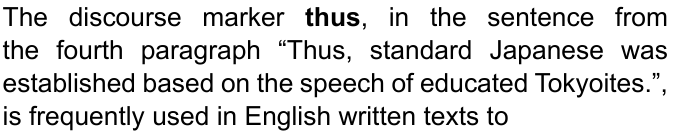
In some cases, accent bias is directly related to government policy. Since the 1860s, the Japanese government has modernised the country with a focus on Tokyo, says Shigeko Kumagai, a linguist at Shizuoka University, Japan. “Thus, standard Japanese was established based on the speech of educated Tokyoites.” In contrast, the Tohoku dialect spoken in northern Japan became “the most stigmatised dialect in Japan”, says Kumagai. Its image is “rural, rustic, old, stubborn, narrow-minded, backward, poor, uneducated, etc”. Young women from Tohoku are often given discriminatory treatment that makes them feel ashamed of their accents.
Kumagai’s research shows that the strong stereotyping of the Tohoku dialect is perpetuated by the concentration of the media industry in the Japanese capital. Indeed, the world over, the media has an enormous impact on perceptions of accents. So we understand why the preponderance of UK broadcasters in London likely contributed to the marginalisation of Murphy’s Welsh accent.
(Christine Ro. www.bbc.com, 08.05.2022. Adaptado)
The sentence from the fourth paragraph “Young women from Tohoku are often given discriminatory treatment that makes them feel ashamed of their accents” illustrates a particular use of the passive voice in English, one in which the indirect object in the active voice is the subject in the passive sentence. A similar passive construction is found in alternative:
Leia o texto para responder às questões de números 31 a 39.
The regional accentism that secretly affects life prospects
At age 22, Gav Murphy was living outside his home country Wales for the first time, working in his first job in media production in London. His South Wales Valleys accent was very thick, he recalls. He’d say ‘tha’ rather than ‘that’, for instance. He was perfectly understandable; yet a senior colleague overseeing his work insisted Murphy change his accent so all the broadcasters sounded uniform on air. The effects of adaptation were far-reaching. “It sort of broke my brain a little bit,” says Murphy. “I thought about literally every single thing I was saying, literally every time I was saying it. Moving to standard English was just laborious.”
Foreign-accent discrimination is rampant in professional settings. But discrimination can also extend to certain native speakers of a language, because of the judgements attached to particular accents. While many employers are becoming very sensitive to other types of bias, accent bias remains challenging to root out. But it doesn’t have to be this way.
While the cognitive shortcuts that contribute to accent bias may be universal, the degree of accent awareness and prejudice varies greatly. For instance, “The UK has a very, very fine-tuned system of accent prestige,” says Devyani Sharma, a sociolinguist at Queen Mary University of London. “It’s a combination of a very monolingual past, where English developed as a symbol of the nation, and the very acute social class hierarchy historically.” She adds that overt accent bias in the US is based more on race, whereas in the UK, it’s more tied to class.
In some cases, accent bias is directly related to government policy. Since the 1860s, the Japanese government has modernised the country with a focus on Tokyo, says Shigeko Kumagai, a linguist at Shizuoka University, Japan. “Thus, standard Japanese was established based on the speech of educated Tokyoites.” In contrast, the Tohoku dialect spoken in northern Japan became “the most stigmatised dialect in Japan”, says Kumagai. Its image is “rural, rustic, old, stubborn, narrow-minded, backward, poor, uneducated, etc”. Young women from Tohoku are often given discriminatory treatment that makes them feel ashamed of their accents.
Kumagai’s research shows that the strong stereotyping of the Tohoku dialect is perpetuated by the concentration of the media industry in the Japanese capital. Indeed, the world over, the media has an enormous impact on perceptions of accents. So we understand why the preponderance of UK broadcasters in London likely contributed to the marginalisation of Murphy’s Welsh accent.
(Christine Ro. www.bbc.com, 08.05.2022. Adaptado)
As a teacher, you wish your students could develop their abilities in critical reading by confronting the content in the text to the reality of Brazilian speakers of Portuguese. You would then provoke them to

(www.newyorker.com. Adaptado)
Mark the alternative containing a correct direct question:
A professora Celeste é conhecida por aplicar provas difíceis e reprovar muitos alunos. Parte da comunidade escolar considera que ela é uma excelente professora porque transmite conteúdo denso e extenso e poucos conseguem aprovação. O caso da professora Celeste virou tema dos momentos de formação continuada na escola. Nos escritos de Libâneo (2013), o grupo de professores da escola leu que o entendimento correto de avaliação consiste em
A educação escolar na contemporaneidade apresenta um conjunto de desafios, dentre eles, a construção de um processo de democratização da gestão escolar. Sobre essa questão, Naura Ferreira (2013) estabelece uma relação entre a administração da educação e as políticas de formação dos profissionais. Para a autora, a formação dos profissionais para uma gestão escolar democrática relaciona-se diretamente com
“Qual a função social da escola em um contexto de pandemia e isolamento social? Como garantir o direito à educação de todos, considerando as pessoas com deficiência? Como garantir o direito à educação de todos, considerando as pessoas em maior vulnerabilidade social e econômica, em um modelo que se vale das TIC’S, às quais nem todos têm acesso? O modelo escolar que temos já se esgotou e a pandemia só deixou isso mais evidente? Quais e como têm sido utilizadas as TIC’S?”. Discutindo o modelo e o funcionamento da escola durante e pós pandemia, Alcântara (2022) compreende que a resposta às indagações anteriores exige uma reflexão sobre
“Alguns alunos fracassam porque não têm dom para estudar”
No entendimento de Hernández e Ventura (2017), o ponto de partida para a definição de um projeto de trabalho é a escolha do tema. Como demonstrado no quadro a seguir, os autores sintetizam possíveis atividades do docente após a escolha do projeto.
Ao refletir sobre o projeto político-pedagógico, Anna Rosa Santiago (In: Veiga, 1996) discorre sobre a crise de paradigmas impulsora de mudanças na educação e na escola. Um dos aspectos da crise refere-se à superação de um modelo de organização do trabalho docente que escamoteou do professor o papel de
Os programas de formação inicial e continuada dos profissionais da educação, vinculados às orientações das Diretrizes Curriculares Nacionais Gerais para a Educação Básica (Resolução CNE/CEB nº 04/2010), devem prepará-los para o desempenho de suas atribuições, considerando necessário, de acordo com o artigo 57, § 2º da referida resolução,
De acordo com Ropoli (2010), “A educação inclusiva questiona a artificialidade das identidades normais e entende as diferenças como resultantes da multiplicidade, e não da diversidade, como comumente se proclama. Trata-se de uma educação que garante o direito à diferença e não à diversidade, pois assegurar o direito à diversidade é continuar na mesma, ou seja, é seguir reafirmando o idêntico”. Com relação ao tema, a Lei Federal nº 9.394/96 (Estabelece as Diretrizes e Bases da Educação Nacional), em seu artigo 58, § 3º, prevê que a oferta de educação especial tem início
O artigo 212 da Constituição Federal de 1988 estabelece que a União aplicará, anualmente, nunca menos de dezoito, e os Estados, o Distrito Federal e os Municípios vinte e cinco por cento, no mínimo, da receita resultante de impostos, compreendida a proveniente de transferências, na manutenção e desenvolvimento do ensino. Para fins de distribuição, o artigo 212-A, III prevê que os recursos serão distribuídos entre cada Estado e seus Municípios, proporcionalmente
A Lei Federal nº 8.069/1990 (Estatuto da Criança e do Adolescente), em seu artigo 4º, afirma que é dever da família, da comunidade, da sociedade em geral e do poder público assegurar, com absoluta prioridade, a efetivação dos direitos referentes à vida, à saúde, à alimentação, à educação, ao esporte, ao lazer, à profissionalização, à cultura, à dignidade, ao respeito, à liberdade e à convivência familiar e comunitária. Conforme artigo 17 do mesmo diploma legal, o direito ao respeito abrange
Texto-base:
Texto-base:
Texto-base:
Texto-base:
Texto-base:
Texto-base:
Texto-base:
Texto-base:
Texto-base:
Read the cartoon.